Introduction
The development of luxury property in Asia has transformed the real estate landscape over the past two decades. From towering skyscrapers in Hong Kong to lavish villas in Bali, Asia’s luxury property sector reflects rapid urbanization, increasing wealth, and evolving lifestyles. Investors, both local and international, are drawn to the region for its unique combination of cultural richness, economic growth, and high-end amenities. This article delves into the trends, drivers, and opportunities shaping the luxury property market in Asia today.
Key Drivers of Luxury Property Growth in Asia
Asia’s luxury property sector is influenced by multiple interconnected factors. Understanding these drivers helps investors and developers navigate the market efficiently.
Economic Growth and Wealth Accumulation
Rapid economic growth in countries such as China, Singapore, and India has created a new class of high-net-worth individuals. As disposable incomes rise, so does the demand for premium homes that reflect status, comfort, and exclusivity. This wealth accumulation directly fuels the growth of luxury residential and commercial properties.
Urbanization and Lifestyle Changes
Asian cities are expanding at an unprecedented pace. Urban centers like Bangkok, Kuala Lumpur, and Shanghai are experiencing increased demand for high-end residences equipped with state-of-the-art facilities. Lifestyle changes, including preferences for wellness, sustainability, and smart-home technology, are reshaping luxury property design and offerings.
Foreign Investment and Globalization
Asia has become a hotspot for global investors seeking high returns in luxury real estate. Government policies encouraging foreign property ownership, coupled with attractive investment incentives, have opened doors for international buyers. Cities such as Singapore and Dubai-linked hubs in Asia attract investors seeking safe, high-value properties.
Regional Hotspots for Luxury Property
Asia is diverse, and the luxury property market varies greatly by region.

China – The Rise of Mega-Cities
Cities like Shanghai, Beijing, and Shenzhen lead China’s luxury property market. The demand here is driven by wealthy entrepreneurs, multinational executives, and celebrities. Premium properties often feature advanced security, smart home systems, and designer interiors.
Singapore – The Global Investment Hub
Singapore is a prime destination for luxury property due to its political stability, strong legal system, and cosmopolitan lifestyle. High-end condominiums and penthouses in central districts attract both local tycoons and international investors, making it a highly liquid market.
Southeast Asia – Lifestyle and Resorts
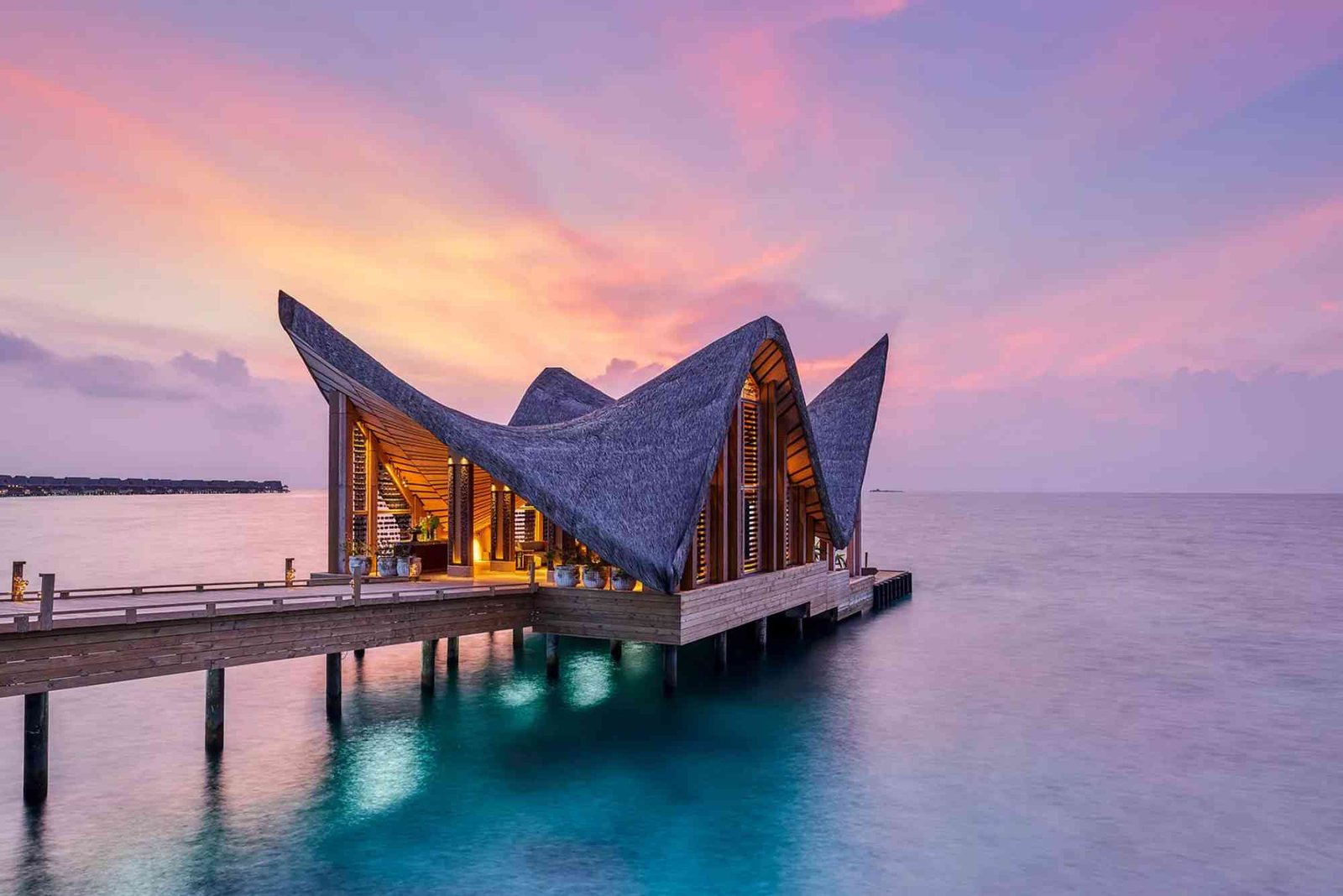
Countries like Thailand, Indonesia, and Vietnam offer a different appeal. Here, luxury properties are often linked to lifestyle, wellness, and resorts. Bali, Phuket, and Da Nang have become famous for beachfront villas, private estates, and eco-friendly developments. The focus is on exclusive experiences rather than just urban prestige.
Japan – Blending Tradition with Modern Luxury
Tokyo and Kyoto exemplify luxury properties that combine traditional aesthetics with modern technology. High-end residences often integrate minimalist designs, cutting-edge amenities, and cultural touches, catering to buyers who value both comfort and heritage.
Trends Shaping Luxury Property Development
Understanding current trends is crucial for investors and developers.
Smart Homes and Technology Integration
Luxury buyers increasingly demand smart homes equipped with automated security systems, climate control, energy management, and AI-driven appliances. Developers are responding by incorporating high-tech features without compromising aesthetics.
Sustainability and Eco-Friendly Design
Environmental consciousness is influencing luxury property design in Asia. Sustainable materials, green building certifications, and energy-efficient systems are becoming standard expectations for premium buyers. This trend is particularly strong in urban developments where environmental concerns intersect with lifestyle demands.
Wellness and Lifestyle Amenities
Fitness centers, spas, yoga studios, rooftop gardens, and private clubs are now essential features in luxury developments. Buyers are no longer just purchasing a home—they are investing in a lifestyle centered around health, comfort, and leisure.
Cultural and Experiential Luxury
Properties that offer cultural or experiential value—such as historical architecture, art collections, or curated experiences—are gaining attention. This approach differentiates high-end developments in competitive markets and appeals to buyers seeking exclusivity beyond material wealth.
Investment Insights for Luxury Property Buyers
Investing in luxury property in Asia requires careful market analysis and strategic planning.
Market Research and Location
Location remains the most critical factor. Prime urban areas, waterfront properties, and resort destinations command higher returns. Thorough market research helps identify emerging hotspots with growth potential.
Government Policies and Regulations
Investors should pay attention to local laws on foreign property ownership, taxes, and development regulations. Compliance ensures smooth transactions and protects investment value over time.
Long-Term Value and Liquidity
Luxury properties are not only status symbols but also investment assets. Choosing developments with strong resale potential, high-quality construction, and reputable developers ensures both appreciation and liquidity in the market.
Partnering with Trusted Developers
Working with experienced developers and real estate agencies reduces risk and provides access to exclusive listings. Established developers understand buyer expectations and can deliver properties that meet high standards.
Challenges in the Asian Luxury Property Market
While opportunities abound, investors must navigate challenges.
Economic Fluctuations
Luxury property markets are sensitive to economic cycles. Market downturns, inflation, or geopolitical tensions can impact property values, especially in cities heavily reliant on foreign investment.
Oversupply in Key Cities
In some urban areas, rapid development has led to oversupply, creating pricing pressure. Strategic research is necessary to avoid markets where supply exceeds demand.
Cultural and Legal Differences
Asia’s diversity means that legal frameworks, business customs, and cultural preferences vary significantly. International investors must seek local expertise to navigate these differences successfully.
The future of luxury property in Asia looks promising. Urbanization will continue, wealth will grow, and technological innovations will redefine luxury living. Sustainable and experience-focused properties are expected to dominate the market, appealing to a generation of buyers who value exclusivity, lifestyle, and long-term investment value.
The development of luxury property in Asia reflects broader economic, social, and technological trends. From urban skyscrapers to resort villas, the market continues to evolve, offering exciting opportunities for investors and developers alike. Whether seeking status, lifestyle, or long-term value, luxury property in Asia remains a compelling investment choice.
FAQs
Which Asian cities are best for luxury property investment?
Top cities include Singapore, Hong Kong, Shanghai, Tokyo, and Bali, offering high demand, strong returns, and unique lifestyle experiences.
What drives the growth of luxury property in Asia?
Key drivers include economic growth, rising wealth, urbanization, lifestyle changes, and foreign investment.
Are smart homes common in Asian luxury properties?
Yes, technology integration such as automated systems, AI appliances, and smart security is increasingly standard in high-end developments.
How important is sustainability in luxury property design?
Very important. Buyers now expect eco-friendly materials, energy-efficient systems, and green building certifications in luxury developments.
Can foreigners buy luxury property in Asia?
Policies vary by country. Nations like Singapore, Thailand, and Indonesia allow foreign ownership under specific regulations, while others have restrictions.
Property Investment Trends That Are Rising: Property investment is evolving rapidly as investors shift toward sustainable and tech-driven developments. Urban regeneration projects, smart homes, and mixed-use spaces are gaining popularity. Additionally, short-term rental markets and green buildings are attracting attention, reflecting a trend where profitability meets innovation and environmental responsibility.