Pendahuluan
In today’s fast-paced world, reaching for instant food has become a daily habit for many. Whether you’re juggling work, studies, family responsibilities, or social life, convenience often wins over lengthy meal preparation. But that convenience sometimes comes at the cost of nutrition. The good news? With the right strategies, you can enjoy instant meals while still supporting your health goals.
This article dives deep into Instant Food: Tips for Healthier Consumption, offering practical, evidence-based advice to help you make better choices without sacrificing taste or convenience. Let’s explore how to transform your instant food habits for better energy, gut health, and overall well-being.
What Is Instant Food?
Instant food refers to meals or food products designed for quick preparation—often requiring minimal cooking or none at all. Think instant noodles, ready-to-eat soups, microwavable meals, meal kits, and breakfast bars. They are popular because they save time, reduce cleanup, and fit seamlessly into busy lifestyles.
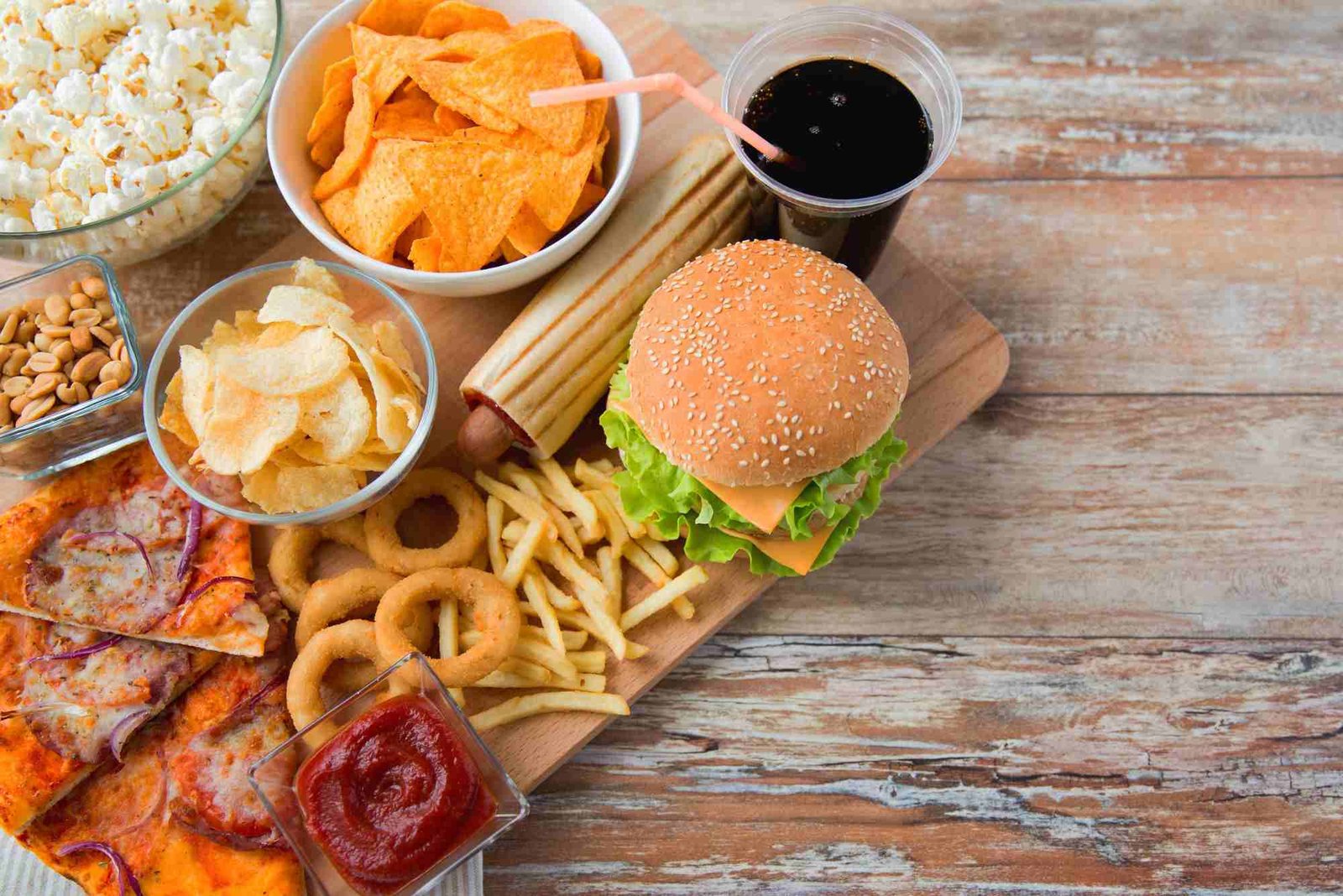
However, many instant foods are ultra‑processed and contain high levels of sodium, unhealthy fats, artificial additives, and refined carbohydrates. With awareness and targeted strategies, you can enjoy convenience without compromising your health.
Why Focus on Healthier Instant Food?
Eating healthier instant food isn’t just about limiting calories or cutting sodium. It’s about balancing convenience with nutrients that support:
- Blood sugar stability
- Heart health
- Digestion and gut microbiome
- Sustained energy throughout the day
- Weight management and satiety
If you often rely on instant meals, adopting smarter habits can help you avoid nutrient gaps and unwanted effects like fatigue, bloating, and cravings.

Smart Shopping for Instant Foods
Selecting the right products starts at the grocery store. These tips help you identify more nutritious options without trading away convenience.
Read Nutrition Labels Carefully
One of the most important tips for healthier instant food consumption is to become label‑savvy. Look for items with:
- Lower sodium content — Aim for 300mg or less per serving.
- Moderate calories — Especially if the product lacks fiber or protein.
- Higher fiber content — 3g+ per serving helps keep you full.
- Short ingredient lists — Fewer additives usually signal less processing.
Avoid products with trans fats, hydrogenated oils, and high‑fructose corn syrup.
Choose Whole‑Grain or Fiber‑Rich Varieties
Many instant meals (like noodles, rice mixes, and pasta cups) come in refined grain versions. When possible:
- Pick whole‑grain instant oats
- Choose brown rice or quinoa bowls
- Look for fiber‑fortified options
Fiber supports digestion and helps control blood sugar spikes—important when eating quick meals.
Prioritize Protein
Protein is essential for satiety, muscle maintenance, and overall metabolic health. Instant food can be low in protein, so pick items with:
- 10g+ protein per serving
- Plant‑based proteins like peas, beans, lentils
- Lean meats or seafood in ready‑to‑eat meals
You can also add protein to low‑protein options (we’ll cover tips later).
Upgrade Your Instant Meals
Even the best instant foods can be improved. These simple swaps and additions boost nutrition without much effort.
Add Fresh or Frozen Vegetables
Bulk up your instant meals with vegetables. Frozen veggies are a great choice—they’re affordable, nutritious, and easy to prepare.
Examples:
- Add spinach or kale to instant noodles
- Mix frozen peas and carrots into rice or pasta cups
- Top soups with broccoli florets or diced tomatoes
This increases fiber, vitamins, and minerals while lowering empty‑calorie density.
Include a Source of Healthy Fats
Healthy fats promote fullness and help your body absorb fat‑soluble vitamins. Add:
- A handful of nuts or seeds
- Avocado slices
- A drizzle of olive oil
- A spoonful of nut butter (great for instant oats)
Healthy fats can also improve the flavor and texture of instant meals.
Boost Protein With Quick Add‑Ins
Instant meals often lack sufficient protein, but you can fix that easily:
- Crack an egg into soups or ramen
- Add canned tuna, salmon, or beans
- Mix in Greek yogurt (great for instant oatmeal)
- Sprinkle cheese over rice or noodles
These small additions significantly enhance the nutritional profile.
Better Preparation Methods
Not all instant foods need to be microwaved or eaten straight from the package. How you prepare them matters.
Use Water Wisely
Some instant foods are high in sodium because of flavor packets. Instead of using the entire seasoning:
- Use half the seasoning packet
- Add herbs and spices like garlic powder, black pepper, or turmeric
- Dilute with extra water or broth
This reduces sodium while still delivering flavor.
Combine With Balanced Foods
Pair instant foods with healthier side dishes to create a full meal:
- Soup + salad
- Instant rice bowl + grilled chicken
- Instant oats + fruit and nuts
This balances macronutrients and makes meals more satisfying.
Preparation Timing Matters
Rather than eating instant food at the last minute, plan ahead:
- Reheat and plate instant food with fresh ingredients
- Prep veggies or proteins ahead of time for quick assembly
- Use multitasking: steam veggies while heating noodles
With a bit of scheduling, your meals will feel less rushed and more nourishing.
Portion Control and Eating Habits
It’s not just what you eat—how you eat matters.
Serve on a Plate
Eating straight from the container makes it easy to overconsume. Instead,:
- Transfer food to a plate or bowl
- Portion snacks into small bowls rather than eating from the bag
This helps you notice portions and eat mindfully.
Eat Slowly and Without Distractions
Eating while scrolling or working can lead to overeating. Practice mindful eating by:
- Chewing slowly
- Savoring flavors
- Noticing hunger and fullness cues
These habits reduce overeating—even with instant meals.
Track Your Intake Occasionally
Use a food diary or app to log your instant meals. Tracking helps you:
- Spot patterns in sodium, sugar, or calories
- Make thoughtful changes based on real data
- Set goals that fit your lifestyle
You don’t need to log every meal—just enough to stay aware.
Healthy Instant Food Ideas
Here are some quick options that are healthier and still convenient:
Instant Oatmeal Cups
Add:
- Fresh fruit (berries, banana slices)
- Chia or flax seeds
- A scoop of protein powder or Greek yogurt
Brown Rice or Quinoa Bowls
Top with:
- Steamed or thawed veggies
- Grilled chicken or tofu
- Drizzle of tahini or avocado
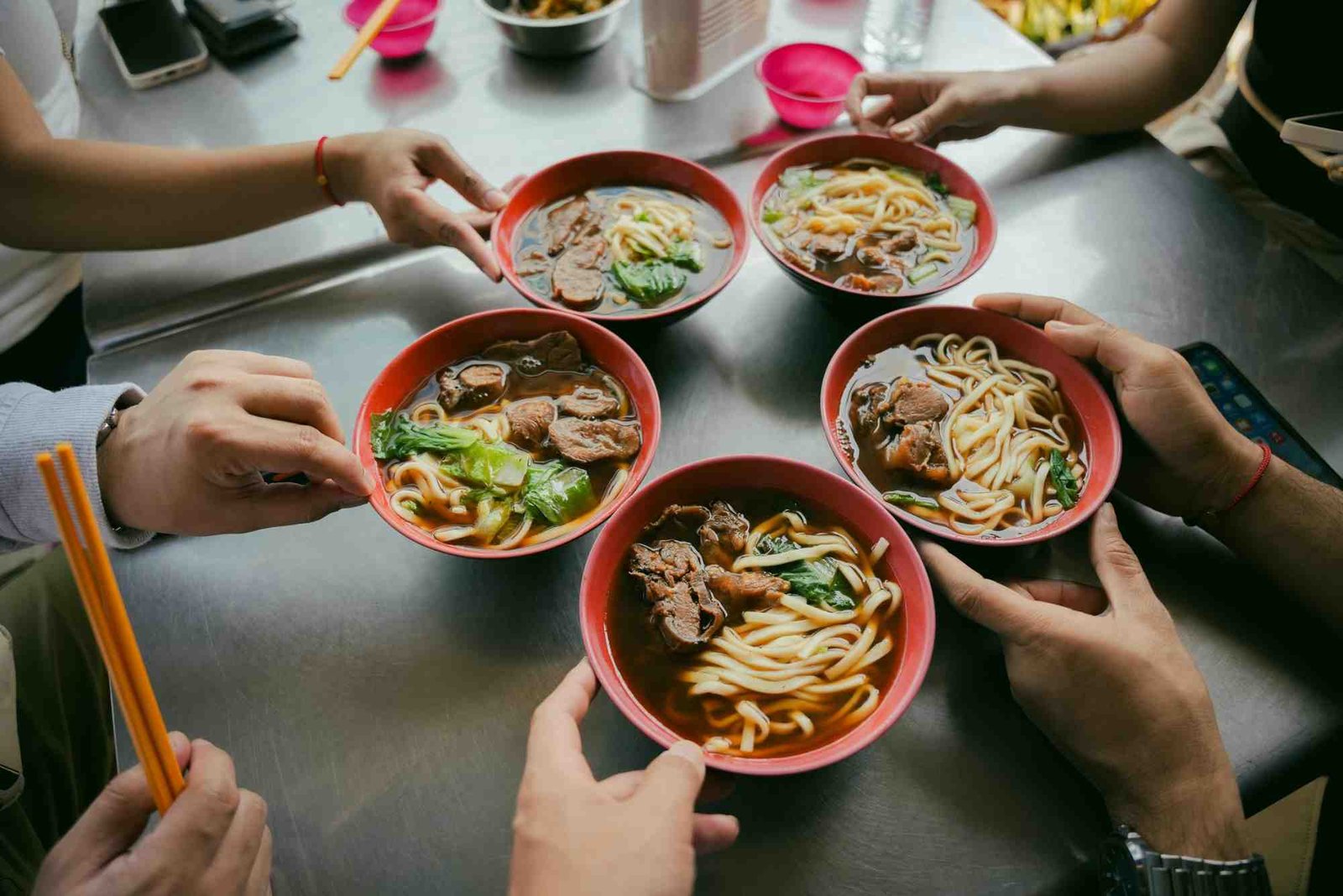
Instant Noodle Upgrades
Replace seasoning packets with:
- Low‑sodium broth
- Soy sauce and citrus juice
- Veggies and protein of choice
Whole Grain Wraps
Use whole grain instant wraps with:
- Hummus
- Veggies
- Turkey or beans
These options are easy to throw together and balanced in nutrients.
Understanding Nutrition Claims on Instant Foods
Instant foods often promote buzzwords like “low fat,” “high protein,” or “fortified.” But what do they really mean?
“Low Fat” ≠ Healthy
Low‑fat instant meals might still have:
- Lots of refined carbs
- High sodium
- Added sugars
Always check the full nutrition label.
“High Protein” Can Be Misleading
Some products label themselves high‑protein but contain:
- Small serving sizes
- Low biological value proteins
Choose products with complete proteins or combine plant sources.
“Fortified” Doesn’t Replace Whole Foods
Fortified nutrients (like added vitamins) can help fill gaps, but whole foods deliver:
- Fiber
- Antioxidants
- Phytonutrients
Always pair fortified products with real foods when possible.
Balancing Instant Food With Fresh Meals
Instant food can be part of a balanced diet—if you pair it with fresh, whole meals throughout the day.
- Breakfast: Instant oats with fruit
- Lunch: Grilled chicken salad
- Snack: Greek yogurt & berries
- Dinner: Upgraded instant rice bowl with veggies
This balance ensures you get essential nutrients from a variety of sources.
Convenience and health don’t have to be at odds. With the right strategies, Instant Food: Tips for Healthier Consumption becomes more than a phrase—it becomes a lifestyle. By choosing better products, enhancing instant meals with fresh ingredients, and adopting mindful eating habits, you can enjoy quick food that supports both your energy and your long‑term health.
Ready to make your instant meals healthier? Start with one tip from this guide today and notice the difference in how you feel and perform.
FAQs
Are instant foods bad for you?
Instant foods aren’t inherently bad, but many are high in sodium, fats, and refined carbs. With smart choices and upgrades, they can fit into a healthy diet.
How can I make instant noodles healthier?
Use low‑sodium broth, add vegetables and lean protein like eggs or tofu, and reduce or skip the seasoning packet.
Is instant oatmeal healthy?
Yes—especially when you choose plain versions and add fruits, seeds, and protein sources. Avoid flavored packets with added sugars.
What should I look for on instant food labels?
Check for lower sodium, higher fiber, moderate protein, short ingredient lists, and minimal additives.
Can instant food help with weight loss?
When chosen and prepared mindfully with balanced portions, instant food can support weight loss by controlling hunger and portion sizes.
Healthy Food for Children and Teenagers – Ensuring kids and teens eat nutritious meals is key for growth, energy, and focus. Include fruits, vegetables, whole grains, lean proteins, and dairy while limiting sugary snacks. Balanced meals support strong bones, a healthy immune system, and better learning, helping young bodies and minds thrive every day.