Introduction
Travel becomes more enjoyable when everything is well planned in advance. A practical travel itinerary helps you stay organized, save time, and reduce unnecessary stress during your trip. Whether you are planning a short weekend getaway or a long international journey, a clear plan can make a big difference.
Understanding how to prepare a practical travel itinerary is an essential skill for every traveler. It allows you to balance exploration and relaxation while avoiding confusion during the trip. A well-structured plan ensures that you get the most out of your journey without feeling overwhelmed.
In this guide, you will learn step-by-step how to create an effective travel plan. We will cover research, scheduling, budgeting, and flexibility, all essential parts of a successful travel experience.
Understanding the Importance of a Travel Itinerary
A travel itinerary is more than just a schedule. It is a structured plan that outlines your entire journey. It includes destinations, activities, transportation, accommodation, and timing.
When you focus on how to prepare a practical travel itinerary, you gain better control over your trip. It helps avoid confusion and last-minute decisions that often lead to stress. Travelers who plan ahead usually enjoy smoother and more satisfying experiences.
A well-prepared itinerary also helps in managing time efficiently. Instead of wasting hours deciding what to do next, you can simply follow your plan. This makes your travel experience more productive and enjoyable.

Step One: Research Your Destination Thoroughly
The first step in how to prepare a practical travel itinerary is proper research. You need to understand your destination before planning activities.
Start by learning about popular attractions, local culture, weather conditions, and transportation options. This helps you decide what to include in your schedule.
Knowing the best time to visit certain places also plays an important role. Some destinations are more enjoyable during specific seasons. Research ensures that you avoid unnecessary surprises during your trip.
You should also explore local customs and traditions. This makes your travel experience more respectful and meaningful.
Step Two: Set a Clear Travel Goal
Every trip has a purpose. It may be relaxation, adventure, business, or cultural exploration. Defining your goal is a key part of how to prepare a practical travel itinerary.
When you know your purpose, it becomes easier to plan activities that match your expectations. For example, a relaxing trip will include more free time, while an adventure trip will include more outdoor activities.
Clear goals also help in prioritizing places you want to visit. This ensures that your itinerary remains focused and realistic.
Step Three: Plan Your Budget Wisely
Budgeting is an essential part of travel planning. Without a proper budget, even a well-planned trip can become stressful.
When learning how to prepare a practical travel itinerary, always estimate your total expenses first. This includes transportation, accommodation, food, entry tickets, and shopping.
A smart budget helps you avoid overspending and financial stress during your journey. It also allows you to make better decisions about where to stay and what to do.
Always keep some extra money aside for emergencies or unexpected expenses. This adds flexibility to your travel plan.
Step Four: Organize Your Daily Schedule
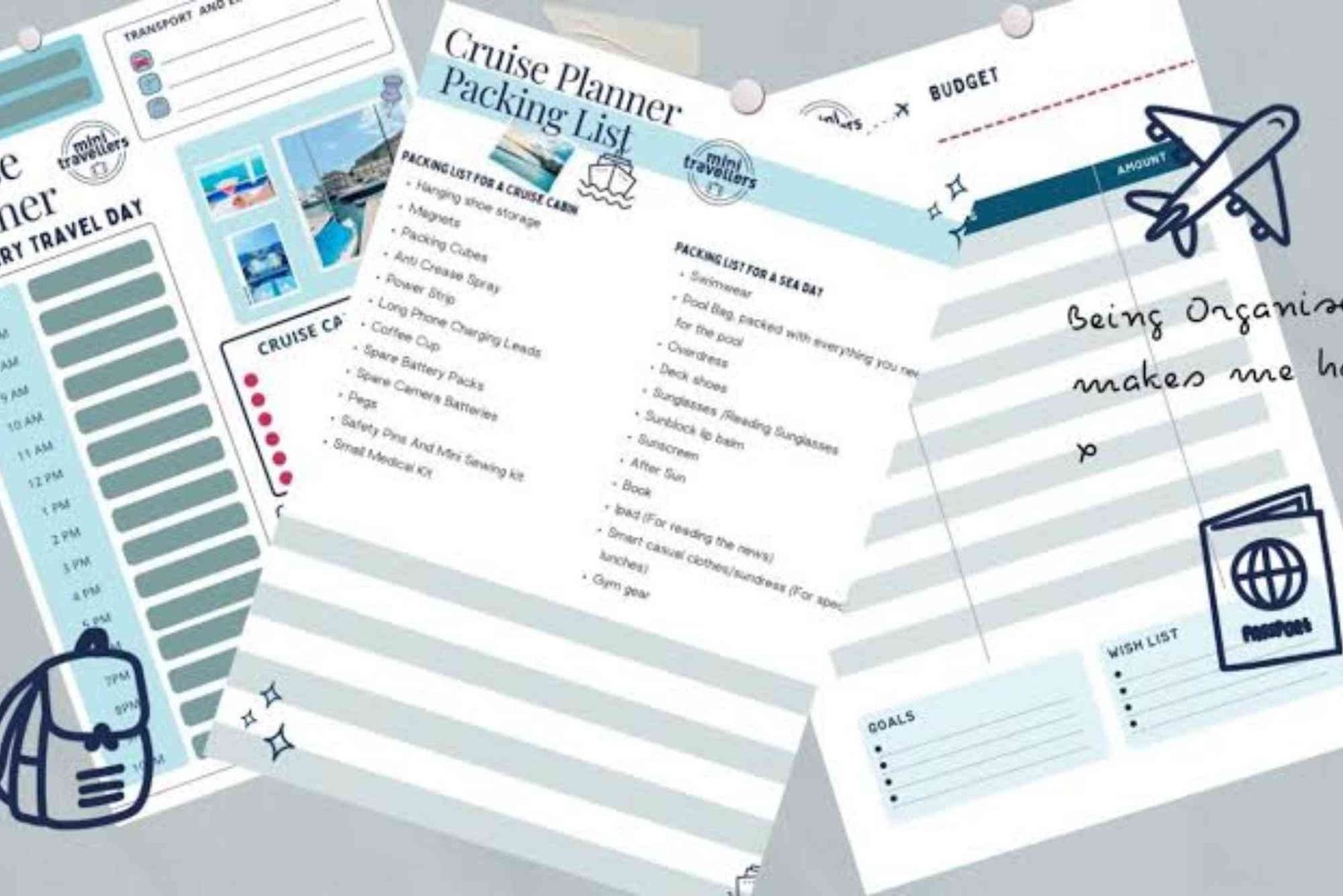
A travel itinerary becomes useful when it includes a clear daily plan. Divide your trip into days and assign activities accordingly.
When practicing how to prepare a practical travel itinerary, avoid overloading your schedule. Too many activities in one day can lead to exhaustion.
Balance your time between sightseeing and rest. Include breaks between activities to keep your energy level stable.
Make sure to prioritize important attractions early in the day. This helps avoid crowds and time limitations later.
Step Five: Choose Accommodation and Transport Carefully
Accommodation and transportation are two major parts of any trip. They directly affect your comfort and convenience.
While learning how to prepare a practical travel itinerary, always select accommodation based on location and budget. Staying closer to main attractions saves travel time and money.
Transportation should also be planned in advance. Check available options like buses, trains, or rental services. This helps you move easily between destinations.
Proper planning in this area ensures a smooth and hassle-free journey.
Step Six: Keep Flexibility in Your Plan
A perfect itinerary is not a rigid one. Flexibility is a key element of how to prepare a practical travel itinerary.
Unexpected situations like weather changes or delays can happen anytime. A flexible plan allows you to adjust without stress.
Avoid scheduling every minute of your trip. Leave space for spontaneous experiences. Sometimes unplanned moments become the most memorable part of travel.
Flexibility also helps in discovering hidden gems that are not included in guidebooks.
Step Seven: Use Digital Tools for Better Planning
Technology makes travel planning easier than ever. Many apps and tools help you organize your itinerary efficiently.
When exploring how to prepare a practical travel itinerary, consider using travel planning apps. These tools help track bookings, map routes, and set reminders.
Digital maps can also help you understand distances between locations. This allows you to plan your day more realistically.
Using technology reduces confusion and keeps all your travel details in one place.
Step Eight: Prepare a Backup Plan
A smart traveler always has a backup plan. This is an important part of how to prepare a practical travel itinerary.
Backup plans help you deal with unexpected cancellations or changes. Always have alternative attractions or activities ready.
You should also keep copies of important documents like tickets and IDs. This ensures safety and quick access when needed.
Being prepared for unexpected situations makes your journey stress-free.
Step Nine: Pack According to Your Itinerary
Packing should always be based on your travel plan. What you pack depends on your destination, weather, and activities.
While learning how to prepare a practical travel itinerary, consider what you will need each day. Pack light but include essentials like clothing, chargers, and travel documents.
Avoid overpacking as it can make traveling difficult. A well-planned itinerary helps you pack more efficiently.
Step Ten: Review and Finalize Your Itinerary
Before starting your trip, review your entire plan carefully. Check timings, bookings, and routes.
This final step in how to prepare a practical travel itinerary ensures that everything is in order. It helps you avoid mistakes or missing details.
Make sure all reservations are confirmed and accessible. A final review gives you confidence before the journey begins.
Conclusion
Learning how to prepare a practical travel itinerary is the key to a smooth and enjoyable travel experience. A well-organized plan helps you save time, manage your budget, and reduce stress.
By following the steps above, you can create a travel plan that is both flexible and efficient. Whether you are a beginner or an experienced traveler, a practical itinerary will always improve your journey.
Start planning your next trip with confidence. Take control of your travel experience and make every moment meaningful. If you are ready to explore the world, begin by creating your own practical travel itinerary today.
FAQs
What is a travel itinerary and why is it important?
A travel itinerary is a detailed plan of your trip. It includes destinations, activities, and timings. It helps you stay organized and reduces travel stress.
How do I start preparing a travel itinerary?
Start by researching your destination, setting a goal, and creating a budget. Then plan daily activities and choose accommodation and transport.
How detailed should a travel itinerary be?
It should be detailed enough to guide your trip but flexible enough to allow changes. Avoid over-scheduling every hour.
Can I change my itinerary during the trip?
Yes, a good itinerary is flexible. You can adjust it based on weather, energy levels, or unexpected opportunities.
What tools can help in making a travel itinerary?
Travel apps, digital maps, and booking platforms can help organize your itinerary efficiently and keep all information in one place.
Taking a break from daily routines is essential for maintaining mental and physical health. One of the best ways to do this is by planning relaxing vacations in peaceful destinations. You can explore nature, enjoy calm beaches, or visit quiet mountain areas. These experiences help reduce stress and refresh your energy. Learn more about Travel trips that are suitable for relieving fatigue to discover the best options for your next restorative journey. Ideal for recharging yourself. very useful! Perfect for weekend getaways.!