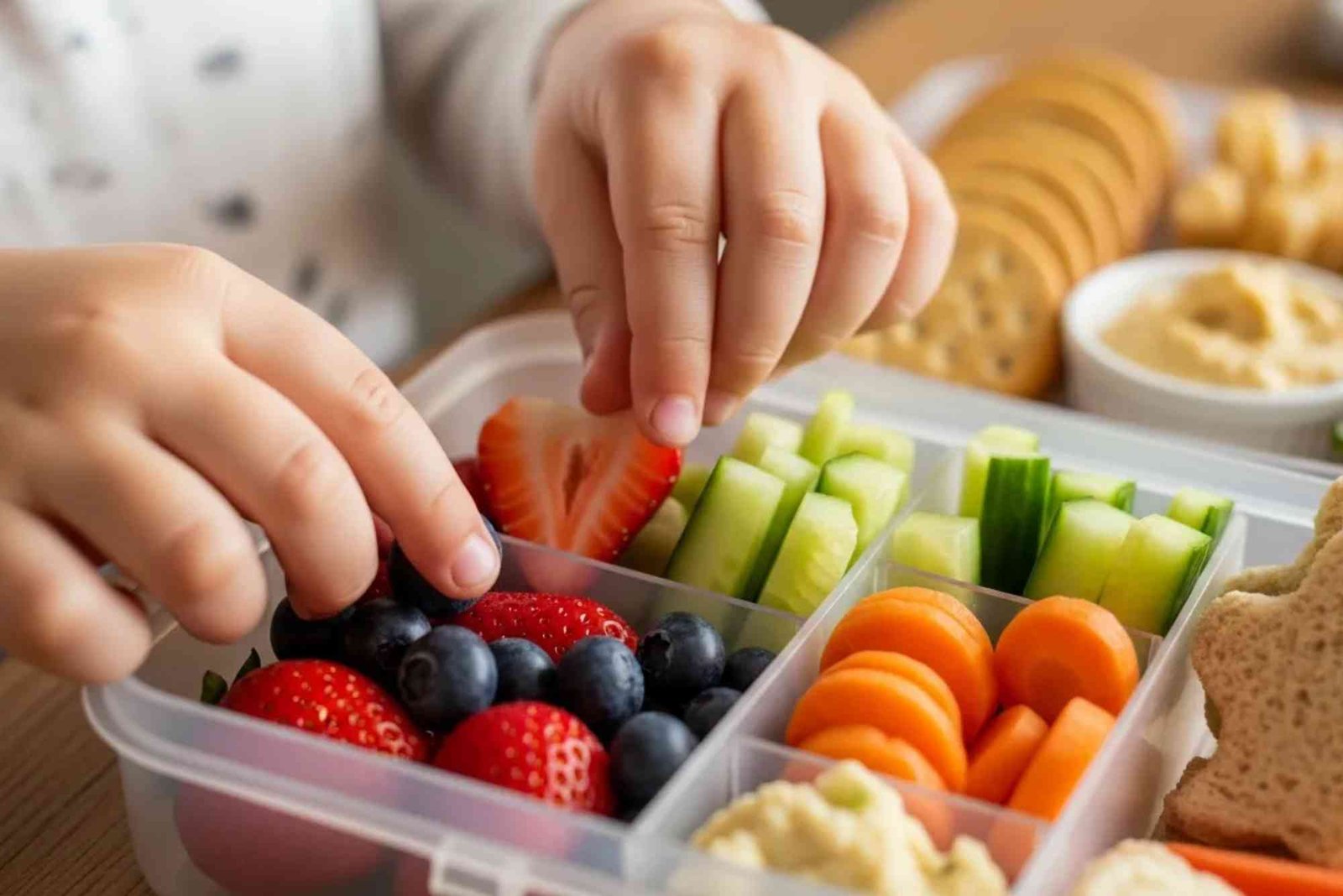
Ensuring your child eats well during school hours is essential for their growth, focus, and overall health. A thoughtfully packed lunchbox can make a huge difference in their energy levels, mood, and academic performance. When considering healthy lunchbox tips for school children, it is important to focus on balance, variety, and appeal. Children are more likely to eat meals that are colorful, fun, and easy to handle.
Understanding the Importance of a Healthy Lunchbox
A balanced lunch provides the nutrients children need for optimal growth and brain function. School-aged children require proteins for muscle development, carbohydrates for energy, vitamins, and minerals for immunity, and healthy fats for brain health. A lunchbox that lacks variety or is heavy on processed foods can leave children tired, inattentive, and more prone to health issues. A nutritious lunch supports their concentration in class, encourages healthy eating habits, and can even influence their preferences for wholesome foods in the future.
Incorporating Variety in Every Meal
Variety is key to a healthy lunchbox. Children enjoy different textures and flavors, so including a mix of fruits, vegetables, proteins, and grains is ideal. Colorful fruits like strawberries, blueberries, and oranges make a lunchbox visually appealing, while vegetables such as carrots, cucumber, and cherry tomatoes add crunch and nutrients. Including proteins like boiled eggs, yogurt, cheese, or lean meats ensures children get sufficient energy for active school days. Whole grains like brown rice, whole wheat bread, and oats provide fiber that supports digestion and sustained energy levels.
Making Lunches Fun and Appealing
Presentation matters when it comes to school lunches. Creative packing can encourage children to eat foods they might otherwise resist. Using bento-style boxes, colorful containers, or shaping sandwiches into fun figures can make meals exciting. Pairing foods with different colors, textures, and tastes creates a balanced experience that children look forward to. Small additions, like a sprinkle of seeds on yogurt or a tiny treat, can make a lunch feel special without compromising health.
Balancing Nutrients Efficiently
A healthy lunchbox should offer a balance of macronutrients. Proteins, carbohydrates, and fats should complement each other. For example, pairing a turkey sandwich on whole-grain bread with carrot sticks and hummus gives protein, fiber, and healthy fats. Adding a piece of fruit ensures natural sugars and vitamins. Avoiding overly sugary snacks is important, as they can lead to energy crashes and distract children from learning. Hydration is equally crucial; including a water bottle or infused water keeps children alert and prevents dehydration.
Time-Saving Tips for Busy Parents
Preparing a nutritious lunch doesn’t have to be time-consuming. Pre-cutting vegetables and fruits, cooking proteins in bulk, and organizing weekly meal plans can save significant time. Using portion-controlled containers ensures the right balance without overpacking. Incorporating leftovers from dinner into the lunchbox is another effective strategy. Planning ahead reduces morning stress and guarantees that children have a variety of healthy options throughout the week.

Choosing the Right Snacks
Snacks are an essential part of a school lunchbox. They provide an extra boost of energy between meals. Opt for nutrient-rich snacks like nuts, seeds, yogurt, cheese cubes, and fresh fruit. Avoid packaged snacks high in sugar, sodium, and artificial additives. Homemade snack options, such as mini muffins with whole grains or energy balls made from oats and nuts, are tasty and nourishing alternatives. Snacks should be easy to handle, safe for school settings, and appealing to children’s taste buds.
Teaching Children About Healthy Eating
Children are more likely to eat well if they understand why it matters. Educating them about nutrition, portion sizes, and food groups helps them make informed choices. Involving children in lunch preparation empowers them to select ingredients they enjoy while maintaining nutritional balance. Encouraging them to try new foods gradually, and praising their efforts, fosters positive attitudes towards healthy eating. Understanding why they need energy-rich meals helps children appreciate the connection between food, growth, and school performance.
Addressing Common Challenges
Parents often face challenges when packing school lunches. Picky eating, allergies, and limited storage can make planning difficult. Offering small portions of new foods alongside familiar favorites can gradually expand their palate. For children with allergies, substitutions like nut-free spreads or dairy-free alternatives ensure safety while keeping meals nutritious. Insulated lunch bags and ice packs maintain freshness and prevent spoilage. Being consistent with healthy options and avoiding reliance on fast food or sugary treats builds long-term habits.
Incorporating Cultural and Seasonal Foods
Including culturally relevant foods or seasonal produce can enhance a child’s connection to their meals. Seasonal fruits like apples in fall or watermelon in summer offer freshness and variety. Incorporating traditional dishes ensures comfort and familiarity while providing essential nutrients. This approach can also teach children about cultural diversity in foods and the importance of consuming fresh, seasonal ingredients. Seasonal foods are usually more flavorful, affordable, and nutrient-dense, making them excellent choices for a school lunchbox.
Encouraging Hydration
Alongside solid foods, hydration is critical. Many children do not drink enough water during school hours, which can affect focus and energy. Including a reusable water bottle in the lunchbox is a simple but effective solution. Infused water with slices of fruits like lemon, orange, or berries adds flavor without sugar. Avoid sugary drinks, as they contribute to energy crashes and may lead to long-term health problems. Teaching children to drink water regularly encourages a lifelong healthy habit.
Creating a Routine for Healthy Lunches
Consistency is important when it comes to healthy eating. Establishing a weekly lunch routine helps parents manage time and ensures children have balanced meals daily. Preparing ingredients ahead of time, setting aside a specific day for grocery shopping, and involving children in meal choices creates a structured approach. A routine reduces last-minute unhealthy choices and ensures that every lunchbox is well-balanced and appealing. It also reinforces the importance of nutrition as part of a child’s daily routine.
Packing a healthy lunchbox for children is about more than just feeding them; it’s about supporting their growth, learning, and overall well-being. By focusing on balance, variety, and presentation, parents can ensure children enjoy nutritious meals that fuel their day. Healthy lunchbox tips for school children involve thoughtful planning, education, and creativity. Small, consistent efforts in lunch preparation can have long-lasting benefits on children’s eating habits and health. Start today by experimenting with new recipes, colorful fruits, and fun presentations to make school lunches both nutritious and enjoyable. Encourage your child to be involved and excited about their meals. By prioritizing their nutrition, you are investing in their future success and wellness.
Choosing the right products for your body is essential for maintaining overall health. Learn practical tips and expert advice on selecting safe and effective items that truly benefit your well-being. Explore our guide on tips for choosing consumer products for body health to make informed decisions today.
FAQs
What are easy and healthy lunchbox ideas for kids?
Include whole grains, lean proteins, fruits, vegetables, and a healthy snack. Simple options like turkey sandwiches, fruit slices, and yogurt work well.
How can I make my child eat vegetables in school?
Make vegetables fun by cutting them into shapes, pairing with dips, or mixing them in familiar dishes. Presentation can boost acceptance.
How often should I pack homemade snacks?
Aim for daily homemade snacks to control sugar and additives. Rotating options keeps meals interesting and nutritious.
What drinks are best for a school lunchbox?
Water is the best choice. Infused water with fruits adds flavor. Avoid sugary juices or sodas for better energy levels.
Can I include leftovers in a school lunch?
Yes, leftovers from dinner can be nutritious lunch options. Ensure proper storage to maintain freshness and safety.