Introduction
Active families need more than just energy—they need nutrition that supports busy lifestyles. From morning school routines to evening sports practices, the right foods fuel physical activity, enhance focus, and strengthen immunity. Healthy food for active families isn’t about strict diets; it’s about balanced meals that are convenient, delicious, and nourishing for all age groups. In this guide, we’ll explore practical strategies and food choices that make healthy eating achievable for every household.
Why Nutrition Matters for Active Families
Energy Levels and Performance
Children and adults who engage in sports, outdoor activities, or even long workdays require consistent energy. Foods rich in complex carbohydrates, like whole grains, oats, and sweet potatoes, provide long-lasting fuel. Protein from lean meats, eggs, legumes, and dairy supports muscle repair, while healthy fats from nuts, seeds, and olive oil help maintain stamina.
Immune Support
Active families often face exposure to germs in schools, gyms, and social environments. Vitamins and minerals from colorful fruits and vegetables—such as vitamin C in oranges or vitamin A in carrots—strengthen the immune system and help prevent illnesses.
Cognitive Function and Focus
Proper nutrition supports concentration and learning. Omega-3 fatty acids from fatty fish, flaxseeds, and walnuts promote brain health, while whole grains and fresh produce regulate blood sugar levels, preventing energy crashes and mood swings.
Building a Balanced Family Meal
Breakfast Ideas
- Overnight oats with fruits and nuts: A quick, nutrient-dense option that can be prepared in advance.
- Vegetable omelet with whole-grain toast: Packed with protein and fiber, this keeps energy levels stable throughout the morning.
- Smoothie bowls: Blend spinach, berries, yogurt, and chia seeds for a vitamin-packed start to the day.
Lunch Ideas
- Grilled chicken wraps with vegetables: Lean protein with fiber-rich veggies keeps kids full and energized.
- Quinoa salad with beans and colorful veggies: A plant-based powerhouse for active afternoons.
- Homemade pita pizzas: Use whole-grain pita, tomato sauce, lean protein, and vegetables for a fun, healthy twist on pizza.
Snack Ideas
- Trail mix: Combine nuts, seeds, and dried fruits for a protein and fiber boost.
- Fruit and yogurt parfaits: Layers of yogurt, granola, and fresh fruits provide energy and probiotics.
- Veggie sticks with hummus: A crunchy, satisfying snack full of vitamins and healthy fats.
Dinner Ideas
- Baked salmon with roasted vegetables: Provides omega-3s, protein, and essential nutrients for recovery after an active day.
- Stir-fried tofu with brown rice and veggies: A plant-based option rich in protein and antioxidants.
- Whole-grain pasta with lean meat and vegetables: Offers carbohydrates for energy and fiber for digestion.
Hydration for Active Families
Water is the primary fuel for energy and physical performance. Active families should ensure:
- Children drink water before, during, and after sports or outdoor play.
- Adults aim for 8-10 glasses daily, adjusting for activity levels.
- Natural hydration options like coconut water or fruit-infused water are excellent alternatives to sugary drinks.
Tips for Encouraging Healthy Eating
Make Meals Fun and Engaging
Involve children in meal preparation. Kids who help choose ingredients or prepare meals are more likely to enjoy nutritious foods.

Keep Healthy Options Accessible
Store fruits, vegetables, nuts, and whole grains at eye level in the fridge or pantry to encourage snacking on wholesome options.
Plan Ahead
Meal prep for the week ensures busy schedules don’t lead to unhealthy food choices. Batch cooking and freezing portions can save time and reduce stress.
Balance is Key
Treats are fine in moderation. Encouraging variety and moderation prevents feelings of restriction while maintaining overall nutrition.
Common Mistakes to Avoid
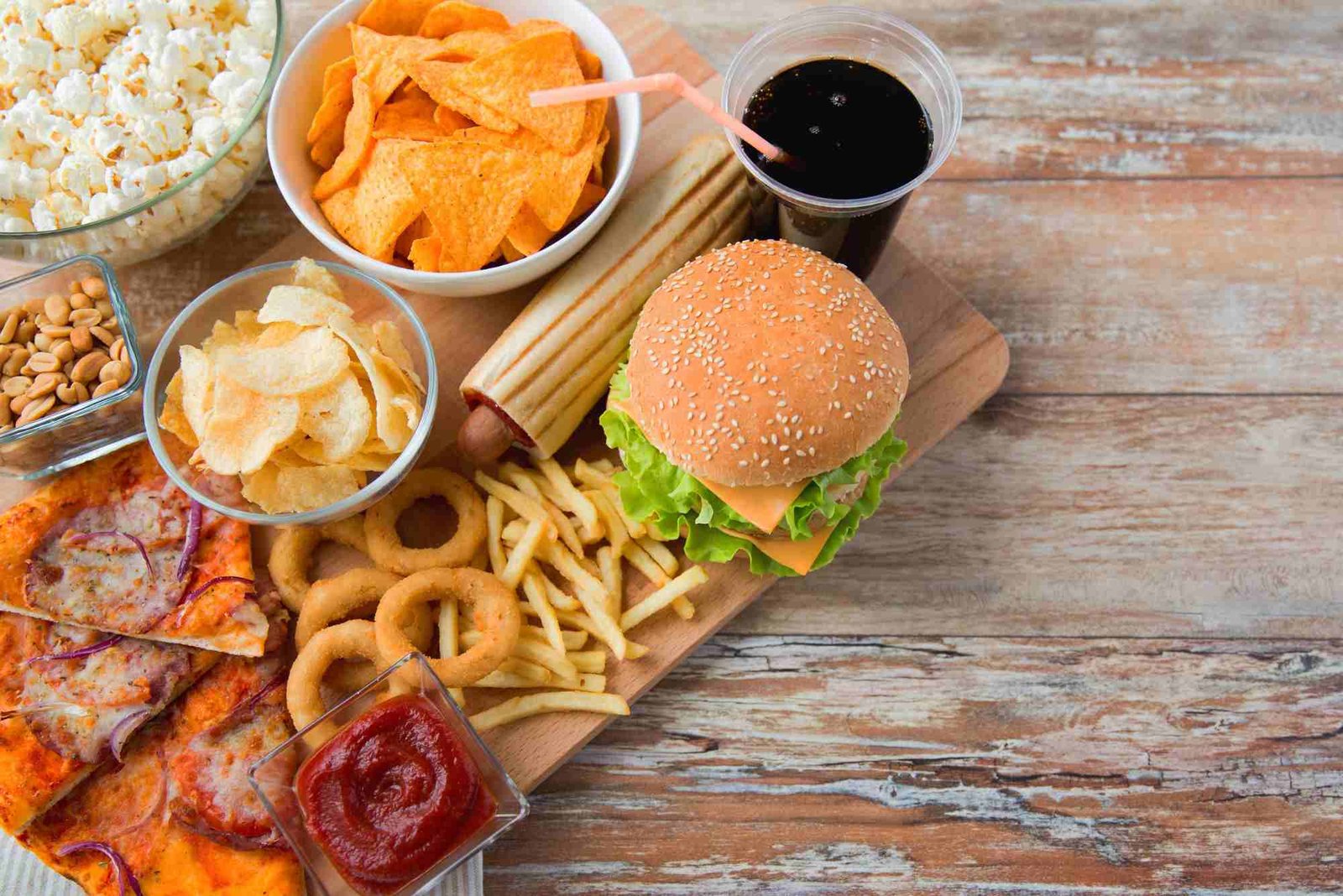
- Relying on processed snacks: Chips, cookies, and sugary drinks offer quick energy but lack lasting nutrition.
- Skipping meals: Skipping breakfast or lunch can lead to overeating later and dips in energy.
- Ignoring portion sizes: Even healthy foods can contribute to excess calories if portions are not monitored.
FAQs
What are the best snacks for active kids?
Nutritious snacks include fruit slices, yogurt, trail mix, hummus with vegetables, and whole-grain crackers with cheese.
How can busy families eat healthy on the go?
Prepare portable options like fruit, nuts, sandwiches with whole-grain bread, or boiled eggs. Keeping a stocked pantry with healthy essentials makes eating on the go easier.
How much protein do active family members need?
Protein needs vary by age, weight, and activity level. Children may need 0.8-1 gram per kilogram of body weight, while active adults often require 1.2-2 grams per kilogram for muscle recovery and energy.
Can healthy meals be budget-friendly?
Absolutely. Buying seasonal produce, frozen vegetables, and bulk grains or beans helps keep costs down while maintaining nutrition.
How important is meal timing for active families?
Meal timing can enhance performance. Eating balanced meals 1-2 hours before activity ensures energy availability, while post-activity meals help with recovery.
Healthy food for active families is about balance, variety, and practicality. Prioritizing nutrient-dense meals, proper hydration, and thoughtful meal planning supports energy, immunity, and overall well-being for every family member. By incorporating wholesome ingredients, involving children in meal preparation, and making healthy choices fun, families can thrive together.
Healthy Snacks: Low-Sugar Snack Alternatives – Choosing low-sugar snacks helps maintain energy levels and supports overall health. Opt for options like fresh fruits, nuts, yogurt, or veggie sticks with hummus. These snacks satisfy cravings without spiking blood sugar, making them perfect for on-the-go, after-school, or worktime munching.