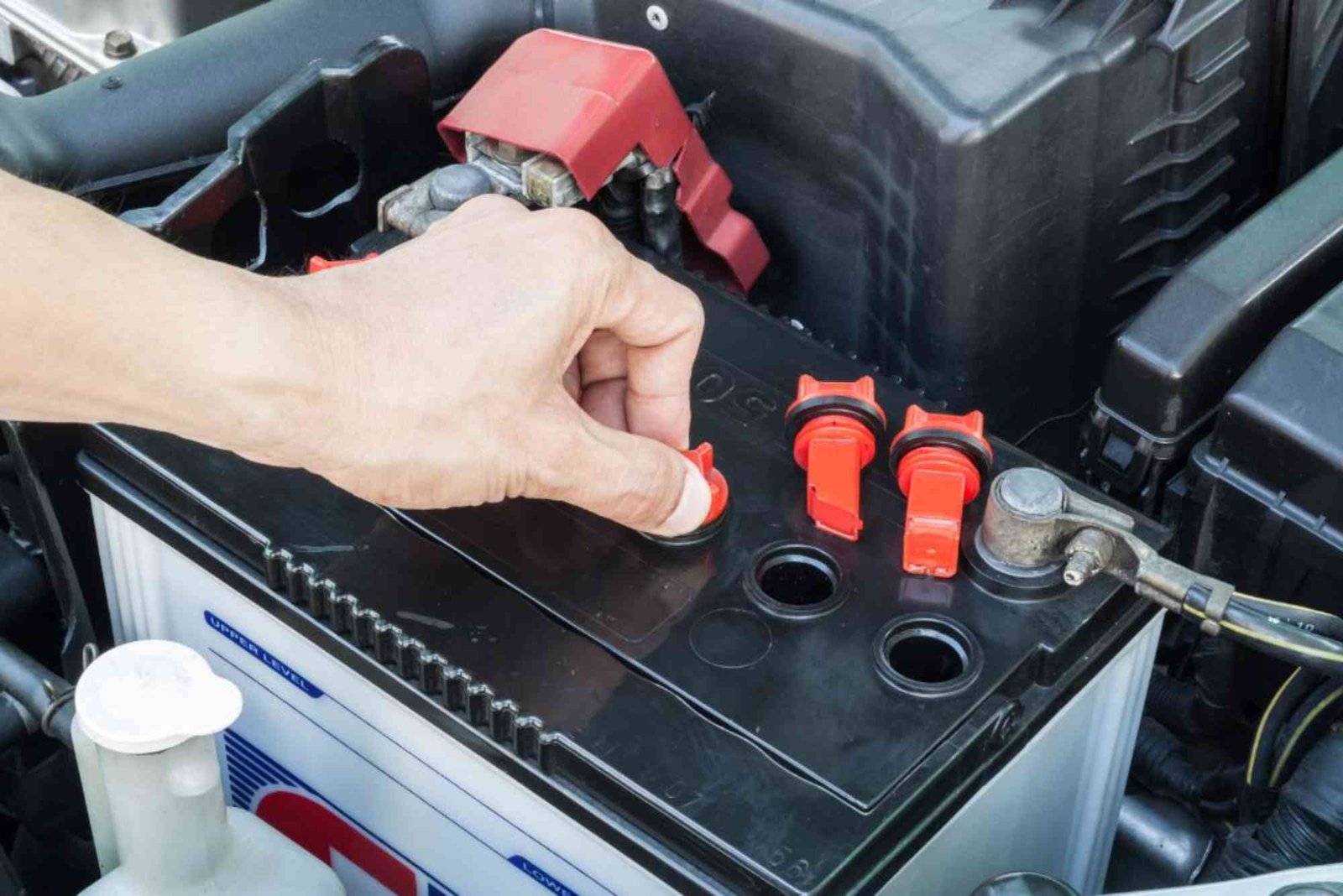
Choosing the right car battery is more than picking the first one you see at an auto store. A car battery is a vital component that powers your vehicle, from starting the engine to supporting electrical systems. Selecting the wrong battery can lead to frequent replacements, poor performance, or even vehicle breakdowns. This guide helps you understand the key factors, types, and tips for choosing the perfect battery for your car.
Understanding Car Battery Basics
Before diving into the selection process, it is essential to understand what a car battery is and how it works. A car battery stores electrical energy and supplies power to your vehicle. Most car batteries are lead-acid types, designed to provide a short burst of energy to start the engine and steady power for electronics when the engine is off. Modern cars with advanced electronics may require batteries with higher capacities or special technologies like AGM or EFB.
The primary specifications of a battery include voltage, cold cranking amps (CCA), reserve capacity (RC), and group size. These elements determine how well the battery performs in different conditions, especially extreme temperatures or heavy electrical loads. Understanding these basics ensures you pick a battery that matches your vehicle’s requirements.
Factors to Consider When Choosing a Car Battery
Battery Type and Technology
Not all car batteries are the same. Standard lead-acid batteries are affordable and reliable for most vehicles. Absorbent Glass Mat (AGM) batteries offer better performance for cars with start-stop systems and high electrical demands. Enhanced Flooded Batteries (EFB) are also suitable for start-stop vehicles but are slightly cheaper than AGM options. Understanding the type of battery your car supports ensures compatibility and longevity.
Size and Fit
The battery size matters more than you may think. Car batteries come in standard group sizes defined by the Battery Council International (BCI). Each car model requires a specific group size to ensure the battery fits securely and connects properly. Installing the wrong size can lead to vibration damage, poor connections, or even acid leaks. Always check your vehicle manual or consult a professional before purchasing.
Cold Cranking Amps (CCA)
Cold cranking amps indicate a battery’s ability to start your engine in cold weather. Higher CCA is crucial for regions with low temperatures, as the engine needs more power to start. For warmer climates, CCA may be less critical, but choosing a battery with an adequate rating ensures reliable performance throughout the year.

Reserve Capacity (RC)
Reserve capacity measures how long a battery can supply power if the alternator fails. A higher RC is beneficial if you often use electrical accessories like lights, air conditioning, or audio systems without running the engine. Knowing your energy needs helps you pick a battery that won’t leave you stranded.
Brand and Warranty
Brand reputation can indicate quality and reliability. Trusted battery manufacturers often provide longer warranties and better customer support. A solid warranty protects you from early battery failure, while a reputable brand ensures consistent performance and safety standards.
Battery Age
Even new batteries can lose power if stored for a long time. Check the manufacturing date before purchasing. Ideally, select a battery less than six months old to maximize lifespan and performance. Older batteries may appear new but have already started losing efficiency.
Maintenance Requirements
Some batteries require regular maintenance, like checking electrolyte levels, while sealed or maintenance-free batteries do not. If you prefer low-maintenance options, AGM or sealed lead-acid batteries are better choices. Consider your comfort level and willingness to perform periodic checks.
Signs You Need a New Car Battery
Replacing your battery before it fails completely can prevent inconvenient breakdowns. Common signs of a weak or failing battery include slow engine cranking, dimming lights, dashboard warning lights, and electrical issues. Frequent jump-starts or unexplained battery drains also indicate it is time for a replacement. Identifying these signs early allows you to make a proactive choice rather than reacting to an emergency.
Select the Right Car Battery
Check Your Vehicle Manual
Your car manual specifies the required battery type, group size, voltage, and sometimes the preferred brand. Following these recommendations ensures compatibility and avoids installation issues.
Assess Your Driving Needs
Consider your climate, driving habits, and electrical load. If you live in a cold area, prioritize higher CCA. For vehicles with many accessories or start-stop systems, choose AGM or EFB technology for durability and performance.
Compare Brands and Features
Research reputable brands and compare features, prices, and warranties. Look for batteries with positive reviews, high reliability scores, and sufficient warranty coverage. Avoid unknown or generic brands that may fail prematurely.
Inspect the Battery Before Purchase
Check the battery for physical damage, leaks, or corrosion. Verify the manufacturing date and ensure the battery is suitable for your vehicle. A final inspection helps prevent purchasing a defective unit.
Professional Installation
While some car owners install batteries themselves, professional installation guarantees proper connection, secure fitting, and correct disposal of the old battery. Experts can also test your electrical system to ensure optimal battery performance.
Maintaining Your Car Battery
Even the best battery requires proper maintenance to maximize lifespan. Keep terminals clean and corrosion-free. Check connections periodically and ensure the battery is securely fastened to avoid vibration damage. Avoid leaving your car unused for long periods without disconnecting or using a trickle charger. Proper maintenance reduces the risk of early battery failure and ensures reliable vehicle operation.
Choosing the right car battery requires careful consideration of type, size, power ratings, brand, and maintenance needs. By understanding your vehicle’s requirements and considering your driving habits, you can select a battery that offers reliability, long life, and excellent performance. A high-quality battery ensures your car starts every time and supports all electrical systems without interruption. Take time to research, compare options, and consult professionals when necessary. Your vehicle deserves a battery that matches its demands, keeping you safe and worry-free on the road. Upgrade your car’s battery today and experience smooth, dependable driving. Don’t wait for a dead battery to leave you stranded. Choose the right car battery now and enjoy peace of mind on every journey. Visit a trusted auto parts store or consult a certified technician today to find your ideal match.
FAQs
Q: How long does a car battery usually last?
A: Most car batteries last 3–5 years, depending on usage, climate, and maintenance. Extreme temperatures and frequent short trips may reduce lifespan.
Q: Can I install a car battery myself?
A: Yes, but professional installation ensures proper fit, secure connections, and safe disposal of the old battery.
Q: What is the difference between AGM and standard batteries?
A: AGM batteries are sealed, maintenance-free, and handle higher electrical loads, making them ideal for modern vehicles with start-stop systems. Standard lead-acid batteries are affordable but require maintenance.
Q: How do I know if my battery is failing?
A: Signs include slow engine cranking, dim lights, dashboard warning lights, frequent jump-starts, or unexplained electrical issues.
Q: Does battery size really matter?
A: Absolutely. The correct group size ensures proper fit, secure mounting, and reliable electrical connections. Using the wrong size may cause damage or poor performance.
Q: What is cold cranking amps (CCA)?
A: CCA measures a battery’s ability to start an engine in cold temperatures. Higher CCA is better for cold climates.
Q: Should I choose a battery with a long warranty?
A: Yes, a longer warranty indicates quality and protects you from premature battery failure. Always check warranty coverage before buying.
Q: How can I extend my battery life?
A: Keep terminals clean, secure the battery, avoid short trips frequently, and use a trickle charger for vehicles not used regularly.