Introduction
Eating the right foods can dramatically improve your energy, focus, and overall productivity throughout the day. Healthy food for daily activities isn’t just about dieting or restriction—it’s about fueling your body with the nutrients it needs to perform at its best. From boosting concentration at work to maintaining stamina for exercise, the choices you make at every meal can have a lasting impact on your daily life.
In this guide, we’ll explore the most effective foods for maintaining energy, enhancing focus, and supporting overall well-being. Whether you’re a student, professional, or fitness enthusiast, incorporating these foods into your daily routine can help you feel energized and perform your best every day.
Why Healthy Food is Crucial for Daily Activities
Provides Sustained Energy
Unlike sugary snacks or processed foods, healthy food releases energy slowly. Complex carbohydrates like whole grains, oats, and quinoa provide fuel that lasts for hours, preventing mid-morning crashes and afternoon slumps.
Improves Focus and Cognitive Function
Certain nutrients directly influence brain function. Omega-3 fatty acids from fatty fish, antioxidants from berries, and vitamins from leafy greens enhance memory, alertness, and mental clarity.
Supports Physical Health and Stamina
Balanced meals rich in proteins, vitamins, and minerals strengthen muscles, bones, and the immune system. This ensures your body can keep up with the demands of both work and exercise without fatigue.
Top Healthy Foods to Include in Your Daily Diet
Whole Grains
Foods like brown rice, oats, and quinoa are excellent sources of fiber and slow-release carbohydrates. They help maintain blood sugar levels and keep energy consistent throughout the day.

Lean Proteins
Chicken, turkey, tofu, and legumes provide amino acids essential for muscle repair and growth. Proteins also help you feel full longer, reducing the temptation to snack on unhealthy options.
Fresh Fruits and Vegetables
Fruits and vegetables are packed with vitamins, minerals, and antioxidants that combat fatigue, support immunity, and improve brain function. Include a variety of colors to maximize nutrient intake.
Healthy Fats
Avocados, nuts, seeds, and olive oil are sources of healthy fats that improve heart health and provide long-lasting energy. They also support brain function, making you sharper and more focused.
Hydration is Key
Water is often overlooked but is essential for maintaining energy levels. Dehydration can cause fatigue, headaches, and decreased concentration. Herbal teas and coconut water are excellent alternatives for variety.
Meal Planning Tips for Maximum Energy
Eat Balanced Breakfasts
Start your day with a combination of protein, complex carbs, and healthy fats. For example, oatmeal topped with nuts and berries or a smoothie with spinach, banana, and Greek yogurt.
Smart Snacking
Instead of reaching for chips or cookies, snack on fruits, yogurt, or nuts. These options provide steady energy without causing sugar spikes.
Portion Control
Eating too much at one meal can make you sluggish. Divide your meals into smaller, balanced portions to maintain energy and prevent overeating.
Time Your Meals
Eating at regular intervals helps maintain energy levels. Aim for three main meals and 1–2 healthy snacks per day to avoid energy dips.
Foods to Avoid for Daily Performance
Sugary Snacks and Drinks
Candy, soda, and pastries cause quick energy spikes followed by crashes, leaving you fatigued and unfocused.
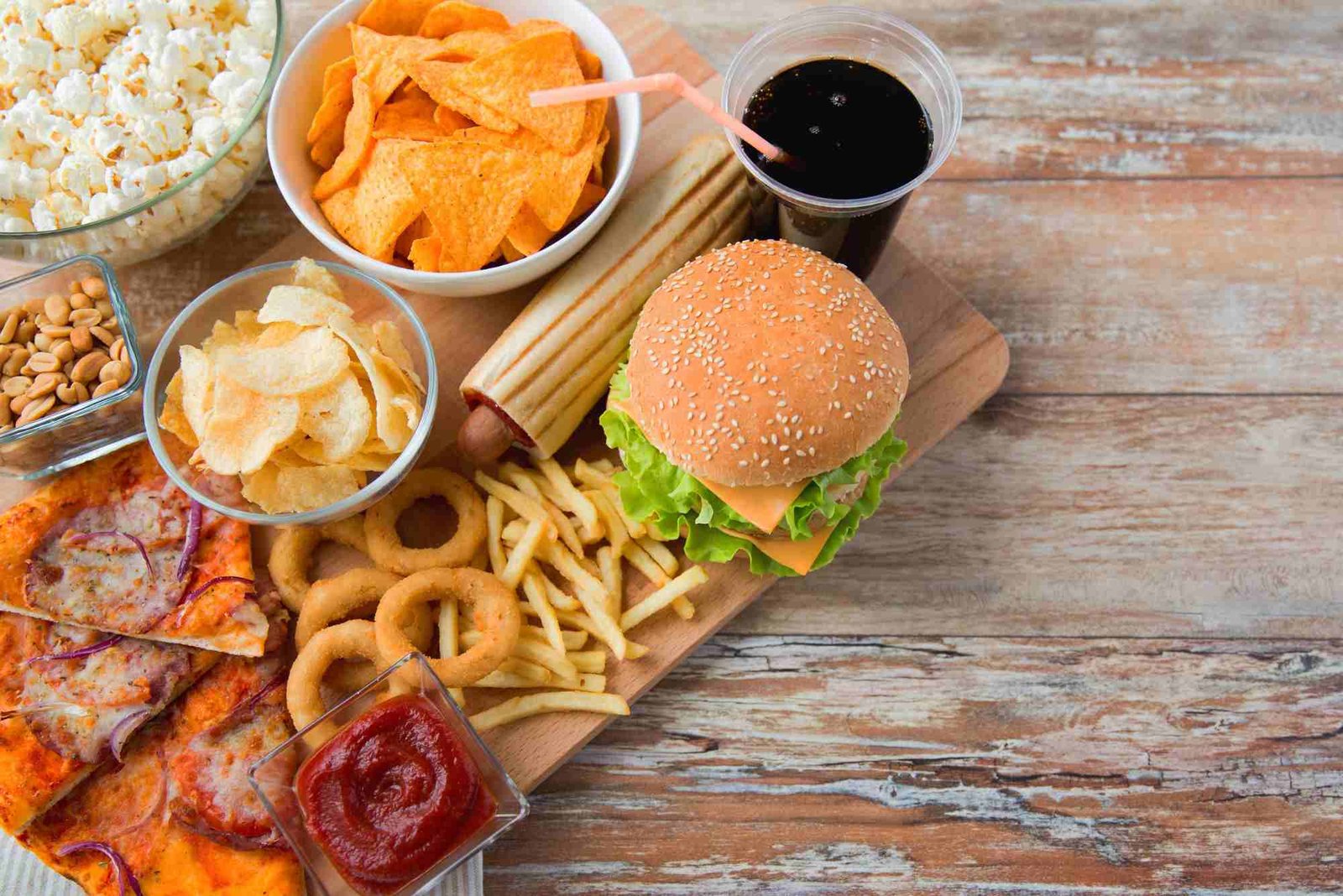
Processed and Fast Foods
These often contain trans fats, excess salt, and preservatives that can negatively impact energy, digestion, and overall health.
Excess Caffeine
While coffee can boost energy temporarily, too much can cause jitters, anxiety, and disrupted sleep—ultimately reducing your daily performance.
Sample Daily Menu for Optimal Energy
Breakfast: Oatmeal with berries, chia seeds, and a spoon of almond butter
Snack: Greek yogurt with sliced banana
Lunch: Grilled chicken salad with quinoa, mixed greens, and olive oil dressing
Snack: A handful of nuts and an apple
Dinner: Baked salmon, steamed broccoli, and sweet potato
Hydration: Water throughout the day, herbal tea in the afternoon
This menu combines complex carbs, lean proteins, healthy fats, and essential vitamins and minerals to keep your energy levels consistent.
Benefits of Consistent Healthy Eating
- Increased Energy: Steady blood sugar levels prevent fatigue.
- Better Concentration: Nutrient-rich foods improve memory and focus.
- Stronger Immunity: Vitamins, minerals, and antioxidants fight off illnesses.
- Improved Mood: Stable energy and nutrient intake can reduce irritability and stress.
- Long-Term Health: Supports heart, brain, and digestive health for years to come.
FAQs
What is the best breakfast for energy all day?
A combination of protein, complex carbs, and healthy fats—like oatmeal with nuts and fruit—provides sustained energy and prevents mid-morning crashes.
Can eating healthy really improve focus?
Yes. Foods rich in omega-3s, antioxidants, and vitamins support brain function and improve memory, concentration, and mental clarity.
How important is hydration for daily activities?
Very important. Even mild dehydration can cause fatigue, headaches, and decreased productivity. Drinking water consistently is essential for energy.
Are snacks necessary if I eat three meals a day?
Snacks can help maintain steady energy levels between meals. Opt for healthy options like fruits, nuts, or yogurt instead of sugary or processed snacks.
How long does it take to feel the benefits of healthy eating?
Many people notice increased energy and mental clarity within a few days, while long-term health benefits accumulate over weeks and months.
Incorporating healthy food for daily activities is a simple yet powerful way to boost energy, focus, and overall well-being. By choosing the right combination of proteins, complex carbs, healthy fats, and hydration, you can maximize your daily performance and feel your best every day.
Start small—swap out sugary snacks for fruit, add a handful of nuts to your breakfast, and drink more water throughout the day. Over time, these small choices add up to significant improvements in energy, mood, and productivity.
Instant Food: Tips for Healthier Consumption – Enjoying instant meals doesn’t have to be unhealthy. Opt for options with lower sodium and added nutrients, balance them with fresh vegetables or fruits, and control portion sizes. Reading labels and adding protein-rich sides can make your quick meals more nutritious and satisfying.