Introduction
Music has always been a reflection of human culture, history, and emotion. From the rhythmic beats of ancient drums to the synthesized sounds of modern electronic tracks, every musical era brings its own identity. The debate of traditional vs modern music often centers on their differences: one rooted in heritage and timeless melodies, the other embracing innovation, technology, and global trends. Yet, a fascinating question emerges—can these two seemingly contrasting styles collaborate effectively? The answer is a resounding yes. By understanding their unique qualities and exploring the potential for fusion, musicians can create works that honor tradition while appealing to contemporary audiences.
Understanding Traditional Music
H3: Definition and Characteristics
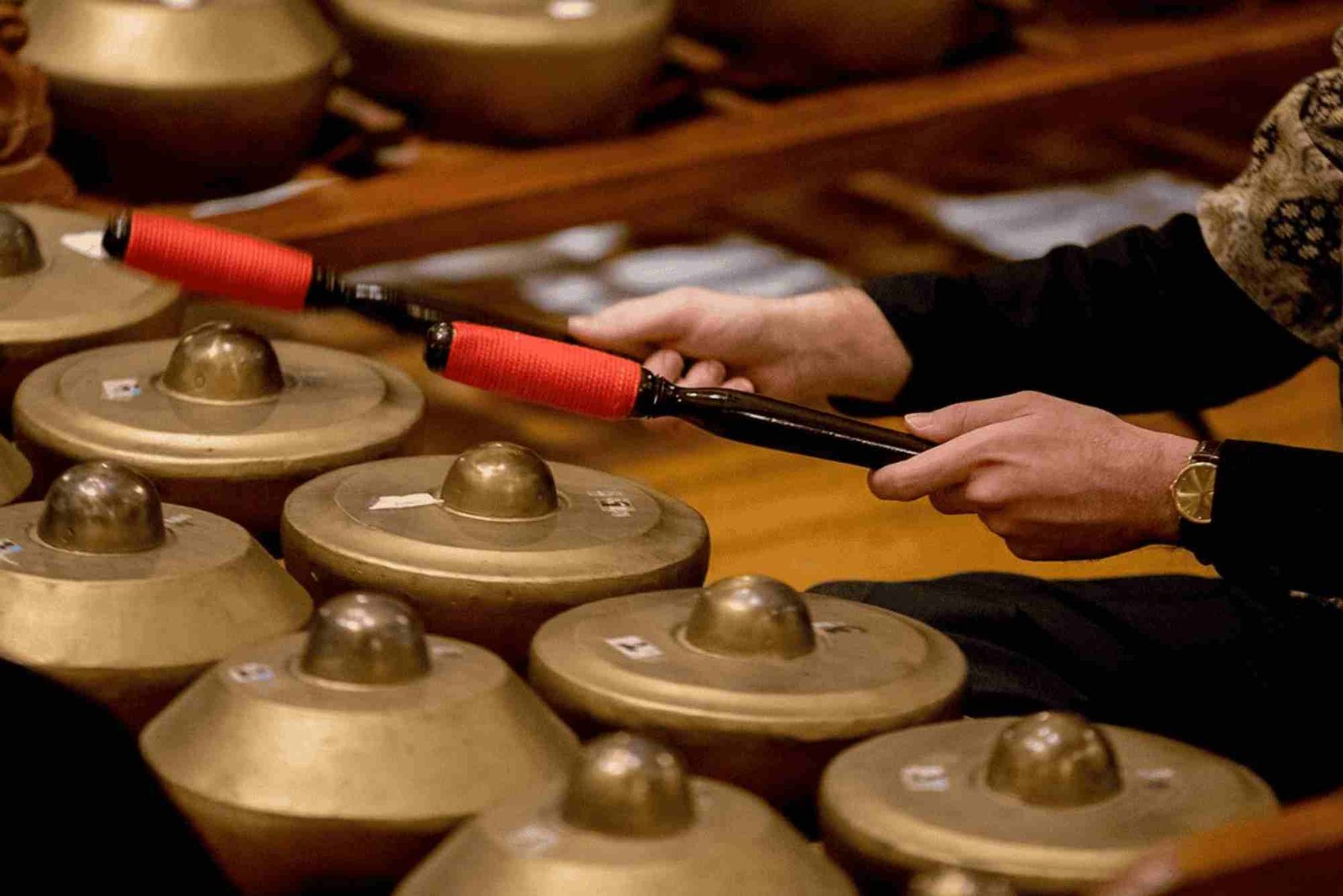
Traditional music, also known as folk music, is the music of the people, passed down through generations. It often tells stories of culture, rituals, and everyday life. Instruments used in traditional music vary widely depending on region and cultural background, ranging from the sitar in India to the djembe in West Africa or the gamelan in Indonesia.
Key characteristics include:
- Emphasis on melody and rhythm that reflect cultural heritage
- Use of acoustic instruments and natural sounds
- Storytelling lyrics that capture history, beliefs, or communal experiences
Cultural Significance
Traditional music is more than entertainment; it preserves the identity of communities. In many societies, music accompanies festivals, religious ceremonies, and life events, reinforcing shared values and collective memory. Its preservation is crucial in a rapidly globalizing world where modern music dominates mainstream channels.
Understanding Modern Music
Definition and Characteristics
Modern music encompasses genres that emerged during the 20th and 21st centuries, including pop, rock, hip-hop, EDM, and jazz fusion. It often focuses on experimentation, production technology, and global appeal.
Characteristics include:
- Use of electronic instruments and digital production
- Innovative rhythms, chord progressions, and sound manipulation
- Themes often reflecting contemporary life, personal experiences, or social issues
Global Influence and Accessibility
Modern music spreads rapidly through streaming platforms, social media, and live performances. Its global reach allows artists from different backgrounds to influence one another, creating hybrid genres and fresh sounds. This accessibility makes it an ideal partner for blending with traditional music.
The Potential for Collaboration
Musical Fusion and Innovation
Combining traditional and modern music opens doors to creativity. By integrating traditional instruments or motifs into modern arrangements, artists can craft songs that honor the past while engaging today’s listeners. Examples include:
- Electronic tracks incorporating indigenous rhythms or instruments
- Pop songs featuring traditional vocal techniques or scales
- Jazz improvisations inspired by folk melodies
Bridging Cultural Gaps
Collaboration between traditional and modern music promotes cultural exchange. Artists can introduce audiences to unfamiliar instruments, languages, and storytelling methods, enriching the musical landscape. It also gives traditional musicians a platform to reach younger generations and global listeners.
Challenges and Solutions
Despite the benefits, collaboration poses challenges:
- Authenticity: Balancing modern elements without diluting the essence of traditional music
- Technical differences: Adapting acoustic instruments to digital production
- Audience reception: Bridging preferences of traditionalists and modern music fans
Solutions include careful arrangement, consulting cultural experts, and experimental recordings that test audience responses.
Case Studies of Successful Collaborations
Indigenous Beats in Modern EDM
Artists like Native American musician A Tribe Called Red have combined powwow drums and chants with electronic music, creating a vibrant, contemporary sound that respects their heritage while attracting new fans worldwide.
K-Pop Meets Traditional Korean Instruments
K-pop groups occasionally integrate gayageum (a traditional Korean string instrument) and samulnori percussion in their tracks, demonstrating how traditional sounds can elevate modern pop music and celebrate cultural roots.
World Music Crossovers
Projects like Yo-Yo Ma’s Silk Road Ensemble blend Chinese, Middle Eastern, African, and Western instruments, showing that cross-cultural collaborations can result in rich, innovative music that transcends borders.
Benefits of Traditional-Modern Collaboration
- Cultural preservation: Keeps traditional music relevant
- Artistic innovation: Encourages creative experimentation
- Expanded audiences: Attracts both young listeners and those invested in cultural heritage
- Economic opportunities: Opens new markets and performance venues for traditional musicians
How Musicians Can Start Collaborating
Experiment with Arrangements
Start with one traditional instrument or motif and build a modern track around it. Digital tools allow musicians to blend acoustic and electronic sounds seamlessly.
Educate and Research
Understanding the history, symbolism, and technique of traditional music ensures respectful and authentic collaborations.
Collaborate Across Genres
Working with musicians from different backgrounds encourages creativity. For example, a folk singer partnering with a hip-hop producer can create a unique narrative-driven track.
The dialogue between traditional and modern music is not a competition but an opportunity. When approached thoughtfully, collaboration can honor cultural roots, inspire innovation, and captivate global audiences. Musicians who embrace this fusion contribute to a more diverse and vibrant musical landscape.
FAQs
Can traditional music be adapted for modern audiences?
Yes, by incorporating modern production techniques and arrangements while preserving core cultural elements, traditional music can resonate with contemporary listeners.
What are examples of modern music using traditional instruments?
Electronic artists may use indigenous drums or flutes, while pop and rock bands sometimes integrate string or percussion instruments from their local heritage.
Does collaboration risk losing the authenticity of traditional music?
It can, but careful research, cultural respect, and thoughtful arrangement help maintain authenticity while introducing new sounds.
How do young musicians benefit from this fusion?
They gain exposure to diverse musical techniques, broaden their creative horizons, and connect with both traditional and modern audiences globally.
Are there platforms supporting traditional-modern collaborations?
Yes, music festivals, world music programs, and streaming platforms like Spotify and YouTube encourage cross-genre collaborations, making it easier to reach global audiences.
Looking for thrilling reads? Detective Series Recommendations: Mystery Stories That Spark Curiosity highlights gripping tales full of twists, clever plots, and unforgettable detectives. Perfect for fans who love solving puzzles alongside intriguing characters, these series keep your mind engaged and curiosity alive with every chapter.