Introduction
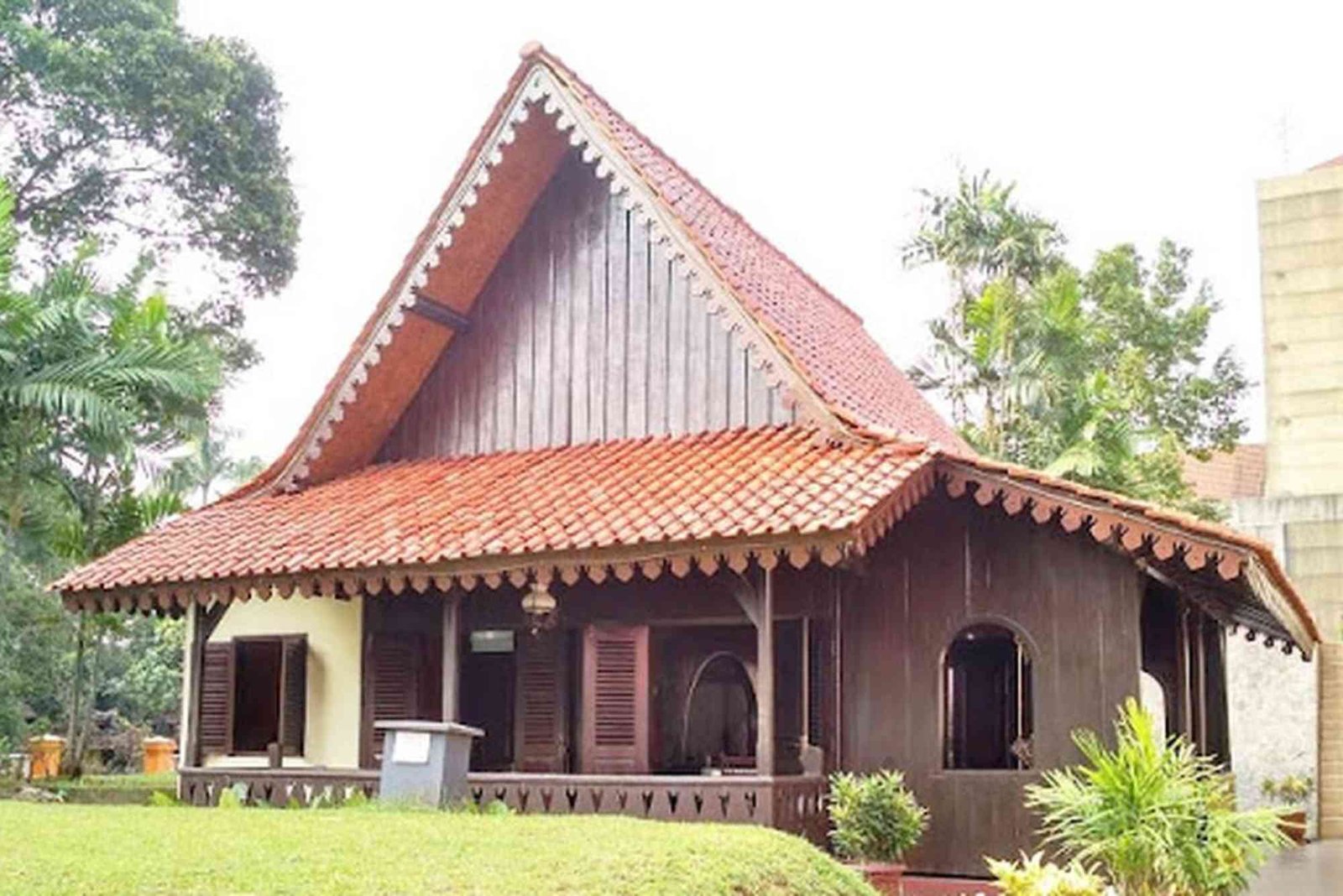
Traditional Indonesian architecture is a vibrant reflection of the archipelago’s rich cultural heritage. Across over 17,000 islands, each region boasts unique traditional houses, known as rumah adat, which embody local philosophy, social values, and environmental wisdom. These structures are more than just dwellings—they represent identity, status, spirituality, and harmony with nature. Understanding these houses provides insight into the Indonesian worldview and architectural ingenuity.
The Philosophy Behind Traditional Indonesian Houses
Harmony with Nature
Indonesian traditional architecture emphasizes a profound connection with the natural environment. Many rumah adat are elevated on stilts to protect against floods, pests, and humidity, demonstrating practical knowledge of tropical ecosystems. Materials such as bamboo, teak wood, and palm leaves are commonly used, highlighting sustainable building practices passed down through generations.
Spiritual Beliefs and Symbolism
Traditional houses are deeply intertwined with spiritual and cosmological beliefs. Many designs reflect the balance between the physical and spiritual world. For instance, in the Minangkabau culture of West Sumatra, the Rumah Gadang’s upward-sloping roofs symbolize buffalo horns, a sacred animal representing strength and prosperity.
Social Structure and Community
The layout of traditional houses often reflects social hierarchy and communal values. Larger homes or extended compounds accommodate multiple generations, fostering familial bonds and cooperation. Certain rooms or areas are designated for ceremonies, rituals, or guests, reflecting respect for tradition and community cohesion.
Major Types of Traditional Indonesian Houses
Rumah Gadang – West Sumatra
Structure and Design
The Rumah Gadang is iconic for its curved, horn-like roofs and intricate wood carvings. Typically built for the Minangkabau matrilineal society, these houses are owned by women, with rooms allocated for family members based on seniority.
Cultural Significance
The carvings on the walls and beams often depict nature, myths, and moral stories, embedding cultural wisdom directly into the architecture. The stilted foundation represents readiness for environmental challenges and societal flexibility.
Joglo – Central Java
Structure and Design
The Joglo is distinguished by its central towering roof, supported by four main pillars called saka guru. The symmetrical design emphasizes balance and stability, with an open central space used for family gatherings and ceremonies.
Cultural Significance
This house type reflects Javanese philosophical concepts such as Tri Hita Karana, which emphasizes harmony among humans, nature, and the divine. Its design encourages social interaction and spiritual mindfulness.
Tongkonan – South Sulawesi
Structure and Design
The Tongkonan features massive, boat-shaped roofs with ornate carvings that reflect ancestral lineage and local myths. Traditionally, these houses are communal, accommodating extended families and facilitating ritual activities.
Cultural Significance
Ownership of a Tongkonan denotes social status, and ceremonies held within these houses strengthen community identity. Each motif in the carvings carries symbolic meanings, including fertility, protection, and prosperity.
Balinese Traditional Houses – Bali
Structure and Design
Balinese traditional houses are designed as compounds with multiple pavilions (paviliun), each serving a specific function such as living, cooking, or worship. Open courtyards encourage airflow and connection with nature, while stone walls and gateways delineate sacred from mundane spaces.
Cultural Significance
The Balinese Asta Kosala Kosali principle governs spatial arrangement, emphasizing harmony with the universe. The layout reflects religious practices, with temples often integrated into the household compound for daily offerings and rituals.
Rumah Lamin – East Kalimantan
Structure and Design
The Rumah Lamin is a longhouse that houses several families under one roof, supported by large stilts and featuring communal halls. Its elongated structure fosters social interaction and collective decision-making.
Cultural Significance
It embodies the philosophy of mutual cooperation, reflecting the values of the Dayak tribes who prioritize communal life over individualism. The central hall is used for meetings, rituals, and celebrations, making the house a social and spiritual hub.
Architectural Elements Common Across Traditional Indonesian Houses
- Stilted Foundations: Protect from flooding, pests, and humidity.
- Natural Materials: Bamboo, teak, palm leaves, and rattan for sustainable construction.
- Ornamentation: Carvings and motifs tell stories and convey moral lessons.
- Roof Design: Symbolic shapes, such as buffalo horns or boat-like forms, reflect local identity.
- Open Layouts: Encourage ventilation, communal living, and ritual practices.
Modern Relevance of Traditional Architecture
In contemporary Indonesia, traditional house styles inspire modern designs that blend heritage with innovation. Architects integrate traditional principles like natural ventilation, sustainable materials, and symbolic aesthetics into urban homes, hotels, and public spaces. This revival not only preserves cultural identity but also promotes eco-friendly and culturally respectful construction practices.
Traditional Indonesian architecture offers more than aesthetic appeal—it is a living embodiment of philosophy, community values, and environmental intelligence. From the Rumah Gadang to the Tongkonan, each house tells a story of the people, the land, and the cosmos. Preserving these traditions is crucial for cultural continuity and architectural inspiration.
FAQs
What is the main purpose of traditional Indonesian houses?
Traditional houses serve as dwellings, social centers, and spiritual spaces. They reflect local culture, family structure, and environmental adaptation.
Why are most traditional houses built on stilts?
Stilts protect homes from flooding, pests, and humidity while improving ventilation in tropical climates.
What materials are commonly used in Indonesian traditional houses?
Bamboo, teak wood, palm leaves, and rattan are frequently used, emphasizing sustainability and harmony with nature.
How do traditional houses reflect Indonesian philosophy?
They integrate spirituality, social hierarchy, and environmental harmony, often expressed through layout, carvings, and roof design.
Are traditional house designs still used today?
Yes, traditional architecture influences modern designs, eco-friendly buildings, and cultural tourism projects, preserving heritage while adapting to contemporary needs.
E-Sports in Indonesia: Development and Career Opportunities is rapidly growing, with more tournaments, teams, and sponsorships emerging every year. Young gamers now have opportunities not only as professional players but also in coaching, streaming, event management, and content creation, making e-sports a promising career path in Indonesia.