Introduction
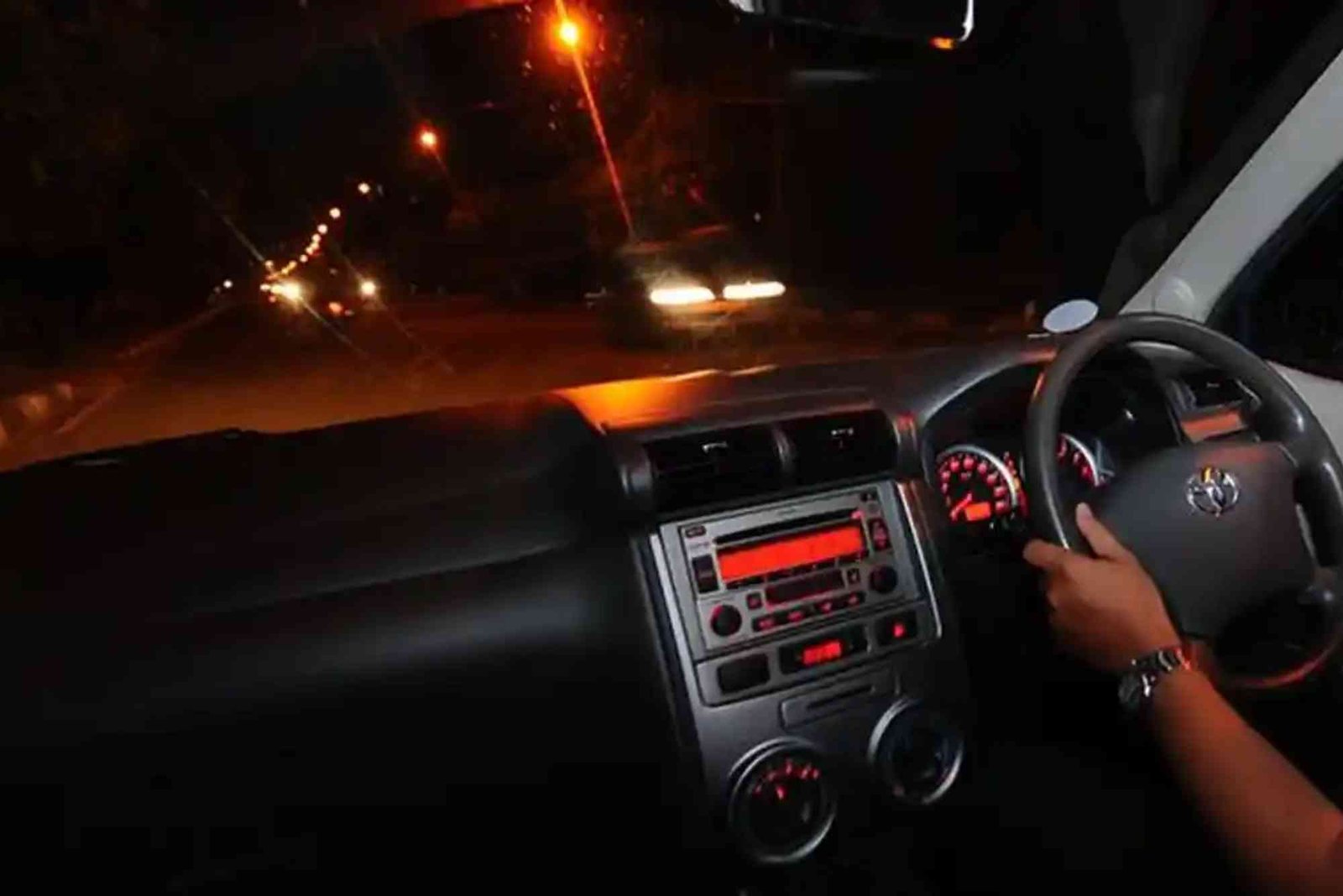
Driving at night can be challenging, even for experienced drivers. Reduced visibility, glare from headlights, and fatigue make nighttime driving riskier than daytime travel. According to road safety studies, accidents are significantly more likely to happen at night, especially between 9 PM and 6 AM. Understanding how to stay alert, maintain control, and anticipate potential hazards is essential for safe night driving. In this article, we will explore practical, expert-approved tips for driving safely at night to help you navigate the roads with confidence.
Understanding the Risks of Night Driving
Driving after dark presents unique hazards that require extra caution. Awareness of these risks is the first step toward safer night driving.
Reduced Visibility
At night, your eyes cannot perceive depth and distance as effectively as during the day. Objects, pedestrians, and road signs are harder to see, making it crucial to rely on your headlights and slow down.
Glare from Oncoming Traffic
Headlights from other vehicles can temporarily blind drivers, causing delays in reaction time. Glare can be particularly dangerous for older drivers, whose eyes take longer to recover from bright lights.
Fatigue and Drowsiness
Driving when your body is naturally inclined to rest increases the risk of falling asleep behind the wheel. Nighttime often coincides with circadian rhythm lows, which can reduce alertness and slow reaction times.
Higher Likelihood of Impaired Drivers
Studies show that nighttime driving sees a higher proportion of impaired or intoxicated drivers, especially on weekends. Staying vigilant and defensive is critical to avoid accidents.
Essential Tips for Driving Safely at Night
Following practical strategies can greatly reduce risks while driving in low-light conditions.
Maintain Your Vehicle’s Lighting
Proper lighting is fundamental for safe night driving.
Check Headlights and Taillights
Ensure all lights are functioning and properly aligned. Misaligned headlights reduce visibility and can blind other drivers. Replace burnt-out bulbs immediately.
Use High Beams Wisely
High beams increase visibility on dark roads without streetlights. Switch to low beams when approaching oncoming traffic or driving behind another vehicle to prevent glare.
Adjust Your Speed and Following Distance
Reduced visibility means you need more time to react.
Slow Down in Poor Visibility
Drive at a speed that allows you to stop safely within the distance illuminated by your headlights.
Increase Following Distance
Maintain a larger gap from the vehicle ahead. This buffer provides extra time to react to sudden stops or unexpected obstacles.
Keep Your Windshield and Mirrors Clean
Dirt, streaks, and moisture on glass surfaces amplify glare and reduce visibility.
Regular Cleaning
Wipe down windshields, mirrors, and headlights regularly. Use anti-fog treatments to prevent condensation inside the car during colder nights.
Reduce Glare and Eye Strain
Nighttime glare can be fatiguing and dangerous.
Use Night-Driving Glasses if Needed
Polarized or anti-glare lenses can help reduce the impact of bright headlights.
Adjust Rearview Mirrors
Many cars have a night mode on the rearview mirror to minimize glare from vehicles behind you.
Stay Alert and Avoid Fatigue
Drowsy driving is a major cause of night accidents.
Take Breaks on Long Trips
Pull over every 2 hours to stretch, hydrate, and refocus.
Avoid Heavy Meals and Alcohol
Both can increase drowsiness. Keep snacks and water handy to maintain energy levels.
Anticipate Road Hazards
Expect the unexpected while driving at night.
Watch for Pedestrians and Animals
Animals are more active at night, and pedestrians may be harder to see. Reduce speed in poorly lit areas.
Recognize Fatigue in Other Drivers
Erratic driving, drifting lanes, or sudden braking may indicate an impaired or tired driver nearby. Maintain a safe distance.
Use Technology to Your Advantage
Modern vehicles offer features that enhance night driving safety.
Automatic Headlights and Adaptive Systems
Adaptive headlights follow the road curve and improve visibility in corners. Use automatic high beams if your car has this feature.
Lane Departure and Collision Warnings
Advanced driver-assistance systems alert you if you drift or approach a hazard, offering an extra safety layer.
Preparing Yourself for Night Driving
Beyond the vehicle, your personal readiness plays a crucial role in safe night driving.
Rest and Alertness
Prioritize sleep before a long night drive. Even one hour of extra rest can significantly improve focus.
Avoid Distractions
Keep your phone on silent or use hands-free features. Focus entirely on the road, especially when visibility is limited.
Plan Your Route
Familiar routes reduce stress and allow you to anticipate curves, intersections, and potential hazards. Use GPS or apps to avoid poorly lit or high-risk roads.
Driving safely at night requires a combination of vehicle preparation, personal alertness, and defensive driving skills. By maintaining your headlights, reducing speed, minimizing glare, and staying alert, you can significantly reduce the risks associated with nighttime driving. Remember, night driving is not just about reaching your destination—it’s about reaching it safely.
FAQs
How can I improve my visibility while driving at night?
Keep headlights clean, use high beams on dark roads when safe, adjust mirrors to reduce glare, and ensure your windshield is streak-free.
Is it safer to drive slower at night?
Yes. Reduced visibility at night makes it harder to react quickly, so lowering your speed allows you to stop safely if needed.
What should I do if I feel sleepy while driving at night?
Pull over to a safe location, take a short nap, hydrate, or stretch before continuing. Avoid trying to push through drowsiness.
Are night-driving glasses effective?
Anti-glare or polarized glasses can help reduce headlight glare and eye strain, but they should not replace safe driving practices.
Should I use cruise control at night?
Avoid using cruise control at night. Staying fully engaged with the vehicle helps maintain alertness and allows faster reactions to hazards.
Best Crossover Cars 2025: Discover the best crossover cars of 2025, blending style, performance, and advanced technology. From fuel efficiency to smart features, these top models offer comfort and versatility for every driver. Explore the latest trends and find your perfect crossover today.