Introduction
A car engine is the heart of any vehicle, and its performance directly affects how efficiently your car runs. Many car owners focus on aesthetics or minor maintenance but overlook the critical steps needed to keep the engine powerful and long-lasting. Understanding the secret to maintaining a car engine is essential not only to prevent costly repairs but also to ensure safety, fuel efficiency, and smooth driving. This guide will break down practical, expert-backed strategies to help you maintain your car engine effectively.
Regular Engine Oil Maintenance
Importance of Engine Oil
Engine oil lubricates moving parts, reduces friction, and prevents overheating. Dirty or low-quality oil can lead to engine wear, reduced power, and even engine failure.
How Often to Change Engine Oil
Most experts recommend changing engine oil every 5,000 to 7,500 miles for modern vehicles, though it can vary depending on your car model and driving conditions. Always check your owner’s manual for manufacturer guidance.
Choosing the Right Engine Oil
Using the correct grade and type of oil is crucial. Synthetic oils provide superior protection under extreme temperatures, while conventional oils are suitable for standard driving conditions. Consider the engine type, climate, and driving style when selecting oil.
Keep the Cooling System in Top Shape
Role of the Cooling System
The cooling system prevents the engine from overheating by circulating coolant. Overheating can cause severe damage, warping engine parts and reducing performance.
Checking Coolant Levels
Check coolant levels regularly and top up when needed. Use the correct type of coolant recommended by your car manufacturer.
Flushing the Radiator
A radiator flush every 2–3 years removes rust, debris, and deposits that reduce cooling efficiency. A well-maintained cooling system ensures the engine runs at optimal temperature, maintaining power and efficiency.
Air Filter Care
Why Air Filters Matter
Clean air filters allow proper airflow into the engine, improving combustion and power output. Dirty filters restrict airflow, reducing engine efficiency and fuel economy.
How to Inspect and Replace
Inspect air filters every 12,000 miles or once a year, whichever comes first. Replace them sooner if you frequently drive in dusty or polluted areas. High-performance filters can improve power without compromising engine longevity.
Fuel System Maintenance
Fuel Quality
Using high-quality fuel reduces engine deposits and ensures smoother combustion. Avoid low-grade or contaminated fuel, as it can decrease engine power and efficiency.
Fuel Injector Cleaning
Dirty fuel injectors can cause misfires and poor performance. Professional cleaning every 30,000–50,000 miles keeps injectors delivering fuel properly, maintaining engine power.
Spark Plug and Ignition System Check
Role in Engine Performance
Spark plugs ignite the air-fuel mixture in the engine. Worn or dirty spark plugs can cause misfires, rough idling, and loss of power.
Replacement Schedule
Replace spark plugs according to your vehicle manufacturer’s schedule, typically every 30,000–100,000 miles depending on the type of plug. Regular checks ensure consistent engine performance and efficiency.
Transmission and Engine Link
Transmission Fluid
Smooth engine operation depends on a well-functioning transmission. Check and replace transmission fluid as recommended. Low or old fluid increases friction, reducing engine efficiency.
Timing Belt and Chain
A failing timing belt or chain can cause catastrophic engine damage. Inspect regularly and replace as per manufacturer guidance to ensure synchronized engine operation.
Driving Habits That Preserve Engine Power
Warm-Up Your Engine
Avoid revving the engine immediately after starting. Allow the engine to warm up for a few minutes, especially in cold climates, to ensure proper lubrication and reduce wear.
Smooth Acceleration
Aggressive acceleration or sudden braking stresses the engine and reduces its lifespan. Driving smoothly helps maintain engine power and fuel efficiency.
Avoid Overloading
Excessive weight strains the engine, leading to overheating and faster wear. Follow the manufacturer’s load recommendations to keep your engine performing optimally.
Advanced Engine Care Tips
Regular Engine Diagnostics
Modern vehicles come with diagnostic systems that detect issues early. Using a professional diagnostic tool helps identify problems before they affect performance.
Engine Detailing and Cleaning
Removing dirt and debris from the engine exterior improves heat dissipation and allows you to spot leaks early. Use safe engine cleaning techniques to avoid damage.
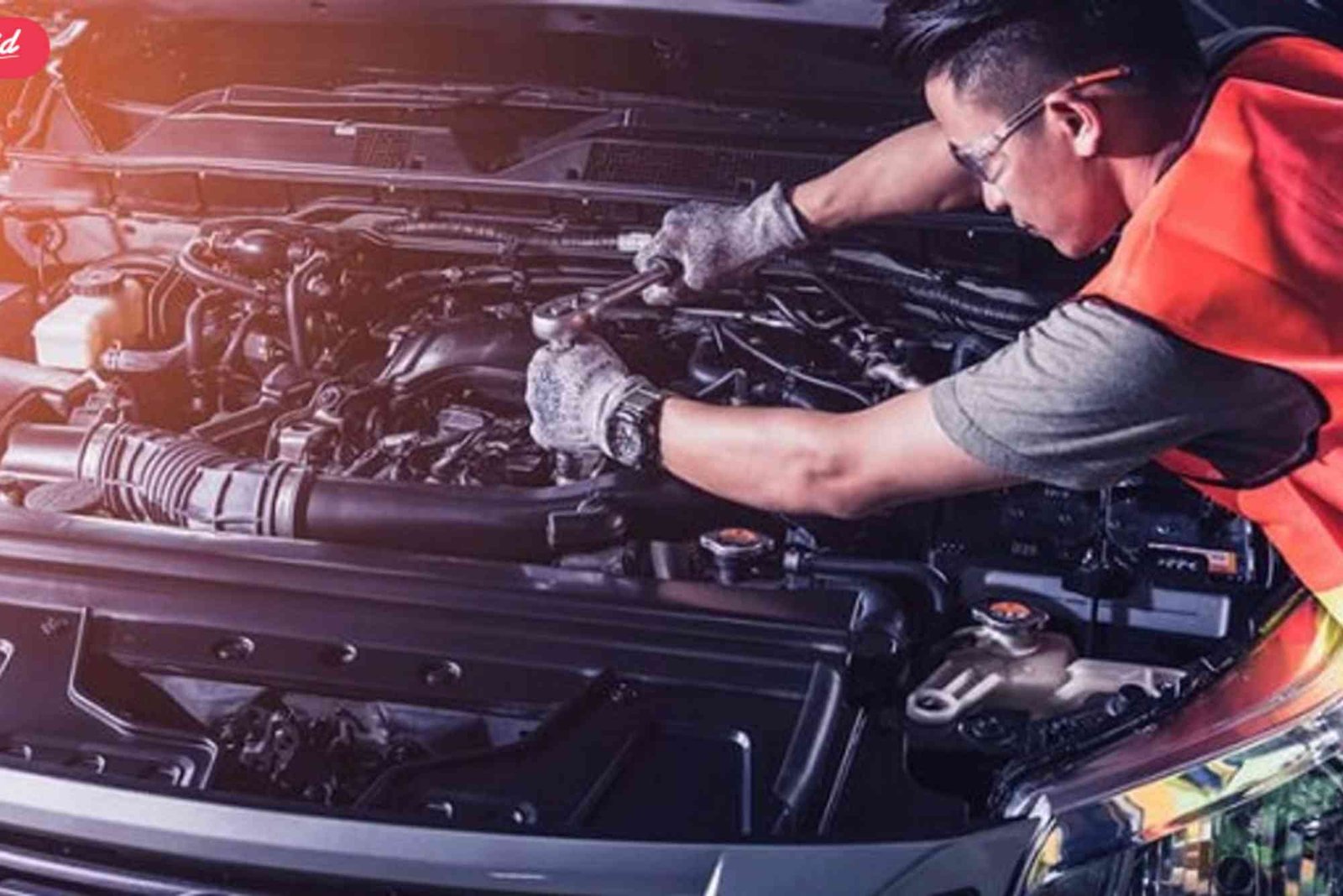
Periodic Professional Inspection
Even with diligent care, professional inspections can catch hidden issues like minor leaks, worn seals, or unusual engine noises before they become major problems.
Maintaining a car engine to keep it powerful requires consistent care, attention to detail, and understanding your vehicle’s needs. From regular oil changes and air filter replacements to careful driving habits and professional inspections, every step contributes to a strong, efficient, and long-lasting engine.
FAQs
How often should I change my engine oil?
Most modern cars require an oil change every 5,000–7,500 miles, but always check your manufacturer’s guidelines.
Can driving habits affect engine power?
Yes. Aggressive acceleration, sudden braking, and overloading can reduce engine efficiency and longevity.
Why is the air filter important for engine performance?
A clean air filter ensures proper airflow, improving combustion, fuel efficiency, and engine power.
How do I know if my spark plugs need replacing?
Signs include rough idling, misfires, poor fuel economy, and difficulty starting the engine.
Is professional engine inspection necessary if I maintain my car well?
Yes. Professionals can detect hidden issues early, preventing costly repairs and keeping your engine running optimally.
How to Maximize the Lifespan of Car Brakes: Proper care of your car brakes ensures safety and saves money. Regularly check brake pads and discs, avoid harsh braking, and drive smoothly. Keeping brakes clean and servicing them on time prevents wear and tear, helping your braking system last longer and perform efficiently.