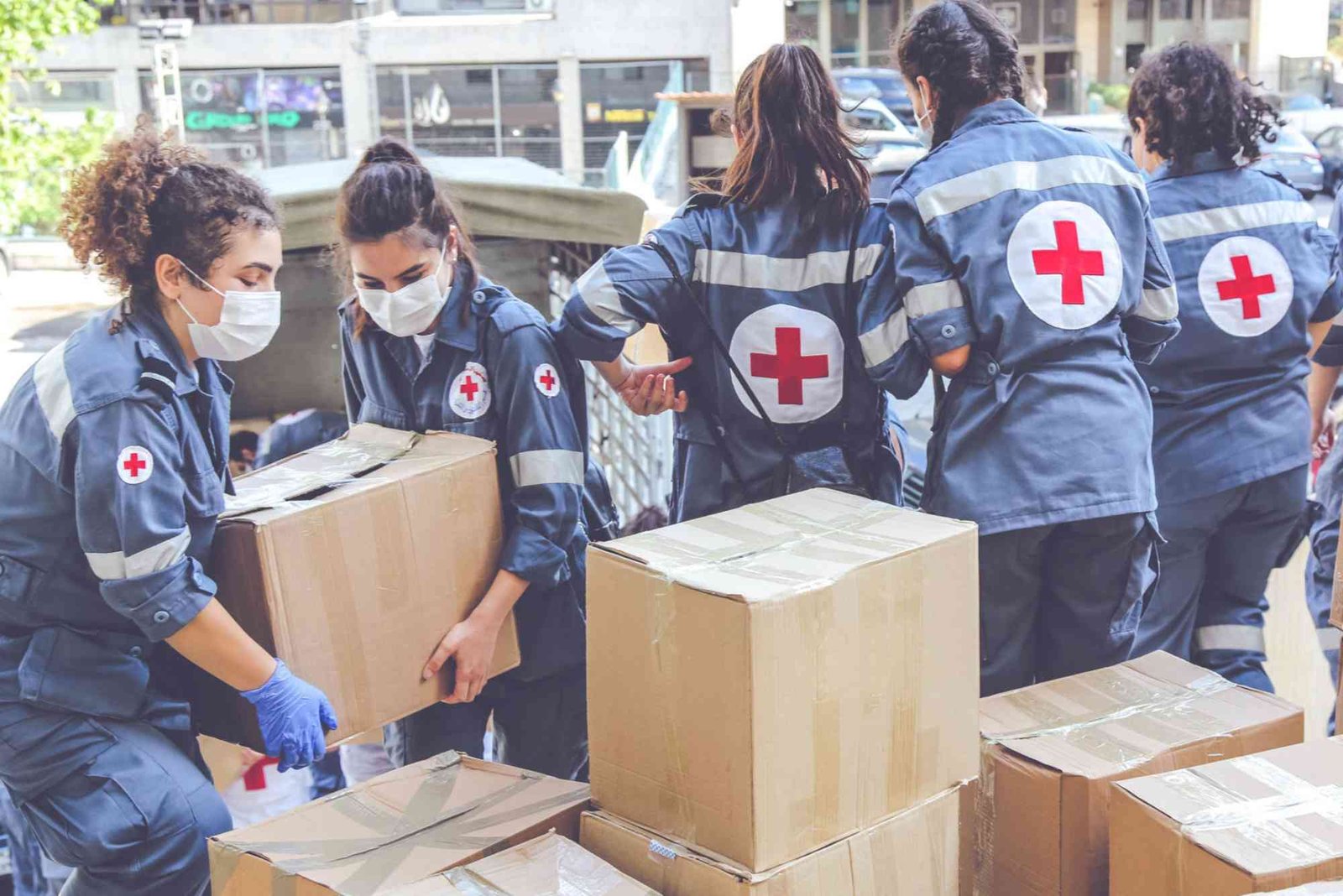
Introduction
Disasters, whether natural or man-made, pose significant threats to lives, property, and the environment. The unpredictability of such events makes proactive measures essential. In this context, the role of the government in disaster prevention becomes critical. Governments are tasked with designing policies, creating awareness, implementing safety measures, and coordinating responses to reduce the impact of disasters. Understanding how governments function in this capacity can empower communities to be safer and more resilient.
Understanding Disaster Prevention
Disaster prevention refers to actions taken to avoid the occurrence or minimize the impact of disasters. Unlike disaster response, which deals with emergencies after an event occurs, disaster prevention focuses on preparation, mitigation, and reducing vulnerabilities. The government plays a pivotal role in this domain because effective prevention requires planning, resources, coordination, and public compliance, all of which are most efficiently organized at a national or regional level.
The Importance of Government Involvement
The government possesses the authority, resources, and infrastructure necessary to implement large-scale preventive measures. While individuals and communities can take precautions, systemic strategies require policy frameworks, funding, and enforcement mechanisms. Government involvement ensures that disaster prevention efforts are organized, consistent, and sustainable. Furthermore, governments are responsible for ensuring vulnerable populations receive special attention, including low-income communities, the elderly, and those living in high-risk areas.
Policy and Legislation
A central aspect of the government’s role in disaster prevention is establishing policies and legal frameworks. Laws and regulations can mandate building codes, zoning restrictions, and environmental protections that reduce the risk of disasters. For instance, governments may enforce floodplain management regulations to prevent construction in high-risk areas or require earthquake-resistant designs in seismic zones. By setting clear legal standards, the government ensures that private and public sectors follow practices that prioritize safety.
Policies often extend to environmental management as well. Governments regulate activities such as deforestation, land reclamation, and waste disposal, which can exacerbate natural disasters like landslides or floods. By integrating disaster prevention into policy-making, governments can reduce the frequency and severity of potential disasters.
Risk Assessment and Early Warning Systems
The government plays a leading role in identifying potential hazards and assessing risks. Risk assessments involve analyzing geographical, meteorological, and societal factors that may contribute to disasters. These assessments help governments prioritize preventive measures, allocate resources, and develop targeted intervention plans.
Early warning systems are another critical government responsibility. By monitoring weather patterns, seismic activity, and other indicators, authorities can issue timely alerts to communities at risk. For example, meteorological departments provide advance warnings of hurricanes, typhoons, and floods, enabling residents to evacuate or take protective measures. The effectiveness of these systems relies on government coordination, technological infrastructure, and clear communication channels.
Community Awareness and Education
Prevention is not effective without public participation. Governments lead awareness campaigns and educational programs to inform citizens about potential risks and necessary safety measures. Schools, local organizations, and media outlets often partner with government agencies to disseminate information about disaster preparedness.
Public education initiatives may include training on first aid, evacuation procedures, and emergency kit preparation. These efforts ensure that communities are not passive victims but active participants in disaster prevention. By educating citizens, governments reduce panic during emergencies and enhance community resilience.
Infrastructure Development and Maintenance
Infrastructure development is another key area where governments influence disaster prevention. Properly designed and maintained infrastructure can significantly reduce the impact of disasters. Governments invest in flood barriers, dams, earthquake-resistant buildings, and robust transportation networks to enhance safety.
Maintenance is equally important. Neglecting infrastructure can turn manageable situations into disasters. For example, poorly maintained drainage systems can cause urban flooding during heavy rains. By overseeing construction standards, inspecting facilities, and maintaining critical infrastructure, governments minimize vulnerabilities and protect communities.
Coordination with International and Local Agencies
Disasters often require collaboration beyond national borders. Governments coordinate with international organizations, such as the United Nations, the World Health Organization, and global disaster response networks, to share knowledge, resources, and strategies. Such cooperation enhances disaster prevention efforts, especially in countries prone to recurring natural hazards.
At the local level, governments work closely with municipalities, non-governmental organizations, and community leaders. Local authorities help implement national policies, conduct drills, and provide localized guidance. This multi-tiered approach ensures that prevention measures are both comprehensive and adaptable to specific regions.
Technological Innovations in Disaster Prevention
Modern technology plays a transformative role in disaster prevention, and governments are at the forefront of integrating these tools. Geographic Information Systems (GIS), satellite imagery, and artificial intelligence allow for better risk mapping, predictive modeling, and real-time monitoring. Governments use these technologies to make informed decisions, plan evacuations, and deploy resources efficiently.
Early warning apps, online disaster dashboards, and automated alert systems are increasingly common in many countries. These tools rely on government management to function effectively, ensuring timely communication and coordinated action.
Budget Allocation and Resource Management
Disaster prevention requires significant financial investment, and governments control budget allocation for this purpose. Funds are used for infrastructure development, emergency supplies, research, community training, and technological upgrades. Prioritizing disaster prevention in national budgets reflects a government’s commitment to safeguarding citizens and minimizing economic losses.
Resource management is also crucial during potential disaster events. Governments stockpile essential items such as food, water, medicine, and emergency shelters. They coordinate logistics to ensure rapid deployment when necessary, thereby reducing human suffering and economic disruption.
Case Studies of Effective Government Intervention
Several countries demonstrate the critical role of government in disaster prevention. Japan, for instance, invests heavily in earthquake-resistant infrastructure, strict building codes, and comprehensive public education campaigns. These measures have significantly reduced casualties during seismic events. Similarly, the Netherlands employs an extensive system of dikes, levees, and water management policies to prevent flooding. These examples illustrate how proactive government planning can save lives and protect communities.
Challenges in Government-Led Disaster Prevention
Despite the importance of government intervention, challenges remain. Limited resources, political constraints, bureaucratic delays, and lack of public awareness can hinder prevention efforts. Additionally, rapid urbanization and climate change increase the frequency and severity of disasters, requiring governments to continually adapt policies and strategies. Effective prevention demands not only funding and planning but also community engagement, international cooperation, and ongoing innovation.
The role of the government in disaster prevention is multifaceted and indispensable. From policy-making and infrastructure development to public education and international coordination, government actions significantly reduce the risk and impact of disasters. Effective disaster prevention requires proactive planning, adequate resources, technological integration, and community participation. Governments that prioritize these measures create safer, more resilient societies capable of withstanding natural and man-made hazards.
Communities benefit when citizens are informed, prepared, and actively involved in prevention efforts. Governments must continue to innovate, educate, and enforce policies to safeguard lives and property. Everyone has a role to play, and collaboration between authorities and the public strengthens resilience against future disasters.
Stay informed about disaster risks in your area, participate in local preparedness programs, and support initiatives that strengthen community resilience. Together, we can reduce the impact of disasters.
Governments play a crucial role in maintaining public safety through laws, regulations, and enforcement agencies. They establish rules for crime prevention, emergency response, and community protection while monitoring compliance. By regulating public security, authorities aim to ensure citizens’ safety, reduce risks, and maintain social order. Effective oversight balances civil liberties with protective measures, creating a safer environment for everyone. How the Government Regulates Public Security.
FAQ
What are the main responsibilities of the government in disaster prevention?
Governments are responsible for policy-making, risk assessment, early warning systems, infrastructure development, public education, and coordination with local and international agencies.
How does government policy reduce disaster risks?
Policies enforce building codes, zoning laws, environmental regulations, and emergency protocols, reducing vulnerabilities and ensuring safer communities.
Why is community education important in disaster prevention?
Educated communities respond faster and more effectively to emergencies, reducing panic, casualties, and property damage.
What role does technology play in disaster prevention?
Technology enables risk mapping, early warnings, predictive modeling, and real-time monitoring, helping governments make informed decisions.
Can government intervention completely prevent disasters?
While no measure can fully prevent natural disasters, government action can significantly minimize damage, save lives, and improve recovery outcomes.