Introduction
The influence of AI on the creative industry has moved from speculation to everyday reality. What once sounded like science fiction—machines generating art, music, stories, and designs—is now shaping how creatives work across the globe. Designers use AI to speed up concepts, musicians experiment with AI-generated sounds, writers brainstorm with intelligent tools, and filmmakers rely on algorithms for editing and visual effects.
Rather than replacing creativity, AI is redefining it. This article explores how the influence of AI on the creative industry is transforming workflows, opening new opportunities, raising ethical questions, and reshaping the future of creative work.
Understanding AI in the Creative Industry
What Is Creative AI?
Creative AI refers to artificial intelligence systems designed to assist, enhance, or generate creative outputs. These systems analyze vast datasets—images, text, music, or video—and learn patterns to produce new content.
Unlike traditional software, creative AI doesn’t just follow instructions. It adapts, suggests, and sometimes surprises, making it a powerful partner for human creators.
Why AI Matters to Creative Professionals
The influence of AI on the creative industry matters because it changes how ideas are developed. Instead of starting from a blank page or canvas, creatives can begin with AI-generated drafts, concepts, or variations—saving time and expanding possibilities.
The Influence of AI on Visual Arts and Design
AI in Graphic Design and Branding
Graphic designers increasingly use AI-powered tools to generate layouts, color palettes, logos, and social media visuals. AI can instantly produce multiple design variations, helping designers explore ideas faster.
Rather than replacing designers, AI acts as a creative assistant—handling repetitive tasks while humans focus on strategy, storytelling, and brand identity.
Digital Art and Illustration
AI-generated art has become a major talking point in the creative world. Artists use AI models to experiment with styles, remix influences, or visualize abstract ideas.
The influence of AI on the creative industry here lies in experimentation. Artists can push boundaries by collaborating with algorithms, creating hybrid art that blends human emotion with machine-generated patterns.
AI’s Impact on Writing and Content Creation
AI in Blogging, Copywriting, and Journalism
Writers now use AI tools for brainstorming headlines, structuring articles, summarizing research, and refining tone. In content marketing, AI helps maintain consistency and speed without sacrificing quality.
However, strong writing still depends on human insight, lived experience, and judgment—qualities AI cannot fully replicate.
Storytelling and Creative Writing
In fiction and screenwriting, AI can suggest plot ideas, character arcs, or dialogue prompts. The influence of AI on the creative industry in storytelling is subtle but powerful: it helps writers overcome creative blocks while leaving final creative decisions to humans.
The Influence of AI on Music and Audio Production
AI in Music Composition
AI tools can generate melodies, harmonies, and beats in seconds. Musicians use these outputs as inspiration rather than finished products, reshaping how music is composed.
This influence of AI on the creative industry is especially visible in electronic music, film scoring, and game soundtracks, where rapid experimentation is valuable.
Audio Editing and Sound Design
AI-driven audio tools clean background noise, enhance vocals, and automate mastering. What once required hours of technical work can now be done in minutes, allowing creators to focus on artistic expression.
AI in Film, Video, and Animation
Video Editing and Visual Effects
AI assists with scene detection, color correction, upscaling, and visual effects. Independent creators now access tools that were once limited to large studios.
The influence of AI on the creative industry has democratized filmmaking, lowering barriers to entry while raising creative standards.
Animation and Motion Graphics
AI speeds up animation by generating in-between frames, automating lip-syncing, and enhancing motion realism. Animators still guide the vision, but AI accelerates production timelines.
How AI Is Changing Creative Workflows
From Manual to Augmented Creativity
Creative workflows are shifting from manual processes to augmented creativity, where humans and AI collaborate. Creators ideate, refine, and curate—while AI handles generation and optimization.
This influence of AI on the creative industry improves productivity without removing human control.
Collaboration Across Disciplines
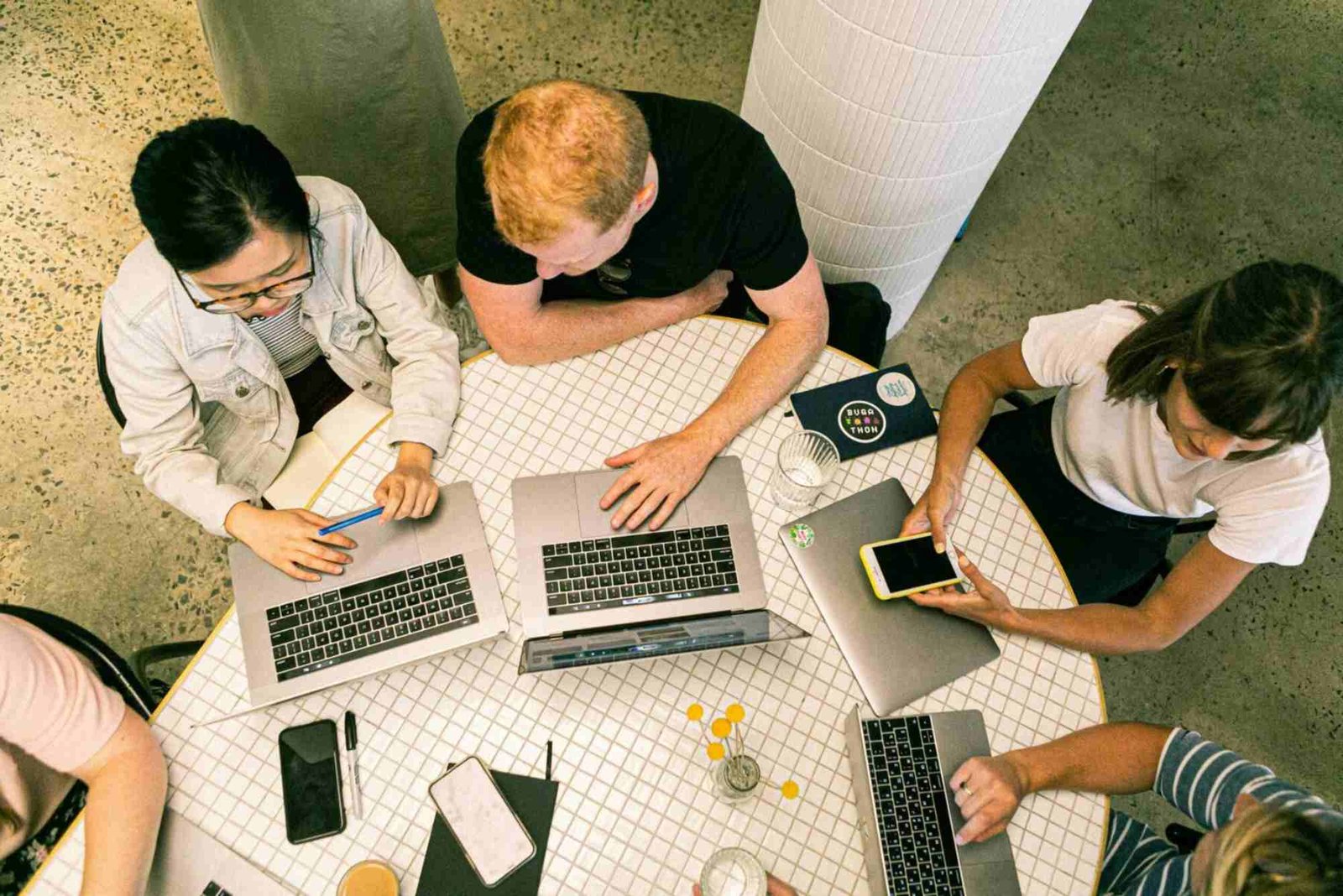
AI enables collaboration between designers, writers, marketers, and developers through shared tools and data-driven insights. Creativity becomes more interdisciplinary and efficient.
Ethical and Legal Challenges of AI in Creativity
Copyright and Ownership Issues
One of the biggest concerns surrounding the influence of AI on the creative industry is ownership. Who owns AI-generated content—the creator, the tool, or the data source?
Copyright laws are still evolving, making it essential for creators to understand licensing and usage rights.
Authenticity and Originality
Critics worry that AI-generated content may dilute originality. However, originality still depends on human intention. AI reflects patterns; humans provide meaning, context, and emotion.
The Influence of AI on Creative Jobs
Will AI Replace Creative Professionals?
AI is more likely to change roles than eliminate them. Routine tasks may decline, but demand for creative direction, storytelling, and strategic thinking is growing.
The influence of AI on the creative industry favors adaptable professionals who learn to work alongside technology.
New Career Opportunities
AI has created new roles such as prompt designers, AI art directors, creative technologists, and ethical consultants. Creativity is expanding into new territories rather than shrinking.
AI and the Future of the Creative Industry
Human Creativity Remains Central
Despite rapid advancements, AI lacks lived experience, cultural intuition, and emotional depth. The influence of AI on the creative industry reinforces—not replaces—the value of human creativity.
What the Next Decade May Look Like
In the coming years, AI will become more personalized, context-aware, and collaborative. Creators who embrace AI as a tool—not a threat—will shape the future of creative expression.
FAQs
How is AI influencing the creative industry today?
AI influences the creative industry by speeding up workflows, generating ideas, automating technical tasks, and enabling new forms of artistic collaboration across design, music, writing, and film.
Can AI replace human creativity?
No. AI can assist and inspire, but human creativity—driven by emotion, experience, and cultural understanding—remains essential.
Is AI-generated art considered original?
AI-generated art can be original in form, but it depends on training data and human input. Legal and ethical definitions of originality are still evolving.
What are the risks of AI in creative industries?
Key risks include copyright confusion, over-reliance on automation, and reduced diversity if tools rely on limited datasets.
How can creatives adapt to AI tools?
Creatives can adapt by learning AI-assisted workflows, focusing on conceptual thinking, and using AI as a collaborator rather than a replacement.
The influence of AI on the creative industry is not about humans versus machines—it’s about collaboration. AI enhances speed, expands possibilities, and removes technical barriers, while humans provide vision, emotion, and meaning.
The Development of Automation Technology in Industry has revolutionized production by integrating machines, robotics, and AI to perform tasks faster and more accurately. This technology reduces human error, lowers costs, and increases efficiency, enabling industries to meet growing demands while improving safety and consistency in manufacturing processes worldwide.