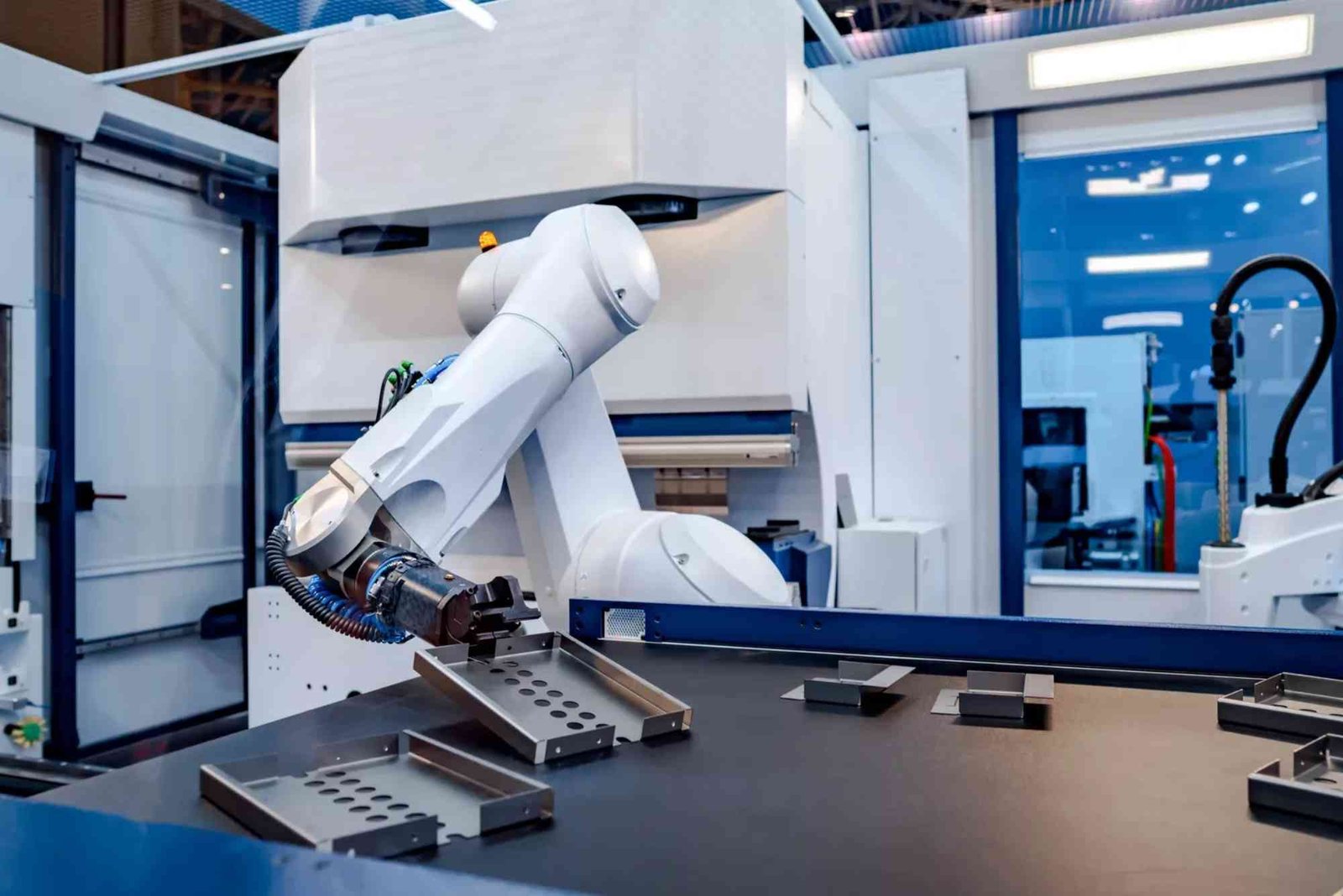
Robotics technology has transformed the way humans live, work, and interact with machines. From simple mechanical devices to advanced artificial intelligence-powered robots, this field has progressed at an extraordinary pace. Today, robotics plays a vital role in manufacturing, healthcare, space exploration, and even everyday life. Understanding the development of robotics technology helps us appreciate how far humanity has come and where the future is headed.
The Origins of Robotics Technology
The journey of robotics began centuries ago with early mechanical inventions. Ancient civilizations created automata, simple machines that performed tasks automatically. For example, in Greece and China, inventors designed mechanical birds, water clocks, and other self-operating devices. These early efforts laid the foundation for thinking about machines as helpers rather than tools.
The term “robot” itself was popularized in the 20th century. In 1921, Czech writer Karel Čapek introduced the word in his play R.U.R. (Rossum’s Universal Robots). The concept represented artificial beings capable of performing human-like tasks. This idea inspired engineers and scientists to explore practical applications of robots beyond fiction.
Industrial Revolution and Early Automation
The Industrial Revolution marked a turning point in the development of robotics. Factories began using machines for repetitive tasks, reducing human labor and increasing efficiency. Early automation involved mechanical arms, conveyor belts, and basic programmable machines. While these were not robots in the modern sense, they demonstrated the potential of technology to perform complex work.
By the mid-20th century, engineers developed the first true industrial robots. In 1961, Unimation introduced the Unimate, a robotic arm designed to lift hot metal in manufacturing plants. This invention revolutionized assembly lines and set the stage for widespread industrial automation.
Advancements in Robotics in the Late 20th Century
The late 20th century witnessed rapid innovation in robotics technology. Computers and microprocessors enabled precise control of robotic movements. Engineers began designing robots capable of performing more sophisticated tasks, including welding, painting, and handling delicate components.
During this period, research in artificial intelligence also influenced robotics development. Machines began to analyze data, learn patterns, and make decisions. Robots were no longer limited to rigid pre-programmed tasks; they could adapt to changing environments. This combination of robotics and AI opened new possibilities in both industrial and personal applications.
Medical and Service Robotics
One of the most significant developments in recent decades is the application of robotics in medicine and services. Surgical robots, such as the da Vinci Surgical System, allow surgeons to perform precise operations with minimal invasiveness. These technologies reduce recovery time, minimize errors, and improve patient outcomes.
Service robots have also emerged in sectors such as hospitality, logistics, and cleaning. Autonomous vacuum cleaners, delivery drones, and hotel robots showcase how robotics improves convenience and efficiency in daily life. These innovations demonstrate the shift from purely industrial uses to consumer-oriented robotics.
Robotics in Space Exploration
Robotics technology has played a critical role in exploring space. From the early days of satellite deployment to interplanetary missions, robots have expanded human capabilities beyond Earth. Rovers like NASA’s Curiosity and Perseverance explore the Martian surface, conducting experiments that would be impossible for humans to perform.
Robotic arms and automated systems on the International Space Station assist astronauts in performing complex tasks in a microgravity environment. Space robotics highlights how advanced technology allows humans to extend their reach and achieve scientific milestones in extreme conditions.
Artificial Intelligence and Autonomous Robotics
Modern robotics development heavily relies on artificial intelligence and machine learning. AI enables robots to perceive their environment, process information, and make independent decisions. Autonomous vehicles, drones, and industrial robots now use AI algorithms to navigate, avoid obstacles, and optimize efficiency.
Humanoid robots, such as those developed by companies like Boston Dynamics and Honda, demonstrate remarkable agility and cognitive capabilities. They can walk, run, carry loads, and interact with humans naturally. This integration of robotics and AI is a major step toward intelligent machines that coexist with humans in various settings.
Robotics in Manufacturing and Industry 4.0
The fourth industrial revolution, or Industry 4.0, has accelerated robotics adoption in manufacturing. Smart factories use robots alongside IoT (Internet of Things) devices to create efficient, connected production systems. These robots can collaborate with humans, monitor operations, and adapt to new tasks quickly.
Robotic automation reduces errors, improves safety, and boosts productivity. It allows manufacturers to meet growing demand while maintaining quality standards. As robotics technology continues to evolve, factories will increasingly rely on intelligent machines to perform complex tasks in real-time.
Challenges in Robotics Development
Despite its rapid growth, robotics technology faces several challenges. One major issue is cost. Advanced robots are expensive to design, produce, and maintain, which limits accessibility for smaller businesses and developing countries.
Ethical concerns also arise. As robots take on more human-like roles, questions about job displacement, decision-making, and privacy become critical. Ensuring safety and trust in autonomous systems is essential to widespread adoption.
Technical challenges persist as well. Creating robots with advanced perception, dexterity, and reasoning requires significant research and development. Engineers must balance efficiency, adaptability, and affordability to make robotics technology practical for everyday use.
The Future of Robotics Technology
The future of robotics is both exciting and transformative. Experts predict that robots will play a central role in healthcare, education, agriculture, and smart cities. Collaborative robots, or cobots, will work alongside humans, enhancing productivity without replacing human workers.
AI advancements will allow robots to understand natural language, recognize emotions, and interact more intuitively with people. With continuous miniaturization and improved energy efficiency, robots will become more versatile and affordable. The integration of robotics with virtual reality, augmented reality, and cloud computing will unlock new applications across industries.
The development of robotics technology will also impact society. Education systems will need to train individuals to work with robots and AI. Businesses will need to adapt to automation trends while fostering creativity and human skills. Policymakers will play a crucial role in regulating ethical and safe robot usage.
Robotics technology has evolved from simple mechanical devices to intelligent, autonomous machines that touch nearly every aspect of human life. The journey of robotics showcases human ingenuity, scientific progress, and the endless possibilities of innovation. As robots become smarter and more capable, they promise to enhance productivity, improve quality of life, and open new frontiers for exploration and discovery.
Staying informed about robotics development is essential for professionals, businesses, and society as a whole. Embracing this technology responsibly ensures a future where humans and robots collaborate harmoniously. Explore the latest advancements in robotics and witness how this exciting field continues to shape our world.
If you are passionate about technology and innovation, stay updated on robotics breakthroughs. Consider learning robotics programming or following global research projects to be part of this transformative journey.
Discover a world of insightful content, helpful guides, and engaging articles at Nusly. Whether you’re exploring travel tips, lifestyle ideas, or the latest trends, Nusly is your go-to resource for inspiration and knowledge. Visit the homepage now to start your journey:
FAQs
What is the history of robotics?
Robotics dates back to ancient automata, but modern robotics began in the 20th century with industrial robots like the Unimate.
How are robots used in medicine?
Robots assist in surgeries, rehabilitation, and diagnostics, improving precision and patient outcomes.
What is AI’s role in robotics?
AI enables robots to perceive environments, learn, and make autonomous decisions for more complex tasks.
How do robots impact manufacturing?
Robots improve efficiency, reduce errors, and work collaboratively with humans in smart factories.
What is the future of robotics technology?
Robots will expand in healthcare, industry, education, and daily life, becoming smarter, safer, and more interactive.
Are robots replacing human jobs?
While automation affects certain roles, collaborative robots enhance human productivity rather than replace all jobs.