Regular maintenance is often overlooked, whether in homes, vehicles, or machinery. Many people assume that if something is working fine, it doesn’t need attention. However, this mindset can lead to costly repairs, dangerous situations, and decreased efficiency. Ignoring maintenance might save time initially, but it can create far bigger problems in the long run. Understanding the risks of skipping regular upkeep is essential for safety, cost management, and peace of mind.
Increased Risk of Breakdowns and Failures
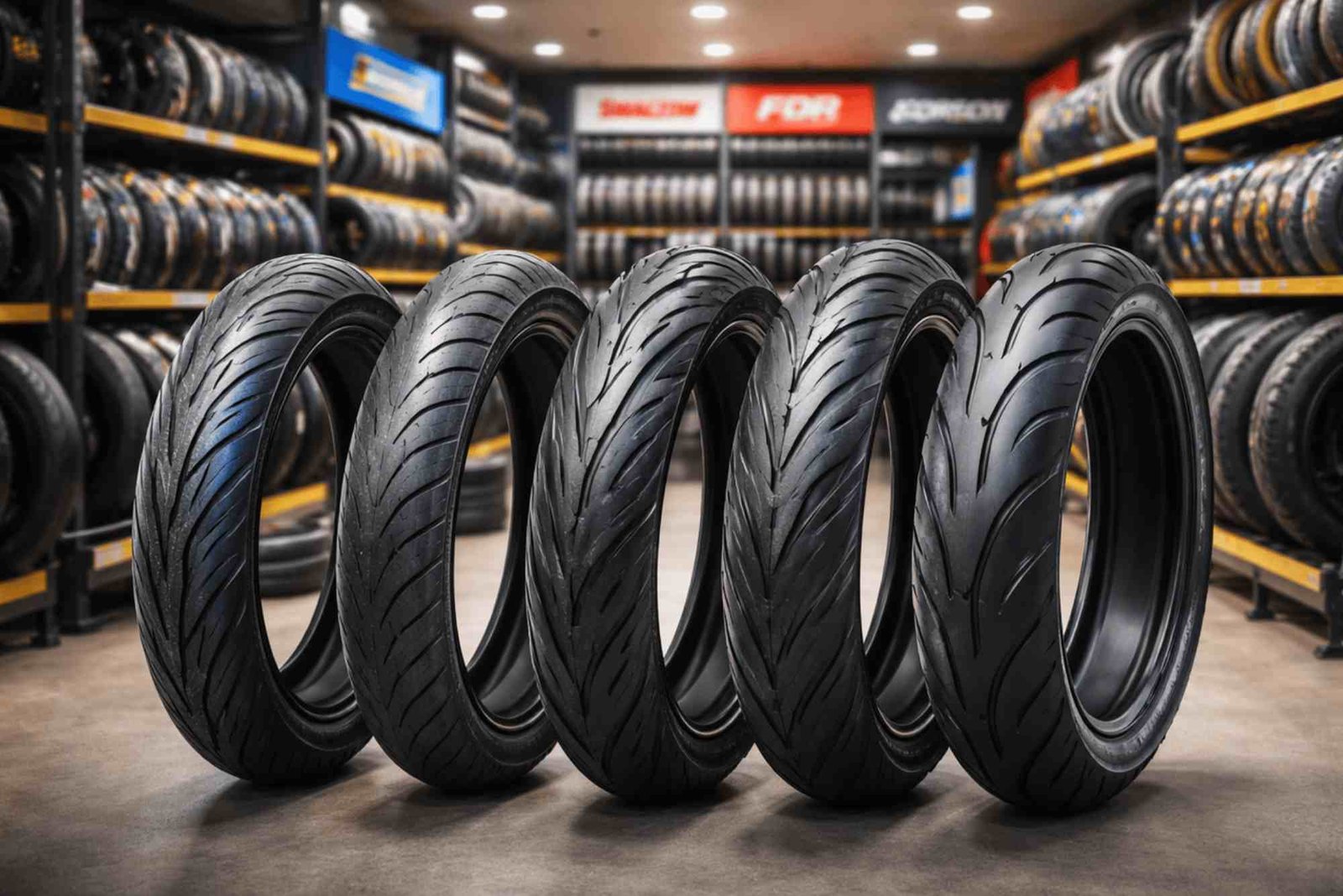
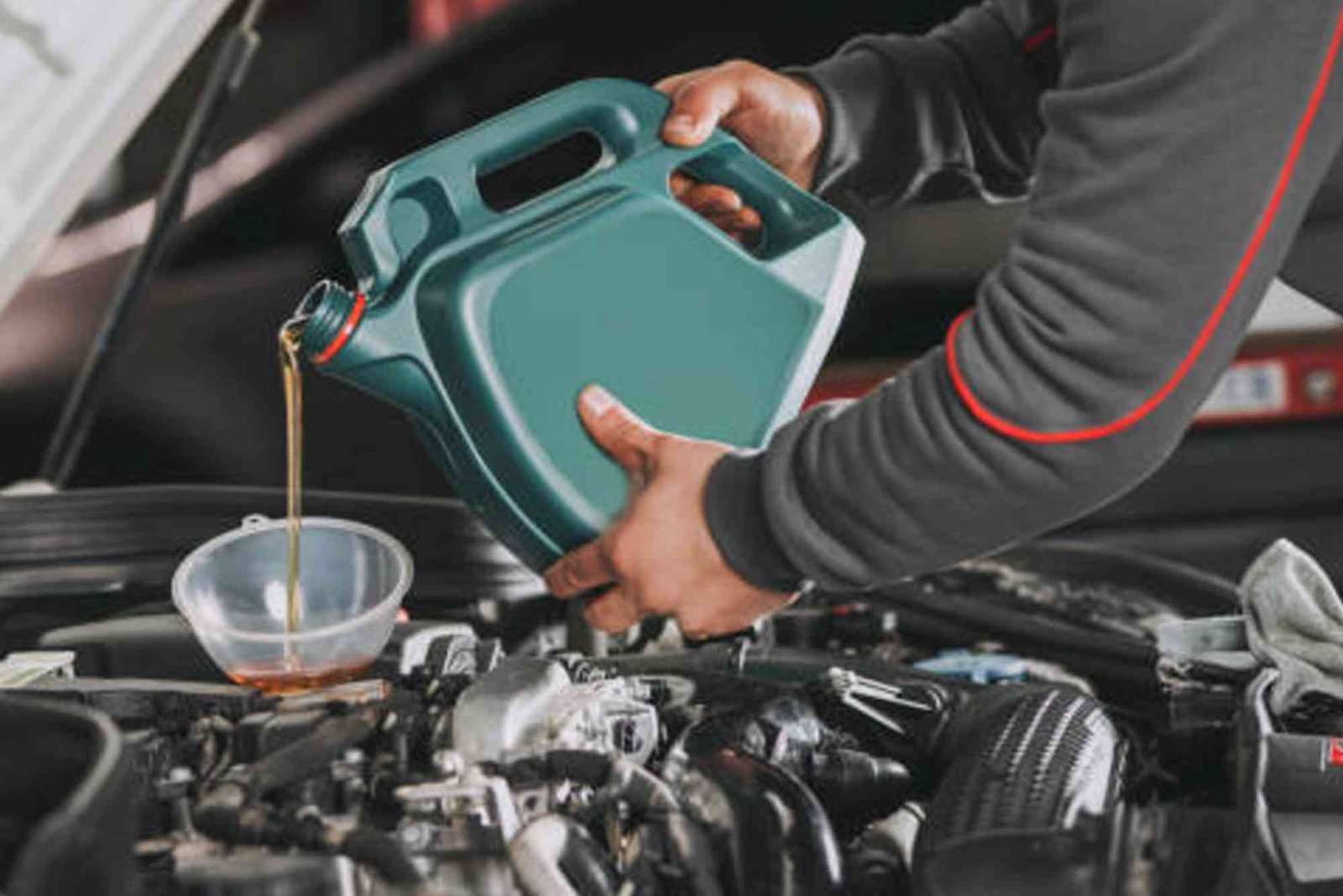
Machines, vehicles, and home systems rely on consistent care to function correctly. Without routine inspections and maintenance, minor issues can escalate quickly. What starts as a small leak or worn-out part can lead to complete system failure. For instance, neglecting car maintenance such as oil changes or tire checks may result in engine breakdown or accidents. Similarly, ignoring HVAC maintenance in homes can cause sudden heating or cooling failure, leaving residents uncomfortable and incurring emergency repair costs. Routine maintenance ensures early detection of potential issues before they become critical problems.
Higher Repair Costs Over Time
One of the most noticeable dangers of skipping maintenance is the rising cost of repairs. Small issues that could have been fixed cheaply often turn into expensive replacements. For example, a clogged air filter in an air conditioning system may damage the motor if left unattended, resulting in a much larger repair bill. Vehicles and industrial equipment behave the same way. Regular maintenance spreads the cost over time, preventing large, unexpected expenses that can disrupt budgets. Ignoring this principle can lead to financial strain, especially for those relying on essential systems for daily living or business operations.
Decreased Efficiency and Performance
Equipment and systems naturally perform better when maintained. Engines run smoother, appliances consume less energy, and machines operate more efficiently when regularly serviced. Without maintenance, performance gradually declines. A neglected furnace may use more energy to heat a room, leading to higher utility bills. A car with misaligned wheels will wear tires unevenly and reduce fuel efficiency. In industrial settings, poorly maintained machinery slows production and increases errors. The cumulative impact of decreased efficiency may be significant over time, affecting both finances and productivity.
Safety Hazards and Accidents
Neglecting maintenance is not just an inconvenience; it is a safety risk. Mechanical failures can result in serious accidents, injuries, or even fatalities. For example, worn brakes, faulty electrical wiring, or broken machinery can cause unexpected hazards. In homes, failing smoke detectors, leaking gas lines, or unstable structures may pose significant threats to residents. In vehicles, ignoring routine checks like tire pressure or brake pads can lead to life-threatening accidents. Regular maintenance reduces these risks by ensuring that all systems are functioning safely and correctly.
Shortened Lifespan of Equipment
Everything from vehicles to home appliances has a lifespan influenced by maintenance. Neglecting care accelerates wear and tear, reducing the overall life of the equipment. For example, regular oil changes extend the life of a car engine, while cleaning and servicing HVAC systems prevent premature failure. Industrial machinery that isn’t lubricated or inspected regularly often needs replacement sooner than expected. The costs of frequent replacements outweigh the small effort needed for routine maintenance, making it financially wise to stay consistent with upkeep.
Environmental Impacts
Lack of maintenance can also harm the environment. Vehicles that are not regularly serviced produce more emissions, contributing to air pollution. Industrial equipment that leaks fluids or consumes excessive energy increases environmental footprints. Even household systems, such as water heaters or air conditioning units, become less efficient when ignored, wasting resources. Performing maintenance reduces environmental impact while promoting sustainability, aligning with modern efforts to conserve energy and protect natural resources.
Impact on Property Value
For homeowners, skipping maintenance can significantly affect property value. A home with aging, poorly maintained systems is less attractive to buyers and may require expensive repairs before selling. Plumbing leaks, damaged roofing, and neglected HVAC systems can reduce market value. Regular upkeep ensures that a property remains in good condition, preserving or even enhancing its value over time. This is especially important for those planning to sell in the future or secure insurance coverage.
Stress and Inconvenience
Unexpected breakdowns caused by lack of maintenance create stress and inconvenience. Imagine arriving at work only to find your car won’t start, or returning home to a flooded basement from a failed sump pump. These situations disrupt daily routines and require urgent attention, often at higher costs than planned maintenance. Maintaining systems regularly minimizes surprises and ensures smoother operations, reducing anxiety and improving overall quality of life.
Long-Term Financial Consequences
The cumulative financial impact of neglected maintenance is considerable. Costs include emergency repairs, higher utility bills, decreased resale value, and potential accident-related expenses. Businesses that ignore machinery upkeep may face production delays, lost revenue, and employee safety risks. Individuals who skip vehicle or home maintenance encounter similar financial burdens. In contrast, preventive maintenance spreads expenses, avoids costly emergencies, and protects long-term investments, making it a financially responsible practice.
Preventive Measures and Tips
While the dangers of skipping maintenance are significant, preventing these risks is straightforward. Start by creating a maintenance schedule for all essential systems, including vehicles, appliances, and home infrastructure. Keep a checklist to track inspections, servicing, and replacements. Regularly consult user manuals or manufacturer guidelines to ensure compliance with recommended procedures. Investing in professional services for specialized equipment, such as HVAC or industrial machinery, can prevent oversight. Adopting these habits reduces risks, extends equipment life, and enhances safety and efficiency.
Neglecting regular maintenance can have serious consequences, ranging from costly repairs to safety hazards. Early detection of minor issues prevents emergencies, protects investments, and ensures optimal performance. Efficiency, environmental sustainability, and property value are also positively impacted by consistent upkeep. Establishing a routine maintenance schedule is a simple yet highly effective strategy to reduce risks, save money, and enjoy peace of mind. Don’t wait for a breakdown to take action; prioritize regular maintenance today and safeguard your assets for the future. Schedule your next maintenance check today and experience the benefits of a safer, more efficient, and longer-lasting system. Regular care is the key to avoiding costly surprises.
If you want to ensure your vehicle remains safe and comfortable to drive, it’s important to check the condition of your car’s suspension regularly. A well-maintained suspension system improves handling, reduces wear on other components, and prevents unexpected breakdowns. For a step-by-step guide on how to inspect and maintain your car’s suspension, you can read more in this guide on how to check the condition of a car’s suspension.
FAQ
Q1: How often should I perform regular maintenance on my vehicle?
Most vehicles benefit from servicing every 5,000 to 10,000 miles, depending on manufacturer guidelines. Regular oil changes, tire checks, and brake inspections are crucial.
Q2: What are the signs that equipment needs maintenance?
Unusual noises, decreased performance, leaks, or higher energy consumption are clear indicators. Early attention prevents more serious damage.
Q3: Can neglecting home maintenance affect insurance?
Yes, insurance claims may be denied for damages caused by neglect. Regular upkeep ensures coverage remains valid and reduces claim disputes.
Q4: Is preventive maintenance cost-effective?
Absolutely. Preventive maintenance is usually far cheaper than emergency repairs or complete system replacements, saving money over time.
Q5: Does regular maintenance improve safety?
Yes, it significantly reduces the risk of accidents, mechanical failures, and hazardous situations by ensuring all systems function correctly.
Q6: What maintenance should I perform at home regularly?
Check plumbing, electrical systems, HVAC units, smoke detectors, and appliances. Seasonal inspections help prevent long-term issues.
Q7: How can businesses implement effective maintenance?
Create a scheduled maintenance plan, train staff on routine checks, and use specialized professionals for complex machinery to reduce downtime and increase safety.