Introduction
In the contemporary art world, photography has evolved far beyond simple documentation. Photography art as a medium of modern expression captures emotions, tells stories, and reflects cultural and social landscapes in ways no other art form can. Unlike traditional painting or sculpture, photography has the unique ability to freeze moments in time, combining technical precision with creative vision. Its versatility allows artists to experiment with light, perspective, and composition, making it an essential language of modern visual storytelling.
The Evolution of Photography as an Art Form
Photography has transformed dramatically since its invention in the early 19th century. Initially, it served primarily as a method for capturing realistic representations of people, places, and events. Early photographers were limited by technology, but as cameras and photographic techniques advanced, artists began using the medium to convey abstract concepts and emotional depth.
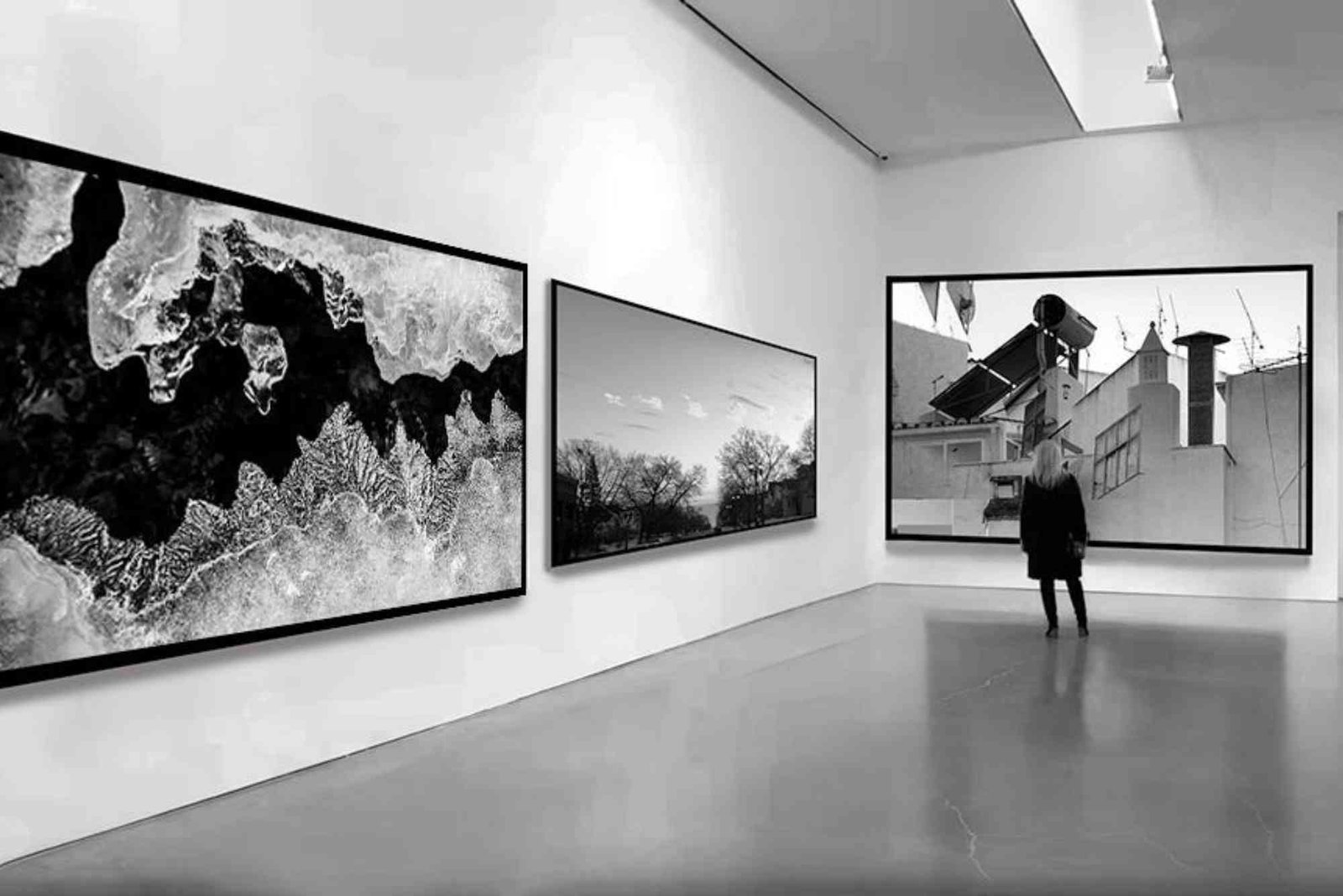
Modern photographers like Cindy Sherman, Andreas Gursky, and Annie Leibovitz have pushed the boundaries of photography art as a medium of modern expression. Sherman’s staged portraits explore identity and social norms, Gursky’s large-scale cityscapes highlight globalization and consumer culture, and Leibovitz’s celebrity portraits convey narratives through composition and lighting. These artists demonstrate how photography is not just about capturing reality—it is a tool for interpretation and commentary.
The Unique Qualities of Photography Art
Capturing the Ephemeral
One of photography’s greatest strengths is its ability to preserve fleeting moments. A single image can convey an entire story in an instant, making it a powerful medium of modern expression. Unlike other art forms that require prolonged creation, photography can respond to life’s immediacy. A photograph of a street scene, a fleeting gesture, or a candid expression can evoke emotions that resonate deeply with viewers.
Bridging Reality and Imagination
Photography allows artists to balance realism and creativity. Through techniques like long exposure, double exposure, and digital manipulation, photographers can create surreal, dreamlike images. This ability to transform reality into imaginative visions expands the possibilities of artistic expression. Contemporary photographers often blend documentary styles with abstract techniques, challenging viewers to question what they see and interpret their own meaning.
Accessibility and Democratization
Unlike other art forms, photography is accessible to many. With the rise of digital cameras and smartphones, more people than ever can explore photography as a medium of modern expression. Social media platforms such as Instagram and Pinterest have democratized visual storytelling, allowing artists to reach global audiences instantly. This accessibility has led to a surge in creative experimentation and innovation, pushing the boundaries of photography as a cultural force.
Photography as Social Commentary
Photography art often serves as a reflection of society. Photojournalism and conceptual photography are powerful tools for social commentary. Artists use photography to highlight political issues, environmental concerns, and human rights struggles, creating images that resonate with urgency and empathy.
For instance, Dorothea Lange’s iconic Depression-era photographs documented the struggles of displaced families, while contemporary photographers use visual narratives to address climate change, migration crises, and social inequality. Photography’s immediacy allows it to engage viewers in ways that traditional essays or speeches cannot, offering both aesthetic and ethical impact.
Emotional and Psychological Expression
Photography also allows for profound emotional expression. Through careful composition, lighting, and subject choice, artists convey moods and states of mind. Portrait photography can reveal personality and vulnerability, while landscape photography can evoke solitude, awe, or nostalgia. The emotional resonance of a photograph makes it a uniquely personal yet universally understood form of modern expression.
Experimentation and Innovation
Modern photography thrives on experimentation. Photographers now use drones, 3D imaging, and virtual reality to expand creative boundaries. The fusion of traditional photographic techniques with cutting-edge technology has opened new avenues for storytelling. Light painting, motion blur, and digital collage techniques illustrate the endless possibilities of photography art as a medium of modern expression.
Photography and Cultural Identity
Photography is a mirror of cultural identity, capturing traditions, rituals, and lifestyles across the globe. Ethnographic photography, street photography, and travel photography document diverse human experiences while also interpreting them through the artist’s perspective. By presenting cultural narratives visually, photography fosters empathy, understanding, and appreciation of global diversity.
At the same time, photographers often challenge stereotypes and question societal norms. They can subvert conventional portrayals of communities, offering nuanced perspectives that spark dialogue and reflection. This cultural significance reinforces photography as not only a visual art but also a medium for social awareness and collective memory.
The Role of Digital Media in Modern Photography
The rise of digital technology has revolutionized photography art as a medium of modern expression. Editing software allows photographers to refine images, manipulate colors, and merge multiple photographs to create entirely new realities. Digital media also facilitates wider distribution, enabling artists to connect with audiences across continents without relying on traditional galleries.
Social platforms have transformed photography into a dynamic, interactive form of art. Photographers engage audiences through comments, collaborations, and real-time sharing, making the experience participatory. This interaction encourages creative growth and feedback, fostering a global community of visual storytellers.
Photography in Contemporary Art Markets
The art market increasingly recognizes photography as a valuable and collectible medium. Limited-edition prints, gallery exhibitions, and photography auctions highlight its legitimacy alongside painting and sculpture. Photographers now achieve significant recognition for works that blend technical mastery with conceptual depth.
Collectors and institutions increasingly seek photography that tells compelling stories or addresses pressing social issues. This trend underscores the dual role of photography as both artistic expression and cultural documentation.
Photography art as a medium of modern expression has proven to be remarkably versatile, emotional, and culturally significant. It bridges the gap between reality and imagination, offering a unique platform for storytelling, social commentary, and personal expression. From capturing fleeting moments to exploring global issues, photography continues to shape contemporary visual culture.
For aspiring artists and enthusiasts, exploring photography is not just a hobby—it is a way to communicate, provoke thought, and inspire change. Embracing this medium allows you to document your world, interpret human experiences, and contribute to a vibrant tradition of modern artistic expression.
If you are passionate about visual storytelling, start experimenting with photography today. Capture moments that matter, explore innovative techniques, and share your vision with the world. Photography is more than a tool—it is a language, and your lens can speak volumes.
The Biggest Music Festival That Attracts Tourists draws thousands of music lovers from around the world every year. With an incredible lineup of international artists, vibrant performances, and unforgettable experiences, it has become a must-visit event for fans. From lively stages to immersive cultural activities, this festival offers more than just music—it creates memories that last a lifetime, making it a top destination for tourists seeking excitement and entertainment.
FAQ
What makes photography a modern form of art?
Photography combines technical skill with creative vision, allowing artists to express emotions, tell stories, and comment on society visually.
How does photography reflect culture?
Photographers capture traditions, lifestyles, and social issues, offering viewers insight into diverse cultural perspectives.
Can photography be considered fine art?
Yes, photography is recognized as fine art, with works displayed in galleries, collected by museums, and sold as limited-edition prints.
What techniques enhance photography as an art form?
Techniques such as long exposure, digital manipulation, light painting, and creative composition help photographers express unique artistic visions.
How has digital media changed photography?
Digital tools allow for editing, experimentation, and global sharing, making photography more accessible, interactive, and innovative.
Why is photography emotionally impactful?
Photography captures fleeting moments, expressions, and scenes that evoke feelings universally, making it a deeply resonant art form.