Public transportation is the backbone of any thriving urban area. Efficient transit systems reduce traffic congestion, lower pollution, and enhance the overall quality of life. Yet, many cities struggle with outdated infrastructure, poor planning, and underutilized resources. A more efficient public transportation policy can transform urban mobility, offering economic, environmental, and social benefits.
Understanding the Importance of Efficient Public Transportation
Efficient public transportation provides more than just a way to get from one point to another. It reduces the reliance on private vehicles, which helps decrease greenhouse gas emissions and fossil fuel consumption. Public transport systems also enhance accessibility, allowing more people to reach workplaces, schools, and essential services without the stress of driving. Cities with strong transit policies see fewer traffic jams, lower accident rates, and improved air quality. Moreover, investing in public transportation often stimulates economic growth by increasing mobility for workers and consumers alike.
Key Elements of an Effective Public Transportation Policy
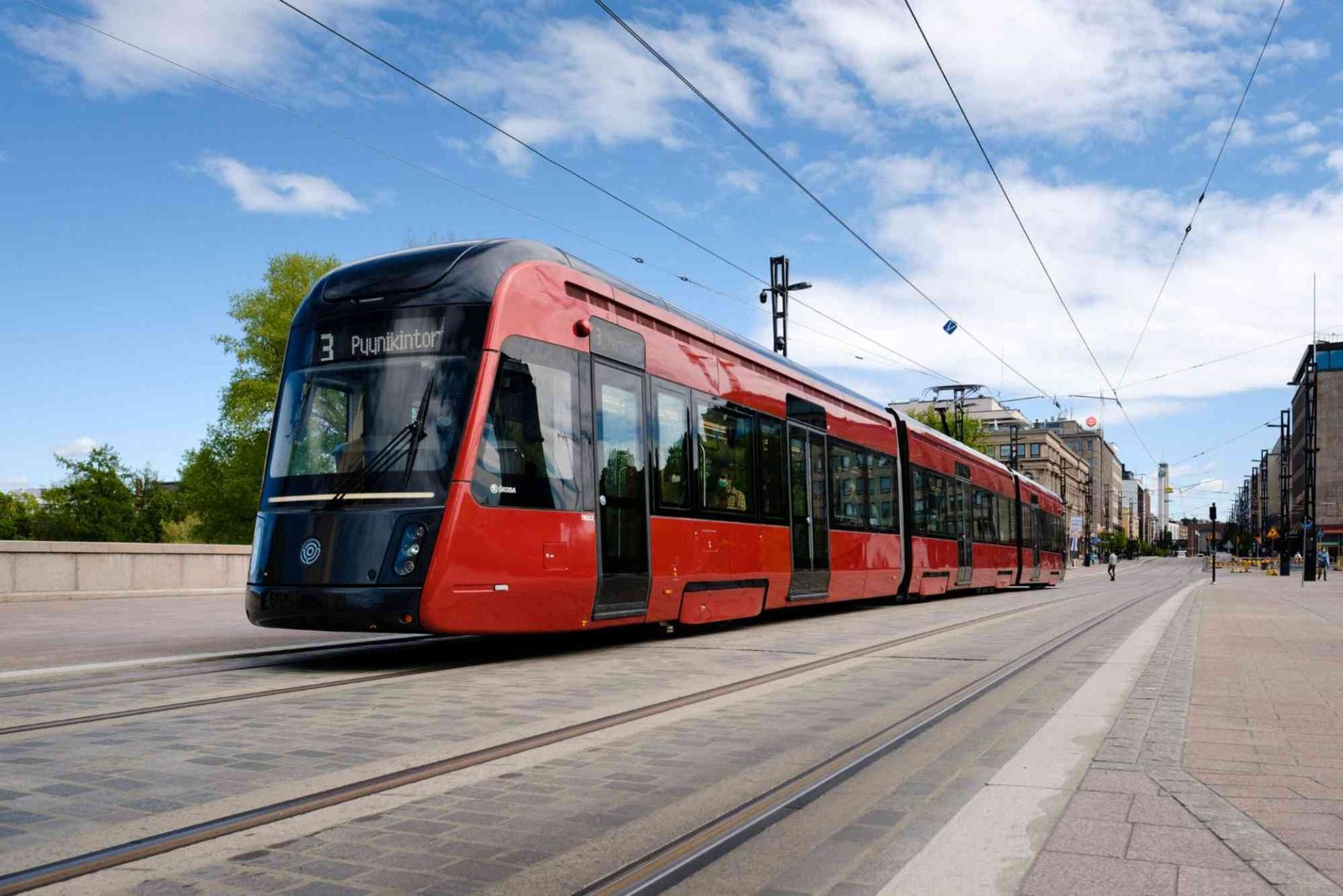
A successful public transportation policy is built on multiple elements that work together. First, infrastructure needs must be addressed. This includes roads, railways, bus lanes, and bike-sharing networks. Modern infrastructure ensures smoother and faster commutes while reducing delays. Next, affordability and accessibility are critical. Policies must guarantee that fares are reasonable for all income groups and that transit stops are reachable within walking distance. Third, technological integration plays a vital role. Digital ticketing, real-time updates, and mobile apps improve user experience and encourage more people to use public transport. Fourth, coordination between different modes of transport, such as buses, trams, and trains, ensures seamless journeys. Lastly, environmental sustainability should be embedded in all planning, including the use of electric vehicles, renewable energy, and efficient route planning.
Enhancing Reliability and Frequency
One of the biggest complaints about public transportation is unreliability. Long waits and inconsistent schedules discourage usage. Efficient policies prioritize higher frequency and consistent service, especially during peak hours. Real-time tracking allows passengers to plan their trips better. Additionally, dedicated bus lanes and priority signaling for public vehicles reduce delays caused by traffic congestion. Policies should also support regular maintenance to prevent breakdowns and minimize service interruptions. A reliable system builds public trust and encourages daily use, which ultimately reduces road congestion.
Encouraging Multimodal Transportation
Modern urban mobility requires a multimodal approach. Policies should integrate buses, trains, trams, bicycles, and even walking paths. For example, bike-sharing programs connected to train stations can solve the “last-mile problem” and make commuting easier. Transit hubs that connect multiple transport modes improve accessibility and convenience. Efficient public transportation policies encourage this integration, making travel seamless and comfortable for passengers. Governments can also promote shared rides and carpooling programs to complement public transport and reduce traffic load further.
Adopting Smart Technologies
Technology is reshaping public transportation worldwide. Smart policies leverage innovations like GPS tracking, mobile ticketing, and AI-driven route optimization. These solutions enhance efficiency, reduce operational costs, and improve customer satisfaction. For instance, predictive maintenance systems help prevent vehicle failures before they occur. Mobile apps allow commuters to plan their trips, check delays, and even pay fares digitally. Moreover, AI can optimize scheduling, ensuring resources are allocated according to demand patterns. Efficient public transportation policies must embrace these technological advancements to remain competitive and attractive to users.
Sustainable and Green Transit Initiatives
Environmental sustainability is a core component of modern public transportation. Cities implementing electric buses, hybrid trains, and low-emission vehicles see significant reductions in air pollution. Green policies also include encouraging non-motorized transport like walking and cycling. Governments can invest in dedicated lanes for electric buses and bicycles, making these options safer and more attractive. Promoting renewable energy usage in transit infrastructure, such as solar-powered stations, further enhances sustainability. Efficient public transportation policies balance convenience with environmental responsibility, reducing the carbon footprint of urban mobility.
Community Engagement and Education
Public support is crucial for the success of any transportation policy. Citizens should understand the benefits of using public transport and how it improves city life. Governments can run awareness campaigns highlighting cost savings, environmental impact, and health benefits. Community feedback mechanisms ensure that policies address real needs and concerns. For instance, residents may suggest adding new routes or extending operating hours. Efficient public transportation policies involve collaboration between planners, commuters, and local communities to create systems that are both functional and widely used.
Funding and Economic Considerations
A well-planned public transportation policy requires adequate funding. Governments must allocate budgets for infrastructure, vehicle procurement, maintenance, and technological upgrades. Public-private partnerships can provide additional resources and expertise. Additionally, pricing strategies should balance affordability for passengers with financial sustainability for transit authorities. Offering subsidies for low-income groups or integrating fare systems with other city services can increase ridership without overburdening taxpayers. Efficient policies ensure that investments generate long-term economic benefits by reducing congestion, boosting productivity, and enhancing quality of life.
Case Studies of Successful Public Transport Policies
Several cities have demonstrated that efficient public transportation policies yield impressive results. Tokyo, Japan, is renowned for its punctual and reliable train system, accommodating millions of daily commuters. Singapore integrates buses, trains, and bike-sharing programs while using smart technology for traffic management. European cities like Copenhagen prioritize bicycles and electric buses, reducing carbon emissions and promoting healthy lifestyles. These examples show that a combination of infrastructure investment, technology, sustainability, and community engagement can create world-class public transit systems.
Challenges in Implementing Efficient Policies
Despite the benefits, cities face challenges in creating more efficient public transportation policies. High initial costs, resistance from car-dependent populations, and bureaucratic hurdles can slow implementation. Aging infrastructure and limited urban space present additional difficulties. Policy makers must navigate political, financial, and social constraints while maintaining public support. Effective strategies include phased implementation, clear communication, and measurable performance metrics to demonstrate progress and gain public trust.
The Role of Data in Decision Making
Data-driven decision-making is essential for efficient public transportation. By analyzing ridership patterns, traffic congestion, and commuter behavior, planners can optimize routes, schedules, and resource allocation. Predictive analytics helps anticipate demand during peak hours or special events. Data also supports better maintenance planning and operational efficiency. By continuously monitoring performance, cities can adapt policies to changing conditions and improve service quality over time. Incorporating data insights ensures that public transportation remains responsive, effective, and sustainable.
A more efficient public transportation policy is a cornerstone of modern urban development. By prioritizing reliability, accessibility, sustainability, and technology integration, cities can reduce congestion, lower pollution, and improve quality of life. Successful policies require collaboration between governments, communities, and private partners, ensuring that public transport meets the needs of all citizens. As urban populations grow, investing in efficient transit systems is no longer optional—it is essential. Citizens, planners, and policymakers must work together to embrace smarter, greener, and more connected mobility solutions. Start advocating for improved public transportation in your city today to create a cleaner, more accessible, and economically vibrant urban environment.
Government transparency is crucial for fostering trust and ensuring public accountability. Citizens have the right to know how decisions are made and resources are used. Learn more about why accountability matters and how it strengthens democracy in this insightful article: Government Transparency and the Importance of Accountability.
FAQs
What makes public transportation efficient?
Efficient public transportation is reliable, frequent, accessible, affordable, and integrated with technology and other transport modes.
How can cities improve public transit without huge investments?
Cities can optimize existing routes, adopt smart technology, encourage multimodal transport, and improve scheduling to enhance efficiency with minimal investment.
Why is sustainability important in public transportation?
Sustainable transport reduces emissions, conserves energy, and promotes healthier lifestyles while maintaining mobility for urban populations.
How does technology enhance public transportation?
Technologies like real-time tracking, AI-driven scheduling, and mobile ticketing improve reliability, efficiency, and commuter convenience.
What role does public engagement play in transit policy?
Community feedback helps policymakers address real needs, improve satisfaction, and increase public transit usage.