The world of film and series production is both fascinating and complex. From a script idea to the final product on screen, every project goes through a carefully structured process. Many viewers enjoy the story and visuals but rarely think about the intricate work behind the scenes. Understanding these production processes can deepen your appreciation for films and series, revealing the dedication, creativity, and technology involved.
The Importance of Pre-Production Planning
Pre-production is the foundation of any film or series. Before cameras roll, several critical tasks are completed to ensure a smooth production. One fascinating fact is that detailed storyboarding can take weeks, sometimes longer than the shooting itself. Storyboards visually map every scene, helping directors, cinematographers, and editors understand the desired shots. Casting is another crucial step. Selecting the right actors can transform a story, and casting directors often audition hundreds of candidates to find the perfect fit. Location scouting also plays a vital role. Teams travel extensively to find the ideal environment that matches the story’s setting.
Budgeting is a surprisingly creative task. Producers carefully allocate funds for sets, costumes, and visual effects. Sometimes, filmmakers negotiate deals with local authorities or businesses to use spaces at a lower cost. This meticulous planning not only saves money but ensures that creative visions are achievable without delays. Pre-production also includes rehearsals, costume design, and script revisions. Each element is refined to prevent issues during the actual shoot, making pre-production a critical stage in bringing stories to life.
Shooting: The Heart of Production
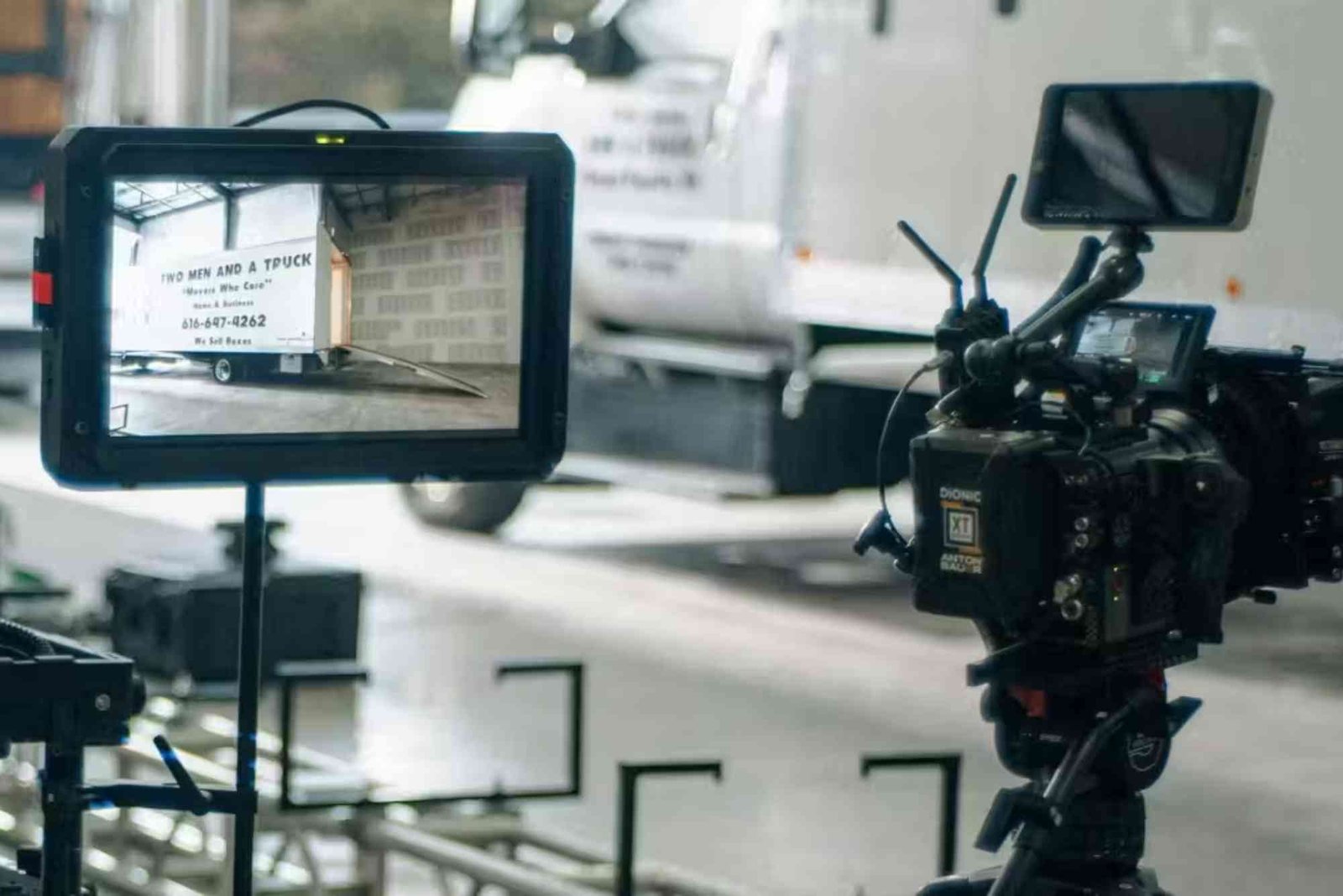
Shooting, or principal photography, is often what people associate with filmmaking. However, there are several behind-the-scenes facts that make this stage unique. For example, a single scene might be shot multiple times from different angles to give editors options during post-production. Lighting plays a huge role, and cinematographers often spend hours perfecting the look of a scene. Special effects are sometimes combined with live-action during filming. Actors may perform in front of green screens while imagining entire worlds around them, which are added digitally later.
Time management on set is another intriguing aspect. Filming schedules are usually strict, and crews work long hours under challenging conditions. Weather can impact outdoor shoots, requiring flexibility and backup plans. Communication is essential, and teams often use walkie-talkies, digital call sheets, and real-time monitoring to keep everything on track. Even small details, like the placement of props or the continuity of costumes, are carefully managed. These details ensure consistency and prevent noticeable errors in the final product.
The Role of Technology in Modern Productions
Technology has transformed how films and series are made. From high-resolution cameras to advanced CGI, filmmakers now have tools that were unimaginable decades ago. Motion capture technology allows actors’ performances to be translated into digital characters, creating lifelike animations in fantasy and sci-fi productions. Drones provide breathtaking aerial shots that used to require helicopters and expensive rigs.
Editing software has also revolutionized the process. Editors can now manipulate scenes with precision, adjusting colors, sounds, and visual effects to achieve the perfect look. Sound design, often overlooked, involves creating ambient noise, foley effects, and layered music tracks to enhance storytelling. Modern productions often blend live-action with digital environments seamlessly, making it hard for viewers to distinguish reality from effects. These technological advances make productions more efficient while opening new creative possibilities.
Post-Production Magic
Post-production is where a film truly comes together. Editors assemble footage, add special effects, and fine-tune audio to craft the final narrative. Color grading is a fascinating part of this process, as it sets the mood for each scene. Even minor adjustments can dramatically change the tone, making a scene appear warmer, colder, or more intense.
Music and soundtracks are another vital element. Composers often create original scores that complement the emotional arcs of the story. Surprisingly, some productions hire multiple composers to experiment with different musical styles. Dialogue replacement is common, too. Actors may re-record lines in a studio to improve clarity or performance. Once editing is complete, films undergo quality checks, ensuring no technical issues remain before release. This stage shows how post-production transforms raw footage into the cinematic experiences audiences love.
Marketing and Release Strategies
Even after production, a film’s success depends on effective marketing. Trailers, posters, social media campaigns, and press tours build anticipation before the release. Some studios strategically release teasers months in advance to generate buzz. Premiere events, influencer partnerships, and press interviews create additional hype.
Distribution has evolved with streaming platforms, giving viewers instant access to series and films worldwide. This shift has led to shorter release windows and simultaneous global launches. Behind the scenes, marketing teams analyze audience demographics, engagement rates, and social media trends to tailor campaigns. Strategic marketing can influence a project’s reception, proving that promotion is as important as production quality.
Challenges in Film and Series Production
Producing films and series is not without challenges. Budget constraints often require creative solutions, like building partial sets or using visual effects instead of expensive locations. Unexpected events, such as weather changes, actor availability, or technical failures, can delay shooting. Directors and producers must remain flexible, adapting plans while maintaining the story’s vision.
Another challenge is balancing artistic creativity with commercial appeal. Filmmakers strive to create meaningful content that also resonates with audiences. Negotiating these aspects requires collaboration between writers, directors, and producers. Even minor miscalculations in timing, lighting, or dialogue can affect the overall quality. Despite these obstacles, successful productions demonstrate the resilience and problem-solving abilities of everyone involved.
Interesting Facts You Didn’t Know
Many fascinating details about production are hidden from viewers. Some films spend years in pre-production before a single frame is shot. Extras, often appearing as crowds, follow strict instructions to maintain continuity. Stunt performers risk their safety to execute complex action sequences, often using advanced rigging systems. Directors sometimes shoot scenes out of sequence, requiring actors to maintain emotional continuity. Additionally, costumes and makeup often undergo multiple revisions to ensure authenticity, especially in historical or fantasy productions. These facts reveal the immense effort behind every frame we see on screen.
Appreciating the Craft
Film and series production is an intricate process requiring creativity, planning, and teamwork. From pre-production planning to post-production magic, every stage contributes to the final experience audiences enjoy. By understanding these behind-the-scenes facts, viewers can appreciate the dedication and skill that goes into creating cinematic worlds. Next time you watch a favorite movie or series, consider the effort behind each scene—the lighting, acting, editing, and sound that bring the story to life.
Are you fascinated by filmmaking? Explore more behind-the-scenes insights, follow industry news, and perhaps try your hand at creating your own cinematic project today.
Discover the latest insights, tips, and updates on technology, lifestyle, and more at Nusly. Stay informed and explore a world of valuable content tailored for curious minds. Visit our home page for fresh articles and resources that keep you ahead in every topic.
FAQs
How long does it take to produce a film or series?
Production timelines vary widely. Films can take a few months to several years, while series often have longer schedules due to multiple episodes.
What is pre-production in filmmaking?
Pre-production is the planning stage. It involves script development, storyboarding, casting, budgeting, location scouting, and rehearsals.
Why do some scenes get shot multiple times?
Multiple takes provide editors with options to select the best performance, camera angle, or lighting for the final cut.
What role does technology play in modern productions?
Technology enables CGI, motion capture, drone shots, and advanced editing, enhancing visual storytelling and efficiency.
How important is marketing for a film or series?
Marketing generates audience awareness and excitement. Strategic campaigns significantly influence a project’s success.
Do actors always perform their own stunts?
No. Stunt performers handle most high-risk actions, ensuring safety while delivering thrilling sequences.