Introduction
Makeup enhances your features, boosts confidence, and completes your look—but knowing how to remove makeup properly is just as important as applying it. Sleeping in makeup or using the wrong removal technique can clog pores, irritate skin, and accelerate premature aging.
In this comprehensive guide, you’ll learn how to remove makeup properly based on your skin type, the products you use, and dermatologist-backed best practices. Whether you wear light foundation or full glam waterproof makeup, this step-by-step guide will help you protect your skin barrier and maintain a healthy glow.
Why It’s Important to Remove Makeup Properly
Understanding how to remove makeup properly goes beyond cleanliness. It directly affects your skin’s long-term health.
Prevents Clogged Pores and Breakouts
Foundation, concealer, and powder mix with oil, sweat, and environmental pollutants throughout the day. If not removed correctly, they block pores and lead to blackheads, whiteheads, and acne.
Reduces Premature Aging
Leaving makeup on overnight weakens collagen and elastin over time. Proper cleansing supports skin renewal and prevents dullness and fine lines.
Protects the Skin Barrier
Aggressive scrubbing or harsh cleansers damage the skin barrier. Learning how to remove makeup properly ensures you clean your skin without stripping its natural oils.
How to Remove Makeup Properly: Step-by-Step Guide
The best method depends on the type of makeup and your skin type. Follow this dermatologist-recommended routine.
Start with an Oil-Based Cleanser
Oil attracts oil. This is why oil-based cleansers effectively break down foundation, sunscreen, and waterproof products.
Why Oil Cleansing Works
- Dissolves long-wear makeup
- Removes excess sebum
- Prevents tugging and friction
Massage the oil cleanser onto dry skin for 60 seconds, focusing on areas with heavy makeup. Add a little water to emulsify, then rinse thoroughly.
Use Micellar Water for Sensitive Areas
Micellar water is ideal for delicate areas like eyes and lips.
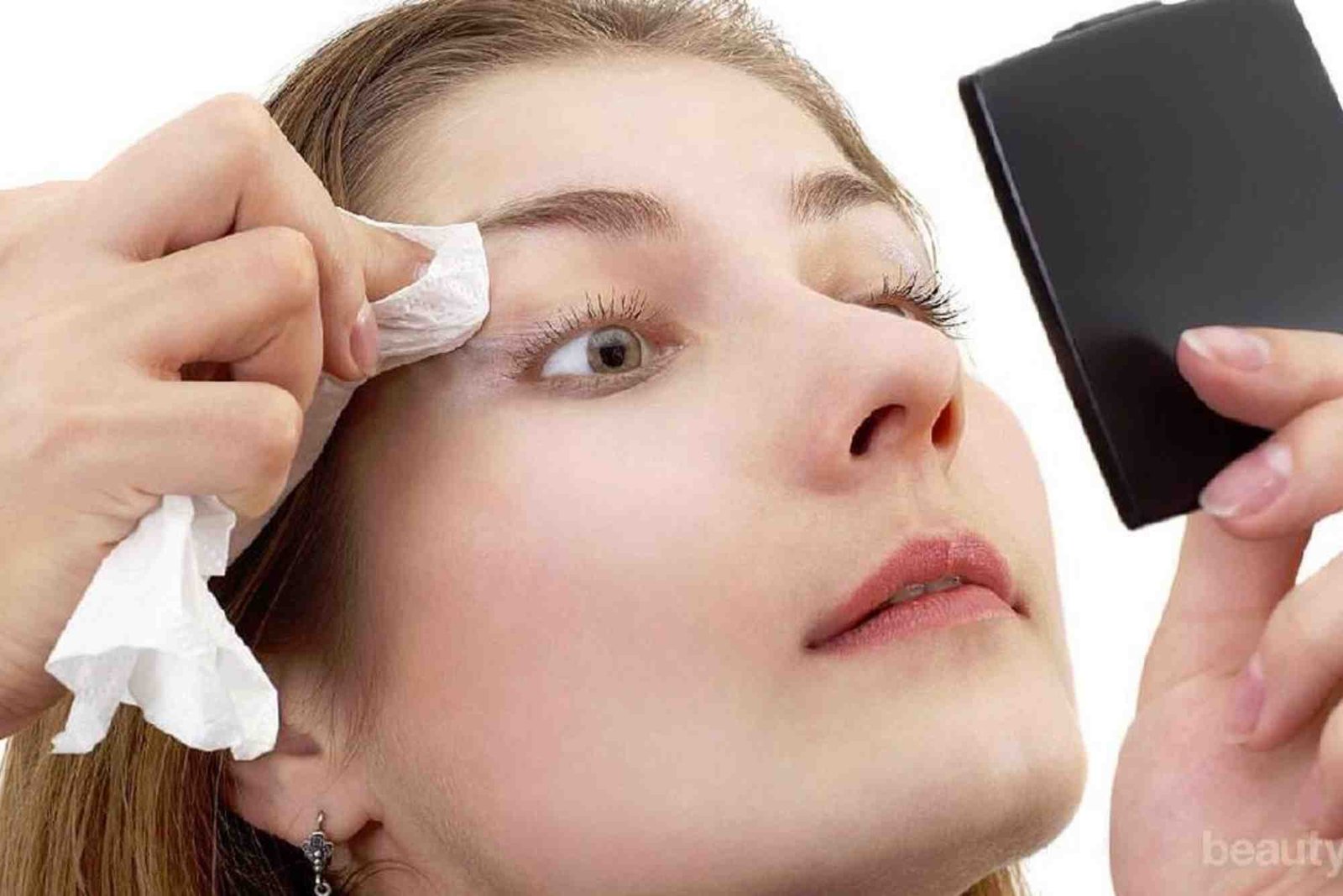
How to Remove Eye Makeup Properly
- Soak a cotton pad with micellar water.
- Press gently on closed eyes for 10–15 seconds.
- Wipe downward without rubbing.
This method helps remove mascara and eyeliner without damaging lashes.
Follow with a Gentle Water-Based Cleanser (Double Cleansing)
Double cleansing ensures all residue is gone.
- First cleanse: Removes makeup
- Second cleanse: Cleans the skin
Choose a gentle, sulfate-free cleanser suitable for your skin type.
Pat Dry and Hydrate Immediately
After cleansing:
- Pat dry with a clean towel
- Apply toner (optional)
- Use serum and moisturizer
Proper hydration restores moisture lost during cleansing.
How to Remove Waterproof Makeup Properly
Waterproof mascara and long-wear lipstick require extra care.
Use a Dedicated Waterproof Makeup Remover
Look for bi-phase removers (oil + water formula). Shake before use to activate.
Avoid Excessive Rubbing
Rubbing stretches delicate skin and causes irritation. Instead:
- Press and hold
- Gently swipe
- Repeat if necessary
Patience is key when learning how to remove makeup properly—especially waterproof formulas.
How to Remove Makeup Properly Based on Skin Type
Different skin types require tailored approaches.
Oily Skin
- Use lightweight oil cleansers
- Follow with foaming cleanser
- Avoid heavy balms
Double cleansing helps control excess oil without over-drying.
Dry Skin
- Use nourishing cleansing balms
- Avoid alcohol-based removers
- Apply moisturizer immediately
Cream-based cleansers work best.
Sensitive Skin
- Choose fragrance-free products
- Avoid wipes with harsh chemicals
- Patch test new removers
Gentle micellar water is often ideal.
Acne-Prone Skin
- Use non-comedogenic products
- Avoid thick oils that clog pores
- Clean makeup brushes weekly
Learning how to remove makeup properly is crucial for preventing breakouts.
Common Mistakes When Removing Makeup
Even with good intentions, many people make these mistakes.
Using Makeup Wipes Alone
Wipes smear makeup around rather than fully removing it. They should be a temporary solution, not your main routine.
Skipping the Hairline and Jawline
Makeup often collects along the edges of the face. Clean these areas thoroughly.
Using Hot Water
Hot water strips natural oils and irritates skin. Use lukewarm water instead.
Rushing the Process
Proper removal takes 2–3 minutes. Skipping steps leads to residue buildup.
Natural Alternatives: Are They Effective?
Some people prefer natural methods when learning how to remove makeup properly.
Coconut Oil
Effective for heavy makeup but may clog pores in acne-prone skin.
Aloe Vera
Gentle but not strong enough for waterproof formulas.
Milk
Traditionally used, but less effective compared to modern cleansers.
Natural options can work, but dermatologically tested removers are generally safer and more reliable.
How Often Should You Remove Makeup?
Every single night—without exception.
Even if you’re exhausted, removing makeup properly prevents:
- Breakouts
- Eye infections
- Irritation
- Premature wrinkles
If needed, keep micellar water and cotton pads by your bedside as a backup.
Expert Tips for Healthier Skin
After years of skincare practice and professional advice, these habits consistently deliver better results:
Clean Your Tools Regularly
Dirty brushes transfer bacteria to your skin.
Avoid Over-Exfoliating
Exfoliate 1–2 times per week only.
Change Pillowcases Weekly
Residual makeup and oil accumulate on fabric.
Don’t Forget Your Neck
Makeup often extends to the neck—clean it thoroughly.
Mastering how to remove makeup properly isn’t complicated—but consistency matters.
FAQs
These questions are based on common Google “People Also Ask” queries.
Is it okay to remove makeup with just water?
No. Water alone cannot dissolve oil-based makeup. You need an oil-based or micellar cleanser to remove makeup properly.
What is the best way to remove makeup naturally?
Oils like coconut or almond oil can help, but they may clog pores. A gentle cleansing balm is usually more effective and safer.
Can I use baby wipes to remove makeup?
Baby wipes are not designed for facial skin. They may cause irritation and don’t remove makeup thoroughly.
How long should I spend removing makeup?
Ideally, 2–3 minutes. Rushing increases the risk of residue and clogged pores.
What happens if I sleep with makeup on?
It can lead to breakouts, dull skin, enlarged pores, and faster skin aging.
Understanding how to remove makeup properly is one of the most important skincare habits you can develop. It protects your skin barrier, prevents breakouts, and keeps your complexion clear and radiant.
Think of makeup removal as an investment in your future skin. A few extra minutes each night can make a visible difference over time.
How to Overcome Hair Loss Naturally: How to Overcome Hair Loss Naturally starts with a balanced diet rich in protein, iron, and vitamins. Gentle scalp massage with natural oils like coconut or rosemary can improve circulation and support healthy growth. Reducing stress, staying hydrated, and avoiding harsh chemicals also help strengthen hair and minimize breakage over time.