Motorcycles are more than just vehicles; they are symbols of freedom, adventure, and passion. However, one of the most common issues every motorcycle owner faces is rust. Rust not only affects the bike’s aesthetics but can also compromise safety and performance. Understanding how to overcome rust on motorcycles is crucial for prolonging the life of your bike and maintaining its value.
Understanding Motorcycle Rust
Rust occurs when metal reacts with oxygen and moisture. Motorcycles, being exposed to the elements, are particularly vulnerable. Even small scratches or chips in paint can allow moisture to reach the metal underneath, accelerating corrosion. Over time, rust can spread from minor spots to critical components such as the frame, exhaust, or fuel tank. Recognizing early signs of rust is the first step in combating it. Common signs include discoloration, rough texture on metal surfaces, and flaking paint.
Preventing Rust Before It Starts
Prevention is always better than cure when it comes to motorcycle rust. Regular maintenance and careful storage play key roles. Keeping your bike dry is essential. If possible, store your motorcycle indoors or use a high-quality weatherproof cover. After riding in the rain or through puddles, make sure to dry the bike thoroughly, paying attention to hidden areas like under the seat and inside the wheel arches. Using anti-rust sprays or coatings on exposed metal parts creates a protective barrier, reducing the chances of oxidation.
Cleaning Your Motorcycle Properly
A clean motorcycle is less prone to rust. Dirt and grime trap moisture, which accelerates corrosion. Use mild soap and water for regular washes, avoiding harsh chemicals that can damage the paint or metal. A soft brush helps reach tight spots, like spokes and engine crevices. After washing, dry the bike completely with microfiber cloths to prevent water spots and ensure no moisture remains in hidden areas. Applying a layer of wax adds a protective coating to painted surfaces, further preventing rust formation.
Removing Light Surface Rust
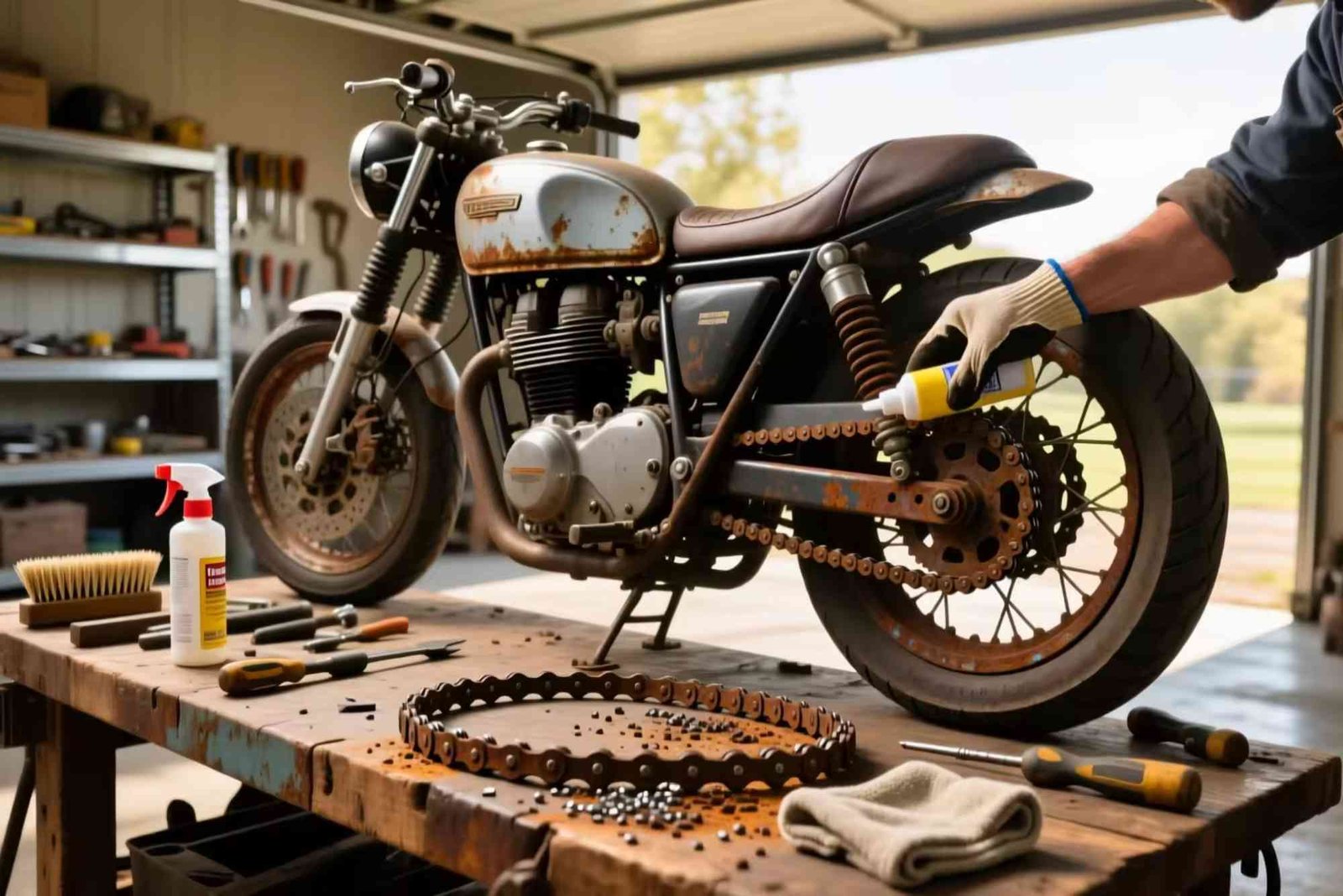
For minor rust spots, simple home remedies can be surprisingly effective. Start with fine-grit sandpaper or a soft steel wool pad to gently scrub the rust away. Avoid aggressive scrubbing, which can scratch the metal. After removing the rust, apply a rust converter or primer to neutralize remaining corrosion. Follow up with paint or clear coat to seal the surface. Regularly inspecting and addressing these minor spots prevents them from becoming major problems.
Dealing with Stubborn Rust
Some areas of your motorcycle may develop deep rust over time. In such cases, chemical rust removers can be helpful. Products containing phosphoric or oxalic acid dissolve rust, allowing you to scrub it off more easily. Always follow manufacturer instructions and wear gloves to protect your skin. For extensive rust on structural components like the frame, professional help may be required. Replacing heavily corroded parts is sometimes safer than attempting repairs that might compromise the bike’s integrity.
Protecting Chrome and Stainless Steel
Many motorcycles feature chrome or stainless-steel components, which require special attention. Chrome is prone to pitting and rust spots if neglected. Use a chrome-specific cleaner and a soft cloth to polish these parts regularly. Stainless steel is more resistant but not invincible. Applying a protective wax or anti-corrosion spray helps maintain the finish and prevent oxidation. Keeping these surfaces clean and dry is the key to long-lasting shine and rust prevention.
Maintaining Your Motorcycle Year-Round
Rust prevention is a year-round effort. During winter or rainy seasons, consider using additional protective measures. Storage in a climate-controlled garage is ideal, but if that isn’t possible, apply thicker protective coatings and keep the bike covered. Regularly check for scratches, chips, or small rust spots, and address them promptly. Seasonal maintenance also includes lubricating moving parts like chains and cables to prevent moisture-induced corrosion. Consistency in these habits ensures your motorcycle remains in excellent condition for years.
Using Protective Gear and Accessories
In addition to cleaning and storing, certain motorcycle accessories can help prevent rust. Fenders, chain guards, and frame covers shield metal surfaces from rain, dirt, and debris. Silicone sprays or anti-corrosion lubricants applied to cables, chains, and exposed bolts further reduce the risk of rust. Even routine riding habits, like avoiding puddles and muddy areas, contribute to long-term protection. Prevention and maintenance work hand in hand to keep rust at bay.
Signs You Need Professional Assistance
While minor rust is manageable at home, certain situations require expert intervention. Rust spreading to the frame, suspension components, or fuel tank can compromise safety. If rust has caused structural weakening or extensive pitting, a professional mechanic can assess whether repair or replacement is necessary. Ignoring severe rust can lead to costly damage and dangerous riding conditions. Consulting an expert ensures your motorcycle remains safe and reliable.
Overcoming rust on motorcycles doesn’t have to be complicated. With regular cleaning, preventive coatings, proper storage, and prompt attention to minor rust spots, you can protect your bike from corrosion and maintain its performance and aesthetics. Remember, prevention is easier than cure. Small efforts like drying after rides, polishing chrome, and using rust-resistant sprays make a big difference over time. A well-maintained motorcycle not only looks great but also retains its value and ensures safe, enjoyable rides for years to come.
Take control of your motorcycle’s condition today. Start incorporating these rust prevention and removal tips into your routine and enjoy a bike that shines and performs like new.
Understanding automotive terms is essential for car enthusiasts and professionals alike. From basic components to workshop jargon, knowing these terms improves communication and maintenance efficiency. Explore a comprehensive list of 50 common automotive terms in our automotive dictionary here.
FAQs
How do I remove rust from a motorcycle chain?
Use a chain-specific cleaner, a soft brush, and lubricant afterward. Regular cleaning prevents corrosion from building up.
Can WD-40 remove rust from motorcycles?
Yes, WD-40 can remove light surface rust and protect metal temporarily, but more severe rust may need chemical removers or sanding.
Is it safe to ride a motorcycle with rust?
Minor surface rust is usually safe, but rust on structural components or brakes can be dangerous. Inspect and repair before riding.
How often should I check my motorcycle for rust?
Inspect your bike every few weeks, especially after rain or winter storage. Early detection prevents serious corrosion.
What’s the best way to store a motorcycle to prevent rust?
Store indoors in a dry area or use a quality waterproof cover. Keep it off damp surfaces and consider anti-corrosion sprays on exposed metal.