Introduction
Looking fashionable isn’t about spending a fortune on designer labels. It’s about understanding how to mix outfits in ways that reflect your personality and highlight your best features. Knowing how to combine colors, textures, and patterns can transform even simple pieces into a cohesive, stylish look. In this guide, you’ll learn practical tips and strategies for mixing outfits to look fashionable, so every day can be a runway-ready moment.
Understanding Fashion Basics
Before diving into outfit mixing, it’s important to understand the foundational elements of fashion.
Colors Matter
Colors can make or break an outfit. Neutral tones like black, white, beige, and navy are easy to mix, while bold colors can make statements. Use the color wheel to pair complementary colors or create contrast. For example, blue and orange create vibrant, eye-catching combinations.
Balance Patterns and Textures
Mixing patterns can be tricky, but it’s doable with some strategy. Pair a bold print with a subtle one or balance textures like silk with denim. The key is to avoid overwhelming your outfit—let one statement piece shine while the others support it.
Fit is Everything
No matter how great the colors or patterns, an ill-fitting piece will ruin the look. Tailored clothing elevates any outfit, making even basic pieces appear chic and fashionable.
Mix Outfits Fashionably
Learning how to mix outfits is about understanding combinations, not following rules rigidly. Here’s a step-by-step approach.
Start with a Neutral Base
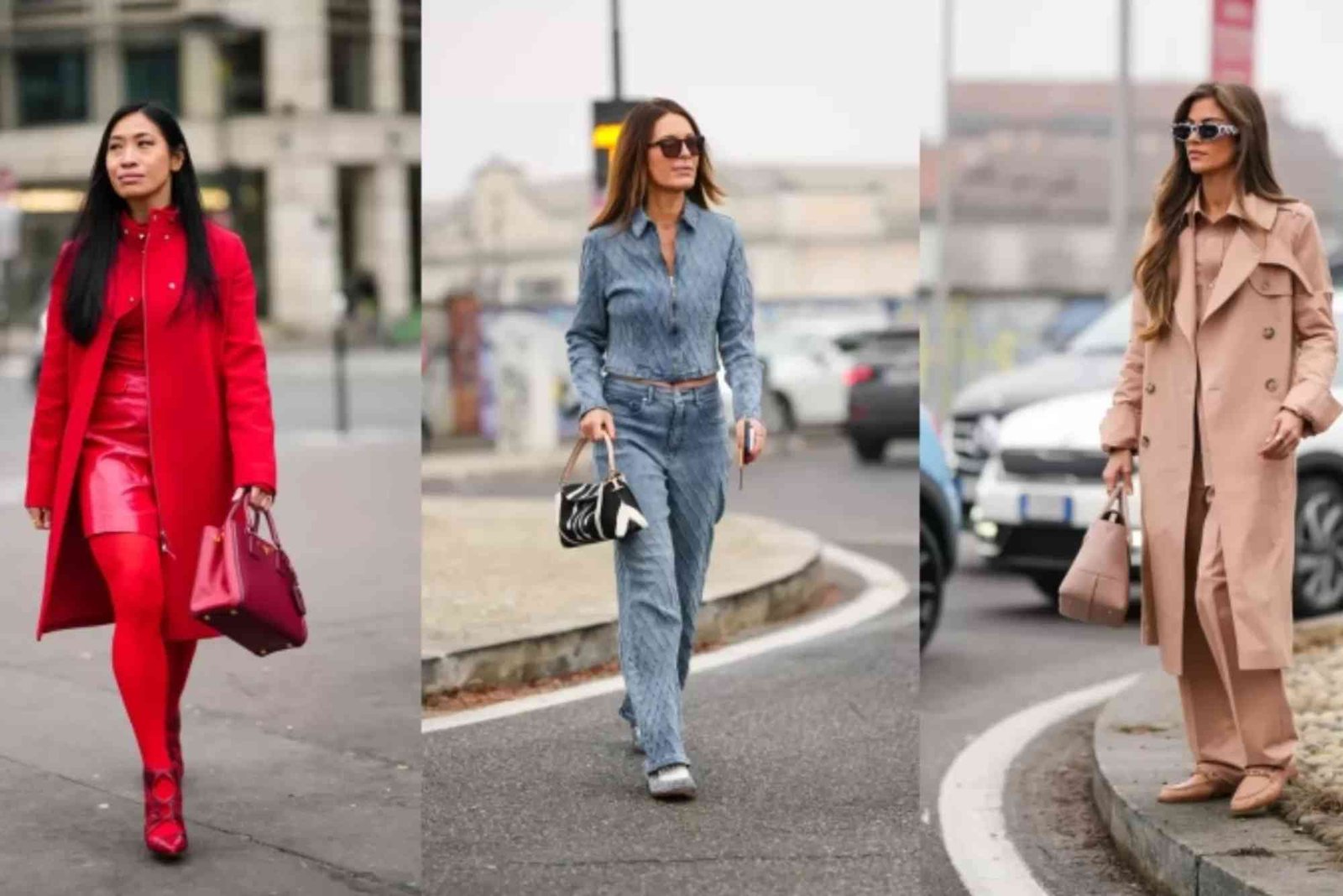
Neutral pieces like black trousers, white shirts, or beige coats provide a blank canvas. They allow you to experiment with accessories, patterns, and statement colors without clashing. For example, pair a simple white t-shirt with patterned trousers and bold shoes.
Add Statement Pieces
A statement piece is an item that draws attention. It could be a printed jacket, a brightly colored handbag, or unique shoes. When mixing outfits, limit statement pieces to one or two per look to avoid a cluttered appearance.
Mix Textures
Layering different textures can elevate an outfit instantly. Combine leather, silk, denim, or knits to add depth. For instance, a chunky knit sweater over a silk slip dress creates a stylish contrast that feels intentional and fashion-forward.
Experiment with Patterns
Patterns like stripes, polka dots, or florals can be mixed if done carefully. Stick to one dominant pattern and use a secondary, subtler pattern to complement it. Stripes paired with small polka dots in similar color tones often create a chic, cohesive look.
Accessorize Strategically
Accessories complete your outfit. Scarves, hats, belts, and jewelry can introduce colors or textures that enhance your look. When mixing outfits, use accessories to tie pieces together or highlight your statement item.
Outfit Ideas to Inspire
Here are some practical examples to help you mix outfits effectively.
Casual Day Out
Pair a denim jacket with a floral dress and ankle boots. Add a crossbody bag in a neutral shade to tie the look together.
Office Chic
Combine tailored trousers with a silk blouse and structured blazer. A statement necklace or earrings add a fashionable edge without being too flashy.
Evening Glam
Mix a satin skirt with a chunky knit top for contrast. Complete the look with heeled sandals and a clutch. This combination balances elegance with casual sophistication.
Common Mistakes When Mixing Outfits
Understanding what to avoid is just as important as knowing what to do.
Overdoing Patterns
Too many patterns can clash and appear chaotic. Stick to one or two complementary patterns per outfit.
Ignoring Proportions
Mixing oversized items with tight-fitting pieces is a powerful technique, but ignoring balance can make your outfit look sloppy. Pair loose with fitted pieces to maintain a harmonious silhouette.
Forgetting Color Coordination
Even fashionable outfits can fall flat if colors don’t complement each other. Stick to a color scheme, such as monochrome, complementary, or analogous colors, for a cohesive look.
Seasonal Outfit Mixing Tips
Spring & Summer
Lightweight fabrics, bright colors, and airy prints dominate. Mix pastel tones with denim or neutral basics for a fresh, stylish look.
Fall & Winter
Layering becomes essential. Mix textures like wool, leather, and corduroy. Darker tones can be offset with pops of color in scarves or boots.
Mixing outfits to look fashionable is an art that combines creativity, knowledge, and confidence. Start with neutral basics, experiment with patterns and textures, and accessorize thoughtfully. Remember, fashion is about expressing yourself—don’t be afraid to try new combinations and make them your own.
FAQs
How can I mix outfits without looking mismatched?
Stick to a consistent color palette, balance patterns, and use a neutral base to anchor the look.
Can I mix casual and formal pieces?
Absolutely! Pair tailored trousers with sneakers or a blazer with jeans for a modern, fashionable vibe.
How do I know which textures go together?
Contrast is key. Pair smooth fabrics like silk with rougher textures like denim or knitwear for dimension and visual interest.
Are bold accessories necessary to mix outfits?
Not always. Accessories enhance your outfit but aren’t mandatory. Use them strategically to complement or highlight your statement piece.
Can I mix prints like stripes and florals?
Yes, if you stick to one dominant print and use subtle secondary patterns. Keeping colors harmonious helps avoid clashes.
Hair Care Tips to Keep Hair Healthy and Prevent Hair Loss: Healthy hair starts with a good routine. Regular washing with a mild shampoo, gentle conditioning, and avoiding excessive heat can reduce damage. Eating a balanced diet, staying hydrated, and managing stress support hair growth. Protecting hair from harsh sun and tight hairstyles helps prevent breakage and hair loss.