Introduction
A manual transmission offers drivers a more engaging and connected driving experience, but it also demands proper care. Neglecting it can lead to costly repairs and decreased performance. Understanding how to maintain a manual transmission is crucial for keeping your vehicle running smoothly and extending its lifespan. By following a few expert-recommended habits, you can prevent premature wear, improve efficiency, and enjoy the smooth, responsive driving only a manual car can provide.
Understanding Manual Transmission Basics
Before diving into maintenance habits, it’s essential to understand what a manual transmission is and how it works.
What Is a Manual Transmission?
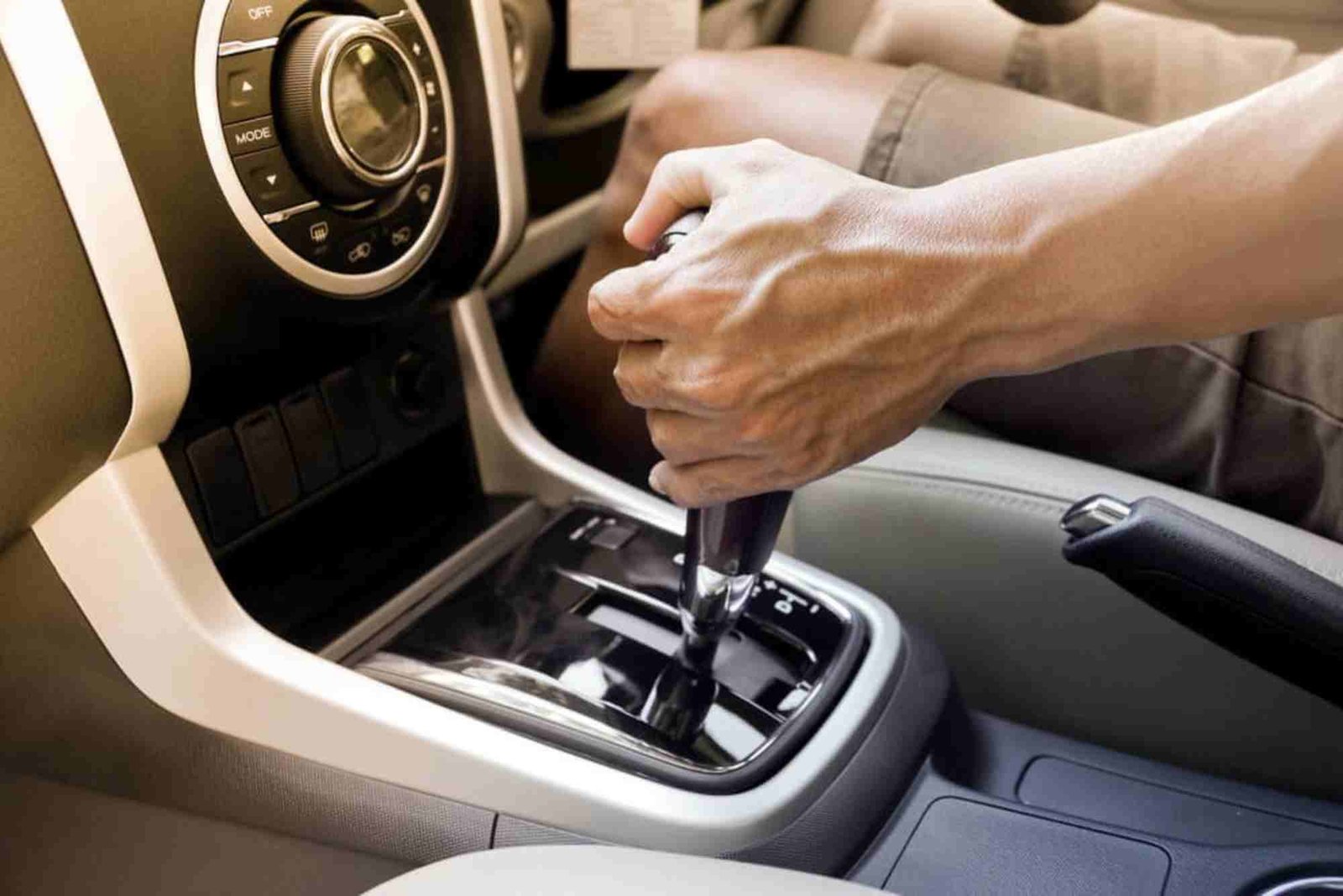
A manual transmission, or stick shift, is a type of gearbox that allows the driver to manually select the gears. Unlike automatic transmissions, it requires the use of a clutch pedal and gear stick to control the vehicle’s power delivery.
Key Components That Need Care
- Clutch: Engages and disengages the engine from the gearbox.
- Gearbox: Houses gears and synchronizers that manage torque and speed.
- Drive Shaft and Linkages: Transfer power from the gearbox to the wheels.
Recognizing these components helps you understand which habits protect them from premature wear.
Essential Habits to Maintain a Manual Transmission
Proper driving and maintenance habits are key to ensuring your manual transmission lasts longer.
Use the Clutch Wisely
One of the most common mistakes is riding the clutch — keeping it partially pressed while driving. This causes unnecessary friction and accelerates wear.
Tips for Clutch Care:
- Fully press or release the clutch pedal; avoid resting your foot on it.
- Use neutral when idling for long stops instead of keeping the clutch depressed.
Shift Smoothly and Accurately
Jerky or forceful gear changes can strain the synchronizers and gearbox.
Tips for Smooth Shifting:
- Press the clutch fully before changing gears.
- Match engine RPM to gear speed for smoother transitions.
- Avoid forcing the gear stick; let the transmission guide the shift naturally.
Don’t Overload Your Vehicle
Excessive weight or towing beyond your car’s capacity increases stress on the transmission.
Recommendations:
- Check the manufacturer’s maximum load rating.
- Reduce unnecessary weight to minimize gear strain.
Keep an Eye on Transmission Fluid
Manual transmissions rely on lubricating fluid to reduce friction and heat.
Fluid Maintenance Tips:
- Check fluid levels regularly according to your vehicle’s manual.
- Replace fluid at intervals suggested by the manufacturer.
- Use only the recommended type of transmission fluid.
Avoid Aggressive Driving
Hard accelerations, frequent sudden stops, and high-speed shifting increase wear and tear.
Better Driving Practices:
- Accelerate gradually and avoid over-revving the engine.
- Anticipate stops to reduce unnecessary gear changes.
- Drive at a comfortable pace instead of pushing the car to its limits.
Park on Neutral or Use the Handbrake
Leaving the car in gear on inclines without using the handbrake can strain the gearbox and clutch.
Safe Parking Tips:
- Always engage the handbrake when parking on slopes.
- Use neutral when leaving the vehicle for extended periods.
Regular Maintenance Checks for Longevity
Beyond daily habits, scheduled maintenance is critical.
Inspect Clutch and Pedal Wear
Clutch discs and pressure plates wear over time. A slipping or sticking clutch is a sign it needs attention.
Monitor Gearbox Health
Listen for unusual noises such as grinding or whining, which can indicate worn bearings or gears.
Check Linkages and Mounts
Loose or damaged linkages can result in inaccurate shifting and additional stress on transmission parts.
Consult a Professional Mechanic
A qualified technician can spot potential issues early and prevent costly repairs.
Driving Techniques That Protect Your Transmission
Use Engine Braking
Downshifting appropriately uses engine resistance to slow the car, reducing brake and clutch wear.
Avoid Excessive Neutral Coasting
Coasting in neutral may save fuel but reduces control and can create sudden stress on gears when re-engaging.
Gradually Increase Engine Load
Avoid sudden gear changes under heavy acceleration. Gradual load increases protect both clutch and gears.
Benefits of Proper Manual Transmission Care
- Extended Lifespan: Proper habits prevent premature wear.
- Reduced Repair Costs: Early care minimizes expensive gearbox replacements.
- Improved Fuel Efficiency: Smooth shifting reduces energy loss.
- Better Driving Experience: A well-maintained transmission feels responsive and predictable.
FAQs
How often should I change manual transmission fluid?
Generally, every 30,000 to 60,000 miles, but check your vehicle’s manual for exact recommendations.
Can I drive with a slipping clutch?
A2: It’s not advisable; a slipping clutch worsens damage and reduces control. Immediate inspection is recommended.
Is it bad to leave my car in gear when parked?
Not necessarily on flat ground, but on slopes, always use the handbrake to avoid stress on the transmission.
How do I know if my transmission needs repair?
Signs include grinding noises, difficulty shifting, clutch slippage, or fluid leaks.
Can aggressive driving damage a manual transmission?
Yes, frequent harsh gear changes and over-revving accelerate wear and tear.
Maintaining a manual transmission isn’t complicated—it’s about cultivating consistent, mindful habits. By using the clutch wisely, shifting smoothly, monitoring fluid, and scheduling regular inspections, you can significantly extend the life of your gearbox. Every careful mile you drive adds years to your manual transmission.
Safe Ways to Park a Car in a Tight Space – Parking in tight spots can be tricky, but staying calm and focused helps. Use your mirrors and backup camera, go slow, and angle your approach carefully. Turn the steering gradually, leave enough space around, and avoid rushing. Practicing these steps ensures safe, stress-free parking every time.