Introduction
Keeping your car paint shiny isn’t just about aesthetics — it protects your vehicle from environmental damage, UV rays, and daily wear. But with so many options like ceramic coatings, wax, and sealants, how do you choose the best solution? In this guide, we’ll break down each method, explain their benefits, and help you decide which approach keeps your car looking showroom-ready.
Understanding Car Paint Protection
What Makes Car Paint Dull?
Over time, your car’s paint can lose its shine due to:
- UV Damage: Sunlight breaks down paint molecules.
- Environmental Contaminants: Bird droppings, tree sap, and road salt can eat away at the paint.
- Micro-scratches: Improper washing or automatic car washes can create swirl marks.
Maintaining the paint’s gloss requires more than just washing — it demands proper protection.
Wax: The Traditional Choice
What Is Car Wax?
Car wax is a natural or synthetic product applied to the paint surface to provide a protective layer. It enhances gloss and makes the paint feel smooth.
Benefits of Wax
- High Gloss Finish: Wax provides a deep, warm shine.
- Easy Application: Most waxes are user-friendly for beginners.
- Short-Term Protection: Shields against light dirt and UV rays for a few weeks to months.
Limitations of Wax
- Short Lifespan: Typically lasts 4–8 weeks.
- Less Durable: Cannot resist harsh weather or chemicals as effectively as coatings.
- Requires Frequent Reapplication: Maintenance can be time-consuming.
Sealants: The Synthetic Middle Ground
What Is a Paint Sealant?
Paint sealants are synthetic polymer-based products designed to mimic wax but with enhanced durability. They bond to the paint and provide a smoother, glossier finish.
Benefits of Sealants
- Longer Lasting: Typically 6–12 months of protection.
- High Shine: Can rival or exceed traditional wax in gloss.
- Chemical Resistance: Better defense against road grime and light contaminants.
Limitations of Sealants
- Slightly More Complex Application: Some require careful layering.
- Less Natural Shine: While glossy, it may lack the “warm” glow of natural wax.
- Cost: Generally more expensive than wax.
Ceramic Coatings: The Advanced Solution
What Is a Ceramic Coating?
Ceramic coatings are liquid polymers applied to the car’s exterior. They bond with the paint at a molecular level, offering long-term protection and a mirror-like shine.
Benefits of Ceramic Coatings
- Durable Protection: Lasts 2–5 years depending on quality.
- Hydrophobic Properties: Water beads off, reducing water spots and dirt accumulation.
- Scratch Resistance: Offers minor scratch and swirl protection.
- Easy Maintenance: Less frequent washing required due to self-cleaning effect.
Limitations of Ceramic Coatings
- Higher Cost: Professional application can be expensive.
- Complex Application: Requires careful prep and curing time.
- Not a Complete Shield: Cannot prevent all scratches or stone chips.
Comparing Wax, Sealant, and Coating
| Feature | Wax | Sealant | Ceramic Coating |
|---|---|---|---|
| Longevity | 4–8 weeks | 6–12 months | 2–5 years |
| Shine | Warm, deep gloss | High gloss | Mirror-like gloss |
| Protection Level | Moderate | High | Very high |
| Cost | Low | Medium | High |
| Maintenance | Frequent | Moderate | Low |
| DIY Friendly | Yes | Mostly | Some require pros |
How to Apply Each Product Correctly
Wax Application
- Wash and dry your car thoroughly.
- Apply wax with a foam applicator in circular motions.
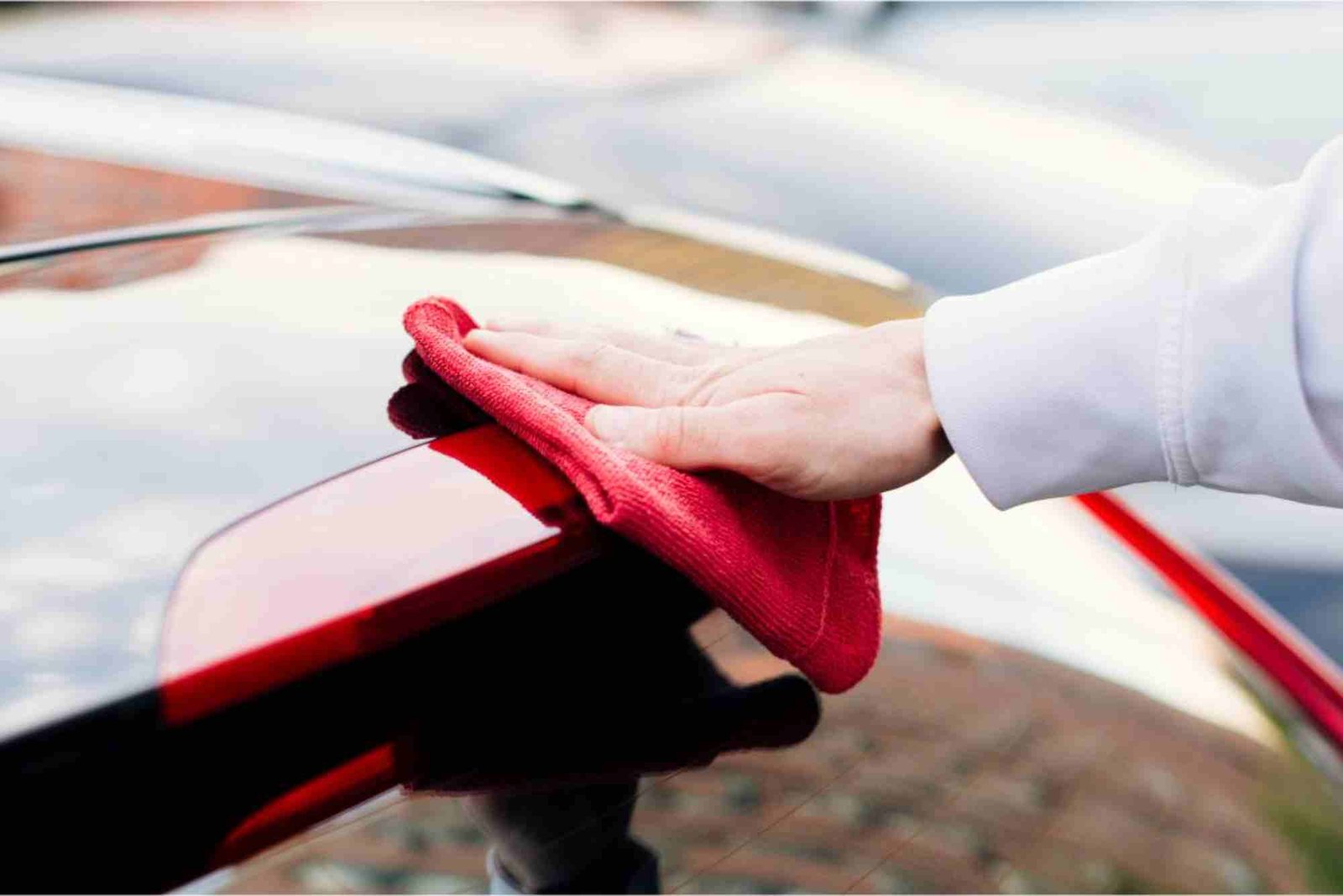
- Let it haze, then buff off with a microfiber cloth.
- Repeat every 4–8 weeks for optimal shine.
Sealant Application
- Clean and clay bar the surface to remove contaminants.
- Apply sealant in thin, even layers.
- Allow curing as per instructions, usually 12–24 hours.
- Maintain with gentle washing and optional top-up every few months.
Ceramic Coating Application
- Wash, clay, and polish the car to remove all imperfections.
- Apply coating in small sections using an applicator pad.
- Wipe off excess immediately with a microfiber towel.
- Allow the coating to cure (usually 24–48 hours).
- Avoid washing for a week to ensure proper bonding.
Tips for Maintaining Shiny Car Paint
- Wash Regularly: Use the two-bucket method to avoid swirl marks.
- Use Microfiber Towels: Prevents scratches during drying.
- Avoid Harsh Chemicals: Stick to pH-neutral car shampoos.
- Park Smart: Whenever possible, shade your car to reduce UV exposure.
- Top-Up Protection: Wax or sealant every few months, ceramic coating as advised.
FAQs
Which is better: wax, sealant, or ceramic coating?
Ceramic coatings provide the most durable protection, but wax is budget-friendly and easy to apply. Sealants offer a balance between longevity and shine.
Can I apply wax over a ceramic coating?
Yes, you can. A wax can enhance the shine temporarily, but it doesn’t add extra protection since the coating is already highly durable.
How often should I wax my car?
Typically every 4–8 weeks, depending on climate and driving conditions.
Are ceramic coatings scratch-proof?
No coating is completely scratch-proof. Ceramic coatings help reduce minor swirl marks but won’t prevent deep scratches or stone chips.
Can I apply a ceramic coating myself?
DIY ceramic coatings exist, but professional application ensures proper prep, application, and longevity.
Choosing between wax, sealant, and ceramic coating depends on your budget, patience, and how much protection you want. Wax offers simplicity and a warm shine, sealants provide longer-lasting synthetic protection, and ceramic coatings deliver ultimate durability and ease of maintenance.
Wheel Care Tips: How to Clean and Prevent Rust/Corrosion – Keeping your wheels clean not only enhances your car’s look but also prevents rust and corrosion. Regular washing, using wheel-specific cleaners, and applying a protective coating can shield metal surfaces from moisture and road salts, ensuring long-lasting shine and durability.