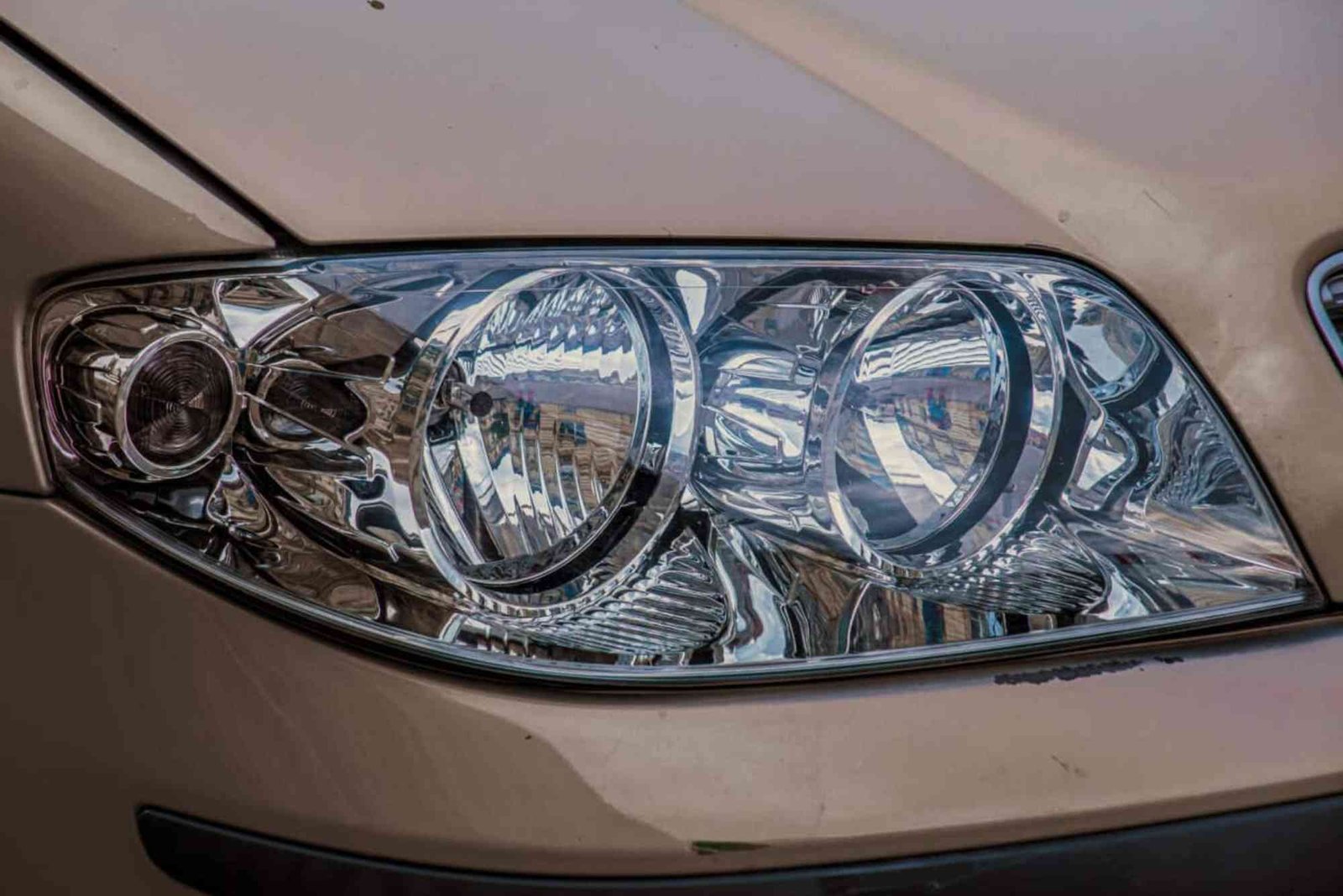
Car lights are essential for safe driving, especially at night or in poor weather. When your headlights or taillights begin to dim, it can reduce visibility and increase the risk of accidents. Dimming car lights are often a warning sign of underlying electrical or mechanical problems. Fortunately, fixing this issue is usually straightforward if you know where to look. In this guide, we will explore the common causes, diagnostic steps, and effective solutions to restore your car lights to full brightness.
Understanding Why Car Lights Dim
Dimming car lights rarely happen without a reason. Most of the time, they signal that something in the electrical system is weakening or malfunctioning. The first thing to understand is that headlights rely on a consistent voltage supply. Any drop in voltage or resistance increase along the wiring can make lights appear dull. Factors like aging bulbs, corroded connections, and a weak battery contribute to dimming. Additionally, alternator issues can lead to fluctuating power, which directly affects headlight intensity. Recognizing these causes early helps prevent larger car electrical problems.
Bulb Age and Type
Over time, headlight bulbs naturally lose brightness. Halogen bulbs dim gradually as their filament wears down, while HID and LED bulbs can experience voltage-related flickering. Using the correct bulb type is crucial, as mismatched wattage or improper installation can reduce light output and even damage your headlight assembly. Checking your vehicle’s manual for the recommended bulb type ensures optimal performance and prevents early dimming.
Battery and Alternator Issues
A weak or failing battery often causes dimming lights. If the voltage drops below normal, headlights struggle to maintain brightness. Similarly, the alternator supplies power to both the battery and the electrical system. A failing alternator cannot sustain a steady voltage, causing lights to flicker or dim, especially when additional electrical components are running. Testing battery and alternator output with a multimeter can pinpoint whether these are the source of the problem.
Corroded or Loose Wiring
Car wiring is exposed to heat, moisture, and vibrations, which can lead to corrosion or loose connections. Corroded terminals increase electrical resistance, reducing the current flowing to your headlights. Loose wires can create intermittent contact, causing lights to dim unexpectedly. Inspecting connections at the battery, fuse box, and headlight assembly often reveals the weak points that need cleaning or tightening. Using dielectric grease on terminals helps prevent corrosion and improves long-term performance.
Faulty Headlight Switch or Relay
Electrical switches and relays control the flow of current to your car lights. A worn-out switch may fail to provide sufficient power, while a failing relay can interrupt the electrical circuit. Signs of a faulty switch or relay include inconsistent light intensity or a delay when turning on the headlights. Replacing these components is generally inexpensive and restores proper voltage to the bulbs.
Steps to Fix Dimming Car Lights
Fixing dimming lights requires a systematic approach. Start by observing when the dimming occurs—whether it’s all the time, only at idle, or when other electrical devices are on. This helps narrow down the cause. Always begin with the simplest solutions before moving to complex electrical repairs.
Inspect and Replace Bulbs
Begin by visually inspecting your headlight bulbs. Look for signs of blackening, broken filaments, or clouded glass. Even if a bulb still lights up, it may be past its optimal performance. Replacing both headlights at the same time ensures balanced brightness. For long-lasting performance, consider upgrading to high-quality halogen, LED, or HID bulbs compatible with your vehicle.
Check Battery and Alternator
Use a multimeter to test the battery voltage when the car is off and running. A fully charged battery should read around 12.6 volts, while running voltage should be between 13.7 and 14.7 volts, indicating the alternator is working. If the readings are low or fluctuate significantly, replace the battery or alternator as needed. Proper voltage maintenance is critical for all car lights, including interior and brake lights.
Clean and Secure Connections
Disconnect the battery before working on electrical wiring to ensure safety. Remove corroded terminals and clean them using a wire brush or contact cleaner. Check connectors at the headlight housing, fuse box, and battery terminals. Tighten loose connections and apply dielectric grease to prevent future corrosion. Regular maintenance of electrical contacts can prevent dimming issues before they start.
Replace Faulty Switches and Relays
If dimming occurs intermittently or only under certain conditions, the headlight switch or relay may be at fault. Test the relay by swapping it with a similar one in the fuse box. If the lights return to normal, replace the faulty relay. For switches, consult your vehicle manual or a professional mechanic to ensure proper replacement. Ensuring the electrical control components are functioning properly guarantees consistent light performance.
Check Fuses and Wiring Harness
A partially blown fuse or damaged wiring harness can reduce current to your headlights. Inspect fuses for discoloration or melting. Examine the wiring harness for exposed or frayed wires. Repairing or replacing damaged wires restores full power to your headlights and eliminates dimming. Maintaining a clean and intact wiring system enhances the overall reliability of your car’s electrical system.
Preventive Tips to Avoid Dimming
Once your car lights are restored, preventive care helps maintain brightness. Avoid overloading the electrical system with aftermarket devices, which can draw extra power. Clean headlights regularly to remove oxidation that reduces light output. Schedule periodic checks of the battery, alternator, and wiring connections. Simple preventive measures extend bulb life and ensure safe night driving.
Use Quality Bulbs and Parts
Investing in high-quality bulbs and electrical components ensures long-lasting performance. Cheaper bulbs may burn out faster or dim prematurely. OEM or certified aftermarket parts meet proper voltage and heat specifications, minimizing dimming risks.
Regular Electrical Inspections
Have a professional inspect your car’s electrical system periodically. Even minor voltage drops or corrosion can lead to dimming. Proactive maintenance prevents unexpected issues and keeps your lights bright and reliable.
Avoid Moisture and Heat Damage
Ensure headlight housings are sealed properly. Moisture can corrode terminals and reduce light intensity. Excessive heat from the engine bay may also impact wiring. Keeping components dry and insulated preserves performance over time.
Dimming car lights are more than just a cosmetic issue—they are a safety concern. By understanding the causes, inspecting key components, and performing timely repairs, you can restore your headlights to full brightness. Regular maintenance, quality replacements, and preventive care ensure reliable lighting and safer driving. If you notice persistent dimming, don’t wait. Check your bulbs, battery, alternator, and wiring today, and enjoy clear, bright illumination on every journey.
Take control of your vehicle’s safety and comfort by addressing dimming lights now. Bright headlights improve visibility, prevent accidents, and give you confidence on the road. Schedule a professional inspection if needed and drive safely every night.
If you’re in the market for practical and affordable family transportation, exploring the best cheap MPV cars in Indonesia can help you find a vehicle that balances space, comfort, and value for money. From fuel‑efficient models to those offering generous cabin room for long trips, this guide highlights top choices that suit both city driving and weekend getaways — check out the full list here.
FAQs
Why are my car lights dim when the engine is idling?
Dimming at idle usually indicates an alternator problem. When the engine runs slowly, the alternator may not produce enough voltage. Testing the alternator and replacing it if needed restores consistent brightness.
Can a weak battery cause dim headlights?
Yes, a weak battery lowers voltage, especially at startup or under load. Replacing or charging the battery ensures that headlights receive sufficient power.
How often should I replace headlight bulbs?
Headlight bulbs last between 500 to 2,000 hours depending on type. Replace bulbs in pairs for even brightness and check for signs of wear like blackening or flickering.
Can corroded wiring affect headlight brightness?
Absolutely. Corrosion increases resistance in the circuit, reducing current flow to the headlights. Cleaning terminals and applying dielectric grease often solves dimming problems.
Are LED headlights better at preventing dimming?
LED headlights are more energy-efficient and maintain brightness longer than halogens. However, voltage drops or electrical issues can still cause dimming. Ensuring proper installation and a healthy electrical system is key.
How can I prevent my headlights from dimming in the future?
Regular maintenance, high-quality bulbs, clean connections, and avoiding electrical overloads help prevent dimming. Periodic professional inspections also detect early issues.
What should I do if replacing the bulbs doesn’t fix dimming?
If new bulbs don’t solve the problem, check the battery, alternator, wiring, fuses, and relays. Persistent dimming usually indicates a deeper electrical issue that may require professional repair.