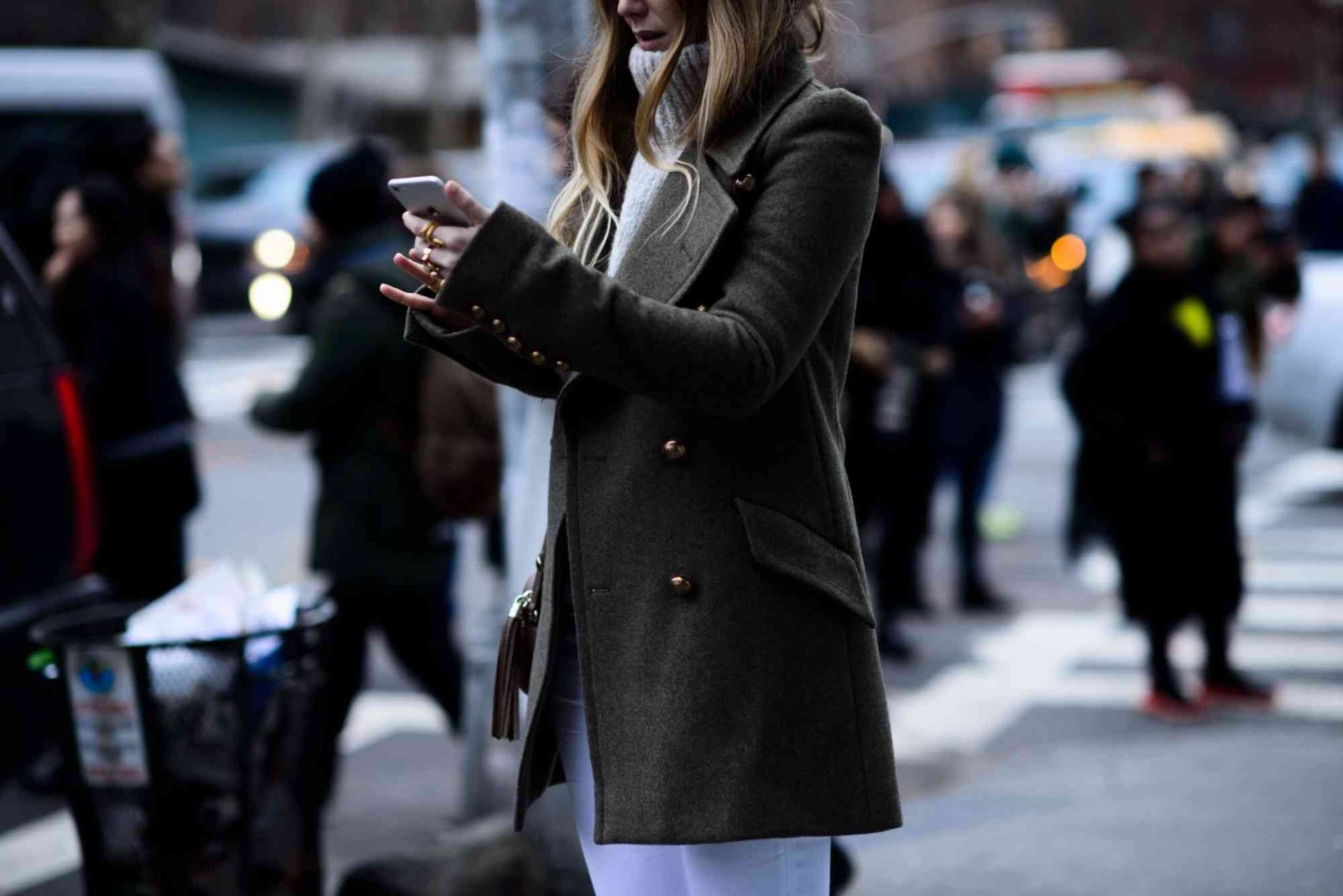
Understanding your personal fashion style is a journey that blends self-expression, confidence, and creativity. Fashion is more than just clothing—it’s a statement of who you are and how you want the world to perceive you. Developing a style that feels authentic can transform the way you feel in your clothes and enhance your daily life. While trends come and go, your personal style remains a reflection of your identity. This guide will help you determine your fashion style in a way that is natural, expressive, and sustainable.
Assess Your Lifestyle and Needs
Your lifestyle plays a crucial role in defining your fashion style. Consider how you spend most of your time, whether it’s at work, social events, or casual settings. Your wardrobe should reflect these activities to ensure practicality and comfort. For instance, a professional who attends meetings daily may prefer structured pieces like blazers and tailored trousers. On the other hand, someone with a creative or casual routine may gravitate toward relaxed fits, unique patterns, or statement accessories. By aligning your wardrobe with your lifestyle, you avoid buying pieces that never get worn.
Evaluate Your Body Shape and Fit Preferences
Understanding your body shape is essential to determining which styles flatter you best. Every individual has unique proportions, and certain cuts, silhouettes, and fabrics can accentuate your strengths while minimizing discomfort. Experimenting with different fits helps you recognize which styles enhance your confidence. Pay attention to how garments make you feel when you wear them. Clothing that feels restrictive or awkward may not suit your style, even if it looks appealing on others. Your personal fashion style should be both comfortable and flattering.
Identify Colors and Patterns That Speak to You
Color psychology plays a significant role in personal style. Some people naturally gravitate toward neutral tones, while others feel energized by bright or bold colors. Understanding which hues complement your skin tone and make you feel confident can guide your fashion choices. Patterns also convey personality—stripes, florals, checks, or abstract designs can all communicate different moods. Observing which colors and prints consistently draw your attention helps refine your signature style and makes shopping more efficient.
Seek Inspiration from Fashion Icons and Media
One of the easiest ways to explore personal fashion style is to look for inspiration from fashion icons, celebrities, or social media influencers whose aesthetic resonates with you. Notice what elements of their style appeal to you, whether it’s the layering, accessories, or color combinations. Pinterest boards, Instagram feeds, and fashion blogs can help you visualize a style direction. However, it’s important to adapt inspiration to your own life rather than copying someone else entirely. Your style should be unique and authentic to you.
Consider Your Personality and Emotional Connection to Clothing
Fashion is an extension of personality, so your style should reflect who you are on a deeper level. Are you adventurous, playful, minimalist, or classic? Your clothing choices can reinforce these traits. Emotional connection to your wardrobe is important—pieces that evoke joy, confidence, or comfort should become staples. If an item makes you feel self-conscious or disconnected, it may not fit your personal style. Authenticity is key, as people can sense when clothing aligns with your true personality.
Experiment and Build Your Wardrobe Gradually
Developing a personal fashion style doesn’t happen overnight. Experimentation is essential—try different silhouettes, fabrics, and accessories to see what resonates. Start by mixing new items with pieces you already love. Over time, you will identify patterns in your preferences, such as favored cuts, textures, or color palettes. Building a wardrobe gradually prevents impulsive purchases and ensures that every item reflects your evolving style. Learning to curate your clothing consciously enhances your confidence and makes dressing enjoyable.
Pay Attention to Comfort and Practicality
While aesthetics are important, comfort and practicality should never be overlooked. Clothing that fits your lifestyle, body shape, and activities ensures you feel confident throughout the day. Comfortable clothing allows you to move freely, while practical choices reduce stress and wardrobe frustration. Your personal fashion style is sustainable when it balances beauty and functionality, making it easy to maintain a cohesive wardrobe that serves you well.
Incorporate Signature Pieces and Accessories
Signature pieces are the cornerstone of a personal fashion style. Accessories like hats, scarves, jewelry, or shoes can elevate simple outfits and make them memorable. Over time, certain items become part of your identity—perhaps a favorite leather jacket, a signature pair of boots, or a specific type of handbag. These pieces reflect your personality and help you create a consistent, recognizable style without relying solely on trends. Signature items also simplify outfit decisions and build confidence in your style choices.
Reflect on Past Outfits That Made You Feel Great
Analyzing past wardrobe choices can reveal important clues about your personal fashion style. Reflect on outfits that made you feel confident and joyful, and identify common elements in those looks. Maybe you thrive in structured blazers, or you feel unstoppable in bold prints. Understanding what worked in the past allows you to make intentional choices in the future. This reflection ensures your wardrobe evolves in a way that remains authentic and expressive.
Trust Your Instincts and Ignore Trends That Don’t Resonate
Fashion trends can be tempting, but personal style is about authenticity rather than following the crowd. Trust your instincts and embrace what makes you feel comfortable and confident. Avoid purchasing items simply because they are popular; instead, focus on integrating trends that align with your style. Developing this confidence takes time, but it leads to a wardrobe that feels genuinely yours. Your personal style is a reflection of your individuality, not a seasonal checklist.
Determining your personal fashion style is an ongoing journey of self-discovery and expression. It requires reflection on lifestyle, body shape, color preferences, and emotional connections to clothing. By experimenting with new looks, drawing inspiration thoughtfully, and trusting your instincts, you can build a wardrobe that reflects your authentic self. Remember, personal style is more than aesthetics—it’s confidence, comfort, and a form of self-expression. Start exploring today, refine your choices gradually, and embrace the joy of dressing in a way that truly feels like you.
Embrace your unique fashion journey and take the first step toward a wardrobe that empowers your confidence. Explore new styles, experiment with signature pieces, and create a look that is unmistakably yours.
Discover a world of innovative solutions and premium services at Nusly. Whether you’re looking for expert guidance, reliable products, or insightful resources, Nusly has you covered. Explore more and start your journey today by visiting their homepage.
FAQs
How can I figure out my fashion style quickly?
Observe your favorite outfits, note patterns in color, fit, and fabrics, and try inspiration boards to visualize your style.
What if I like multiple fashion styles?
Mix elements from your favorite styles to create a hybrid wardrobe that feels authentic and versatile.
How often should I reassess my personal style?
Reassess every season or year as your lifestyle, preferences, and body may change over time.
Can I have a minimalist personal style and still look stylish?
Absolutely. Minimalist style focuses on clean lines, neutral colors, and carefully chosen statement pieces.
Do I need to follow fashion trends to have a personal style?
No. Personal style is about authenticity. Trends can be incorporated selectively, but they aren’t necessary.