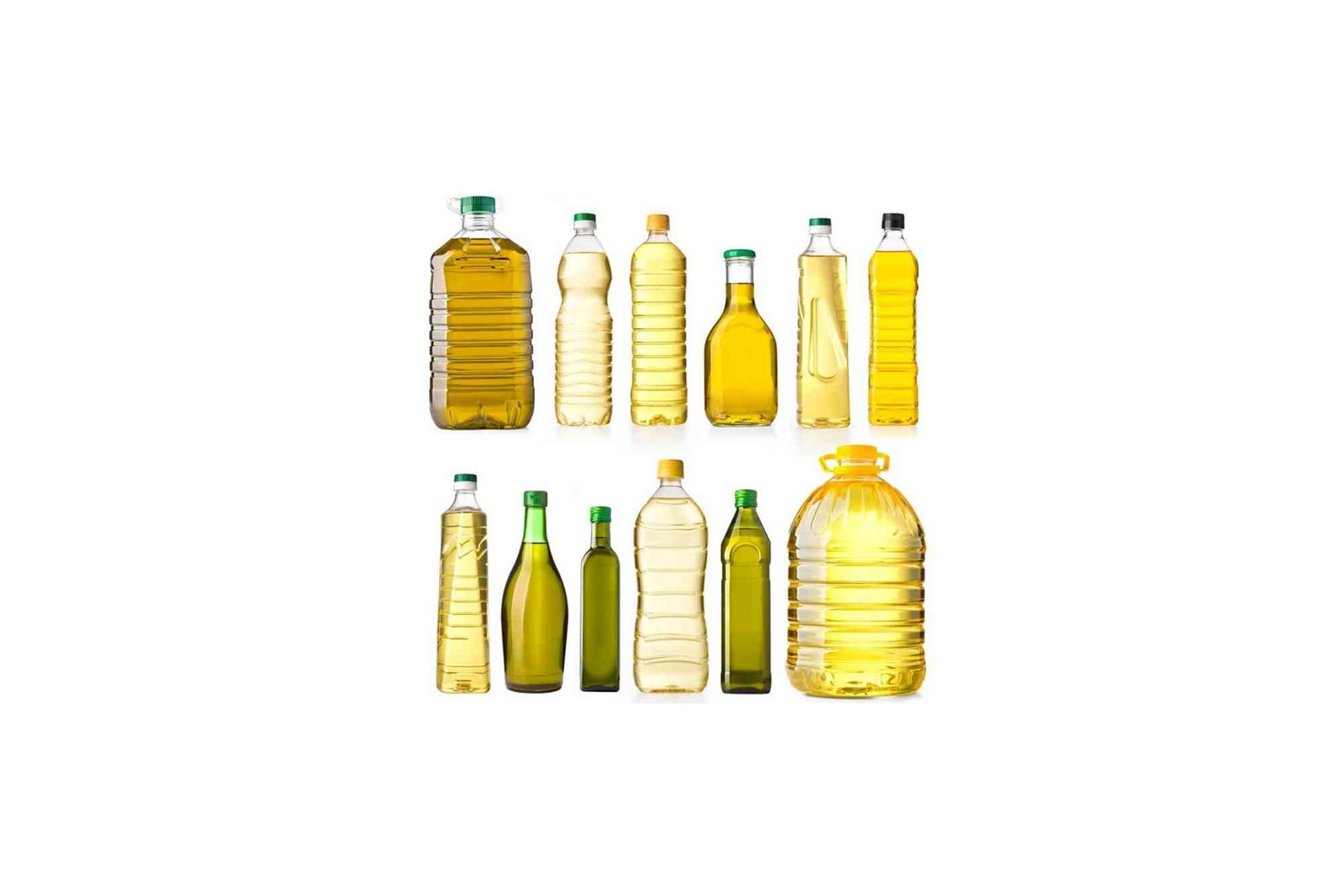
Choosing the right cooking oil is more than a kitchen preference — it’s a health decision. The oil you use affects your heart, weight, and overall well-being. With so many options on supermarket shelves, making a healthy choice can feel overwhelming. This guide will help you navigate oils, understand their benefits, and select products that complement your lifestyle and cooking needs.
Understanding Cooking Oils
Cooking oils are fats derived from plants, seeds, nuts, or fruits. They provide essential fatty acids, fat-soluble vitamins, and a medium for cooking. However, not all oils are created equal. Some are rich in healthy fats, while others contain high amounts of unhealthy saturated or trans fats. Knowing the type of fat in your oil is the first step toward healthier cooking.
Types of Healthy Fats
Oils contain different types of fats: saturated, monounsaturated, and polyunsaturated. Saturated fats are solid at room temperature and are found in tropical oils like coconut oil and palm oil. While some saturated fats are acceptable in moderation, excessive intake can increase the risk of heart disease. Monounsaturated fats, found in olive oil and avocado oil, help reduce bad cholesterol and support heart health. Polyunsaturated fats, present in sunflower, flaxseed, and soybean oils, provide essential omega-3 and omega-6 fatty acids that are vital for brain and heart function.
Smoke Point Matters
Every oil has a smoke point — the temperature at which it begins to burn and produce harmful compounds. Cooking above the smoke point can create free radicals, reducing the health benefits of the oil and affecting food flavor. For high-heat cooking like frying or sautéing, oils with high smoke points, such as avocado oil or refined sunflower oil, are preferable. For low-heat cooking or salad dressings, extra virgin olive oil or flaxseed oil is ideal.
Unrefined vs. Refined Oils
Unrefined oils are minimally processed and retain most of their nutrients and natural flavors. Extra virgin olive oil, cold-pressed sesame oil, and unrefined coconut oil fall into this category. Refined oils undergo chemical processing to increase shelf life and smoke point but may lose some nutrients. Both have a place in the kitchen, but for raw applications like dressings or dips, unrefined oils are the healthiest choice.
Read Labels Carefully
Understanding oil labels is essential. Look for terms like “cold-pressed,” “extra virgin,” or “organic,” which indicate minimal processing and better nutrient retention. Avoid oils labeled “partially hydrogenated” as they contain trans fats, which are linked to heart disease. Nutritional information can also reveal the balance of saturated, monounsaturated, and polyunsaturated fats, helping you make an informed choice.
Consider Flavor and Usage
Different oils impart different flavors. Extra virgin olive oil adds a fruity, peppery taste, while sesame oil provides a nutty aroma. Neutral oils like canola or sunflower oil are versatile for baking and frying. Choosing an oil that complements your cuisine ensures both health and taste.
Storage and Shelf Life
Oils can go rancid if stored improperly. Keep oils in dark, cool places, away from direct sunlight. Refrigeration is ideal for oils high in polyunsaturated fats, such as flaxseed or walnut oil, to maintain freshness and prevent oxidation. Check the expiration date and avoid oils that smell sour or taste bitter.
Balancing Oils in Your Diet
No single oil is perfect. A balanced approach is key. Use monounsaturated and polyunsaturated oils more frequently while limiting saturated and processed oils. Rotating oils based on cooking needs and nutrient content ensures you receive a range of beneficial fats without overconsumption.
Common Healthy Cooking Oils
Olive oil is renowned for heart benefits and antioxidants. Avocado oil offers a high smoke point, making it versatile for frying and roasting. Sunflower and safflower oils provide polyunsaturated fats, while flaxseed oil is an excellent source of omega-3s, perfect for cold dishes. Sesame oil, rich in antioxidants, enhances flavor in Asian cuisines. Each oil has unique properties, so selecting based on cooking style and health goals is important.
Tips for Making the Best Choice
Prioritize oils with natural, unprocessed qualities. Consider your cooking method, smoke point, and flavor. Balance your diet by using multiple oils for different purposes. Start reading labels carefully and educate yourself on fat types to make informed decisions. Remember, moderation is essential. Even healthy oils contain calories, so portion control matters.
Choosing healthy cooking oil is a simple yet impactful step toward better health. Focus on oils rich in monounsaturated and polyunsaturated fats, consider smoke points, and read labels carefully. Incorporating a variety of oils in your diet ensures flavor and nutrition without compromising heart health. Start making conscious oil choices today and notice the difference in your meals and overall wellness. Begin exploring healthier cooking oil options today. Experiment with olive, avocado, and sesame oils in your favorite recipes and elevate both flavor and nutrition.
Looking for the most popular energy drink products on the market? Explore our detailed guide to see which drinks boost energy effectively and safely. For a complete list and insights, check out popular energy drink products on the market here:
FAQs
Which cooking oil is best for heart health?
Oils high in monounsaturated fats like olive oil and avocado oil are best for maintaining heart health.
Can I use olive oil for frying?
Yes, but extra virgin olive oil has a lower smoke point. For high-heat frying, refined olive or avocado oil is safer.
Is coconut oil healthy for cooking?
Coconut oil contains saturated fats, so it should be used in moderation. Its health benefits are limited compared to oils high in unsaturated fats.
How do I store cooking oils to keep them fresh?
Store oils in cool, dark places. Refrigerate oils high in polyunsaturated fats, like flaxseed and walnut oil, to prevent rancidity.
Does the type of oil affect weight?
Yes. Healthy oils in moderation support metabolism, but overconsumption of any oil can lead to weight gain due to high calories.