Introduction
Choosing the right brake pads is a crucial decision for every car owner. Your vehicle’s braking system is directly linked to safety, performance, and driving comfort. With a myriad of options available—original manufacturer, OEM (Original Equipment Manufacturer), or aftermarket—making the right choice can be confusing. This guide will break down the differences, advantages, and drawbacks of each type of brake pad, helping you make an informed decision that balances performance, cost, and safety.
Understanding Brake Pads
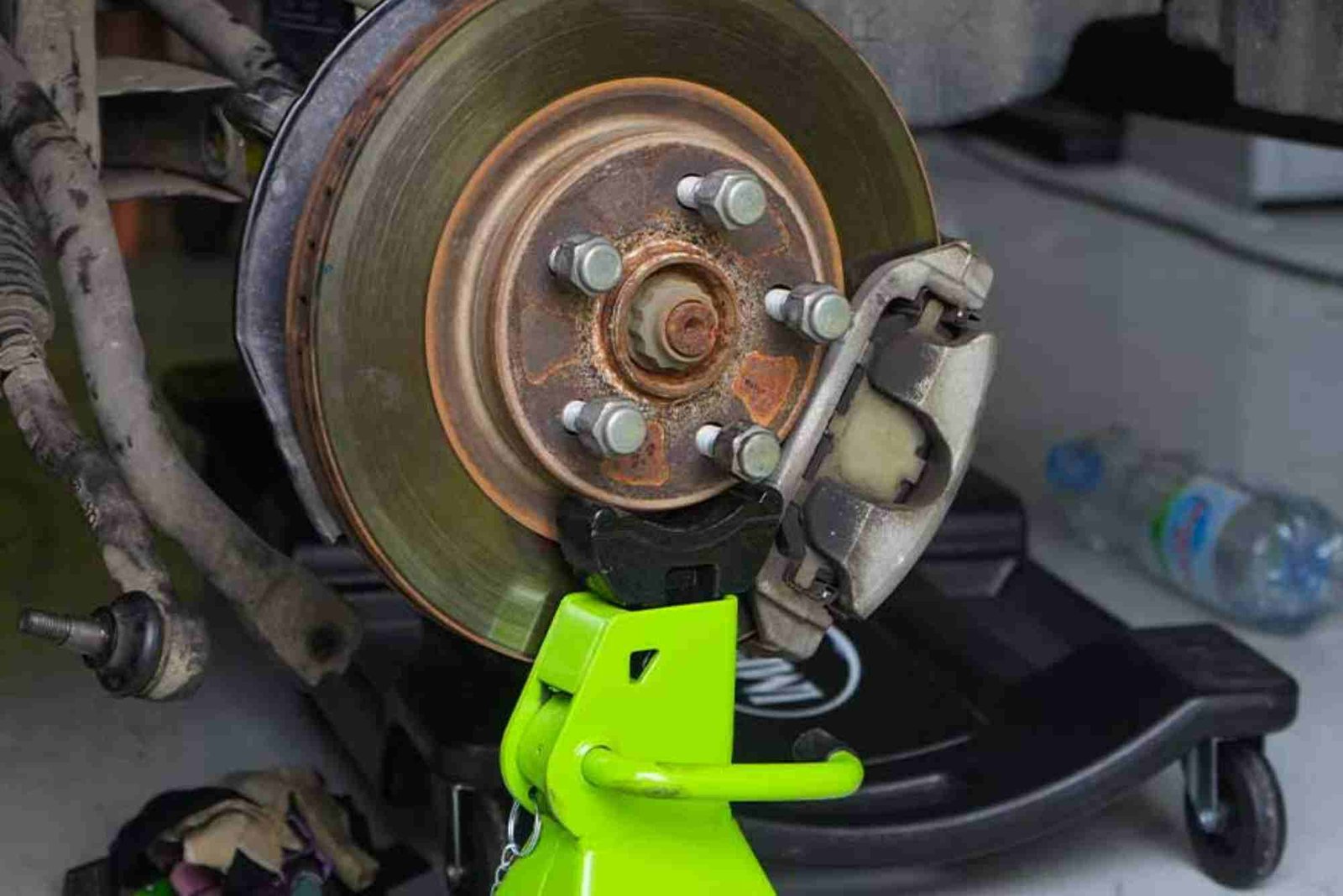
Before comparing options, it’s important to understand what brake pads do. Brake pads are a vital part of your car’s disc braking system. They create friction against the brake rotors, slowing down or stopping your vehicle. Over time, brake pads wear down and need replacement. Choosing the wrong type can affect stopping distance, cause rotor damage, or lead to costly repairs.
Types of Brake Pads
Brake pads are broadly categorized into three types: Original, OEM, and Aftermarket. Each has unique characteristics and is suited for different needs.
Original Brake Pads
Original brake pads are the exact components that came with your vehicle when it was first manufactured. They are made by the car manufacturer or approved suppliers to meet specific design and performance standards.
Pros:
- Guaranteed compatibility with your vehicle.
- Tested for optimal performance, including stopping power and wear.
- Usually offer the quietest and smoothest braking experience.
Cons:
- Higher cost compared to OEM and aftermarket pads.
- Limited availability for older car models.
- Fewer material options (e.g., only standard ceramic or semi-metallic).
Best For: Drivers seeking maximum reliability and performance without concern for cost.
OEM Brake Pads
OEM brake pads are made by a third-party manufacturer approved by the vehicle brand. They are designed to meet the same specifications as original pads but are sometimes sold at a lower price.
Pros:
- Maintains factory-level performance.
- Slightly more affordable than original pads.
- Easier to find than original parts for some car models.
Cons:
- Still more expensive than most aftermarket options.
- Limited options for specialized performance or upgraded materials.
Best For: Those who want factory-quality performance but prefer a modest price reduction.
Aftermarket Brake Pads
Aftermarket brake pads are produced by companies not affiliated with the vehicle manufacturer. These pads come in a wide range of materials, performance levels, and prices.
Pros:
- Wide variety of materials, including ceramic, semi-metallic, and organic compounds.
- More affordable options available.
- Specialty pads for performance or heavy-duty driving.
Cons:
- Quality can vary significantly between brands.
- Compatibility issues are possible if the wrong pad is selected.
- Higher risk of rotor wear if low-quality materials are used.
Best For: Budget-conscious drivers or those seeking performance enhancements beyond factory standards.
Factors to Consider When Choosing Brake Pads
Selecting the right brake pad isn’t just about brand or cost. Consider the following factors:
Driving Style
- City Driving: Frequent stops and starts favor ceramic or OEM pads for smoother braking and reduced dust.
- Highway Driving: Semi-metallic pads can handle higher heat, making them ideal for sustained braking.
- Performance/Track Use: High-performance aftermarket pads may offer superior stopping power but require careful rotor matching.
Material Type
Brake pads generally fall into three material categories:
- Ceramic: Quiet, low dust, moderate wear, and stable performance. Ideal for daily commuting.
- Semi-Metallic: Durable, better heat resistance, higher friction. Suitable for heavy-duty or aggressive driving.
- Organic: Cheaper and quieter, but shorter lifespan and less heat tolerance.
Budget
- Original pads are typically the most expensive.
- OEM pads are moderately priced.
- Aftermarket pads offer flexibility but require careful selection to avoid low-quality products.
Longevity and Maintenance
- Consider how often you want to replace pads. High-quality OEM or original pads may last longer than low-end aftermarket options.
- Factor in rotor wear. Some aggressive aftermarket pads can accelerate rotor degradation, increasing long-term costs.
Noise and Comfort
- Some brake pads produce squealing or vibrations.
- Ceramic pads and factory-spec OEM/original pads often provide the quietest, smoothest braking experience.
Tips for Choosing the Right Brake Pad
- Check Manufacturer Recommendations: Your car manual specifies compatible pad types. Following this ensures safety and warranty compliance.
- Research Brands: Read reviews and compare friction materials, heat tolerance, and durability.
- Match Brake Pads to Rotors: Always pair new pads with rotors of compatible material and condition.
- Consider Installation Costs: Some pads require specialized hardware or professional installation.
Choosing the right brake pads—Original, OEM, or Aftermarket—depends on your driving habits, budget, and performance expectations. Original and OEM pads guarantee factory-level reliability, while aftermarket options provide flexibility and specialized performance. Prioritize safety, braking efficiency, and durability over initial cost to ensure long-term peace of mind.
FAQs
How often should I replace brake pads?
Brake pads generally last 30,000–70,000 miles, depending on driving style and material.
Are aftermarket brake pads safe?
Yes, if you choose a reputable brand with proper specifications for your vehicle. Avoid cheap, low-quality options.
Can I mix OEM and aftermarket pads?
It’s not recommended. Mixing pad types can cause uneven wear, reduced performance, and noise.
How do I know if my brake pads are worn out?
Signs include squealing noises, longer stopping distances, or a brake warning light on the dashboard.
Which brake pad type is best for city driving?
Ceramic or OEM pads are ideal for smooth, quiet braking in frequent stop-and-go traffic.
How to Maintain a Manual Transmission: Habits That Make It Last Longer – Keeping your manual transmission in top shape requires simple but consistent habits. Regularly check fluid levels, avoid riding the clutch, shift gears smoothly, and listen for unusual noises. Proper maintenance and careful driving help extend its lifespan and prevent costly repairs.