How to Choose a Motorcycle Battery: Tips According to Specifications and Usage Habits
Choosing the right motorcycle battery is crucial for smooth performance, longer lifespan, and avoiding unexpected breakdowns. Many riders overlook the importance of matching a battery to both the motorcycle’s specifications and their own riding habits. A battery that doesn’t fit properly or is poorly suited to your usage style can result in starting issues, reduced performance, and frequent replacements. This guide helps you understand how to choose a motorcycle battery that works best for your bike and your lifestyle.
Understand Your Motorcycle’s Battery Requirements
Every motorcycle model comes with a specific battery requirement defined by the manufacturer. This includes the voltage, capacity (measured in ampere-hours or Ah), and physical dimensions. Most motorcycles use a 12-volt battery, but small scooters or older models may differ. Always check the owner’s manual for recommended battery type and specifications. Choosing a battery with the right voltage ensures your motorcycle’s electrical system functions properly. Selecting the correct capacity is equally important. A higher capacity battery lasts longer between charges but may take up more space and weigh more, whereas a lower capacity battery may discharge quickly if you use electrical accessories extensively.
Consider the Type of Battery
Motorcycle batteries come in several types, each with advantages and disadvantages. Lead-acid batteries are traditional and cost-effective. They require regular maintenance, such as topping up water levels, and may not perform well in extreme temperatures. Gel batteries are maintenance-free and more resistant to vibration, making them ideal for off-road motorcycles. Lithium-ion batteries are lightweight, have a long lifespan, and offer superior performance, but they are more expensive. Choosing a battery type depends on your priorities, budget, and riding conditions. If you ride daily in heavy traffic, a maintenance-free battery may save you time and hassle.
Match the Battery to Your Riding Habits
Your riding habits play a significant role in battery performance. Frequent short trips prevent the battery from fully charging, reducing its lifespan. If you mostly ride short distances, consider a high-capacity battery or one with fast-charging capabilities. Long-distance riders benefit from batteries that can sustain power over extended use. Also, riders who use motorcycles with multiple electrical accessories like GPS, heated grips, or extra lights need batteries with higher discharge capacity to prevent power depletion. Understanding your usage patterns allows you to choose a battery that meets your energy demands without frequent replacements.
Check Physical Fit and Installation
A battery must fit securely within your motorcycle’s battery compartment. Check the dimensions carefully, including length, width, and height. A battery that is too large or small may cause vibrations, leading to damage or poor connection. Proper installation ensures safety and optimal electrical contact. Also, pay attention to terminal positions. Some batteries have terminals on the same side, while others have opposite configurations. Reversing the terminals can damage your motorcycle’s electrical system, so always match the battery terminals to your motorcycle’s requirements.
Evaluate Cold Cranking Amps (CCA)
Cold Cranking Amps (CCA) measure a battery’s ability to start an engine in cold temperatures. If you live in a region with cold winters, selecting a battery with higher CCA is essential. A battery with low CCA may struggle to start the engine during winter mornings. Even in moderate climates, a higher CCA ensures reliable starting power. When choosing a battery, always consider the climate and how often you start the motorcycle in low temperatures.
Assess Maintenance Needs
Some motorcycle batteries require regular maintenance, while others are maintenance-free. Lead-acid batteries often need water refills and periodic cleaning to prevent corrosion. Maintenance-free batteries, like sealed gel or lithium-ion types, require less attention. If you prefer a hassle-free experience or cannot monitor battery conditions frequently, opting for a maintenance-free battery is wise. Regular maintenance prolongs battery life, but a sealed battery reduces the risk of spills and acid leaks, providing safer handling and easier installation.
Understand Lifespan and Warranty
Battery lifespan varies by type and usage. Lead-acid batteries generally last 2–3 years, while gel batteries last 3–4 years, and lithium-ion batteries can last up to 5 years or more. Manufacturers often provide a warranty period, reflecting confidence in battery durability. Consider both lifespan and warranty when choosing a battery. A longer warranty may justify a higher price if it covers unexpected failures. Remember, investing in a quality battery saves money and avoids frequent replacements in the long run.
Monitor Voltage and Charging System
A motorcycle battery’s performance depends not only on the battery itself but also on the motorcycle’s charging system. Ensure your bike’s alternator and regulator are functioning correctly. A faulty charging system can overcharge or undercharge the battery, reducing its lifespan. Using a multimeter to check voltage levels periodically can prevent unexpected failures. Optimal voltage levels also maintain the health of other electrical components such as lights and ignition systems.
Tips for Extending Battery Life
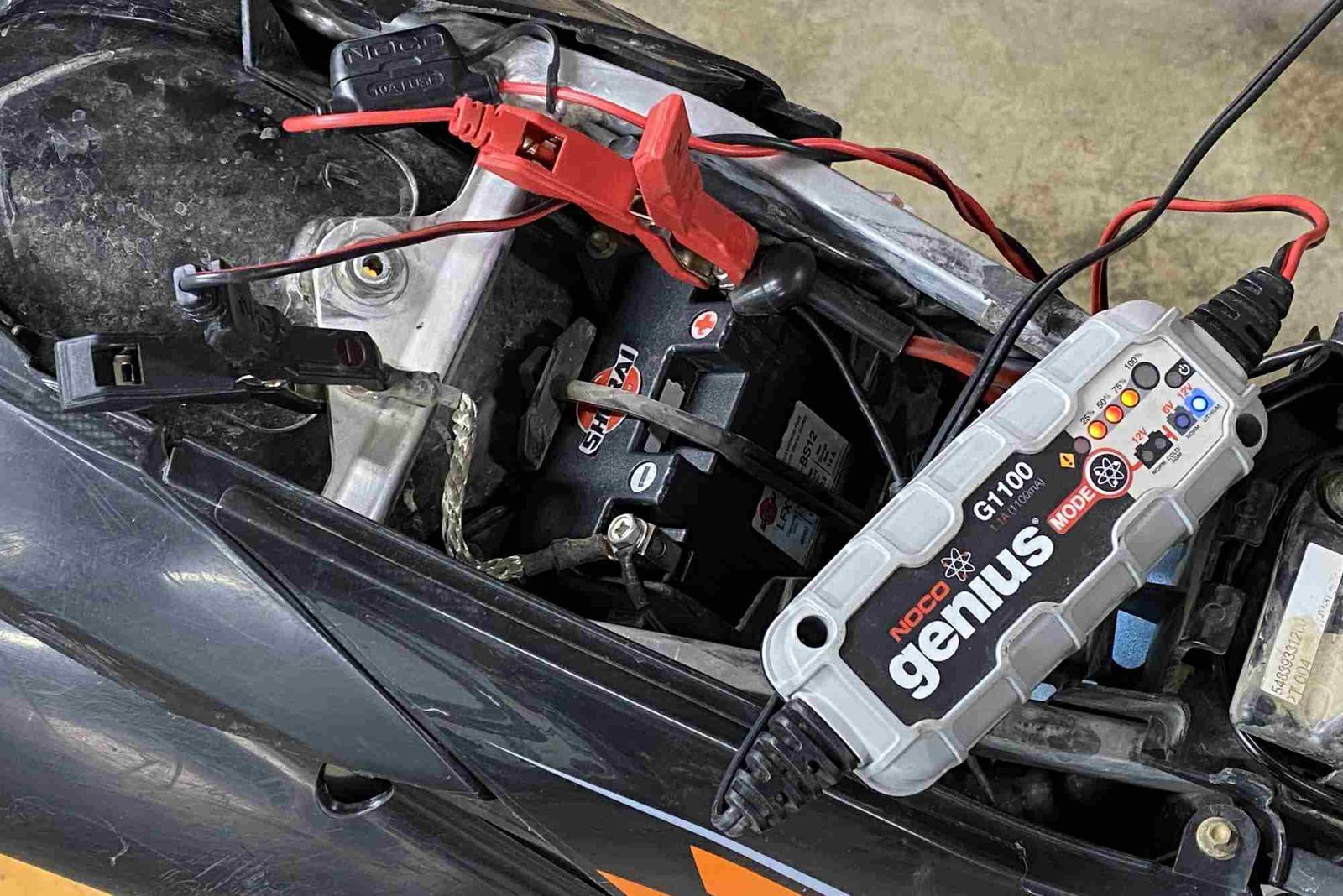
Proper usage can significantly extend battery life. Avoid leaving the motorcycle unused for long periods without a battery tender or trickle charger. Extreme temperatures, both hot and cold, reduce battery efficiency, so storing the motorcycle in a temperature-controlled area is beneficial. Minimize electrical accessory use when the engine is off to prevent battery drain. Regular inspections for corrosion, loose connections, and leaks help maintain battery health. Simple habits can keep a battery functional for years.
Choosing the right motorcycle battery requires balancing specifications, battery type, riding habits, and maintenance preferences. Understanding your motorcycle’s requirements and evaluating your daily usage ensures reliable performance and a longer lifespan. Investing in a high-quality battery suited to your needs prevents starting issues and unexpected breakdowns. Take the time to research and select a battery that matches your bike and lifestyle. Upgrade your motorcycle’s power today and enjoy smooth rides with confidence. Check your motorcycle’s manual, compare battery types, and choose one that fits your riding habits. Ensure a safe, reliable, and long-lasting performance by making the right battery choice today.
re is key to keeping your bike in top shape. Learn essential tips on automatic motorcycle maintenance to extend battery life, ensure smooth performance, and prevent costly repairs. Proper maintenance routines help your motorcycle stay reliable and safe on every ride.
FAQs
What size battery do I need for my motorcycle?
Check your motorcycle’s owner manual for recommended battery dimensions, voltage, and capacity. Fit and terminal position are crucial.
Can I use a car battery in my motorcycle?
It is not recommended. Car batteries are heavier and designed for different discharge rates, which can damage your motorcycle’s electrical system.
How long does a motorcycle battery last?
Battery life depends on type and usage. Lead-acid lasts 2–3 years, gel 3–4 years, and lithium-ion up to 5 years.
Should I choose a maintenance-free battery?
Maintenance-free batteries are ideal for hassle-free use. If you prefer less monitoring and safer handling, choose sealed gel or lithium-ion batteries.
How do I know if my battery has enough CCA?
Check the owner manual and consider your climate. Cold regions require higher CCA to ensure reliable starting in low temperatures.