A car’s suspension system plays a crucial role in safety, comfort, and handling. Many drivers overlook it until problems become severe. Understanding how to check the condition of a car’s suspension helps you prevent costly repairs and maintain smooth driving. Suspension issues can lead to uneven tire wear, poor steering response, and even accidents. Regular checks ensure your vehicle remains reliable and comfortable, whether commuting daily or heading on long trips.
Why Checking Your Suspension is Important
The suspension system absorbs shocks from the road, keeping tires in contact with the surface. A damaged suspension affects braking, handling, and overall stability. Even small issues can escalate into expensive repairs if ignored. By regularly inspecting your suspension, you ensure better control, improved fuel efficiency, and longer tire life. Safety should always be the top priority, and a properly functioning suspension is central to it.
Signs Your Car’s Suspension May Need Attention
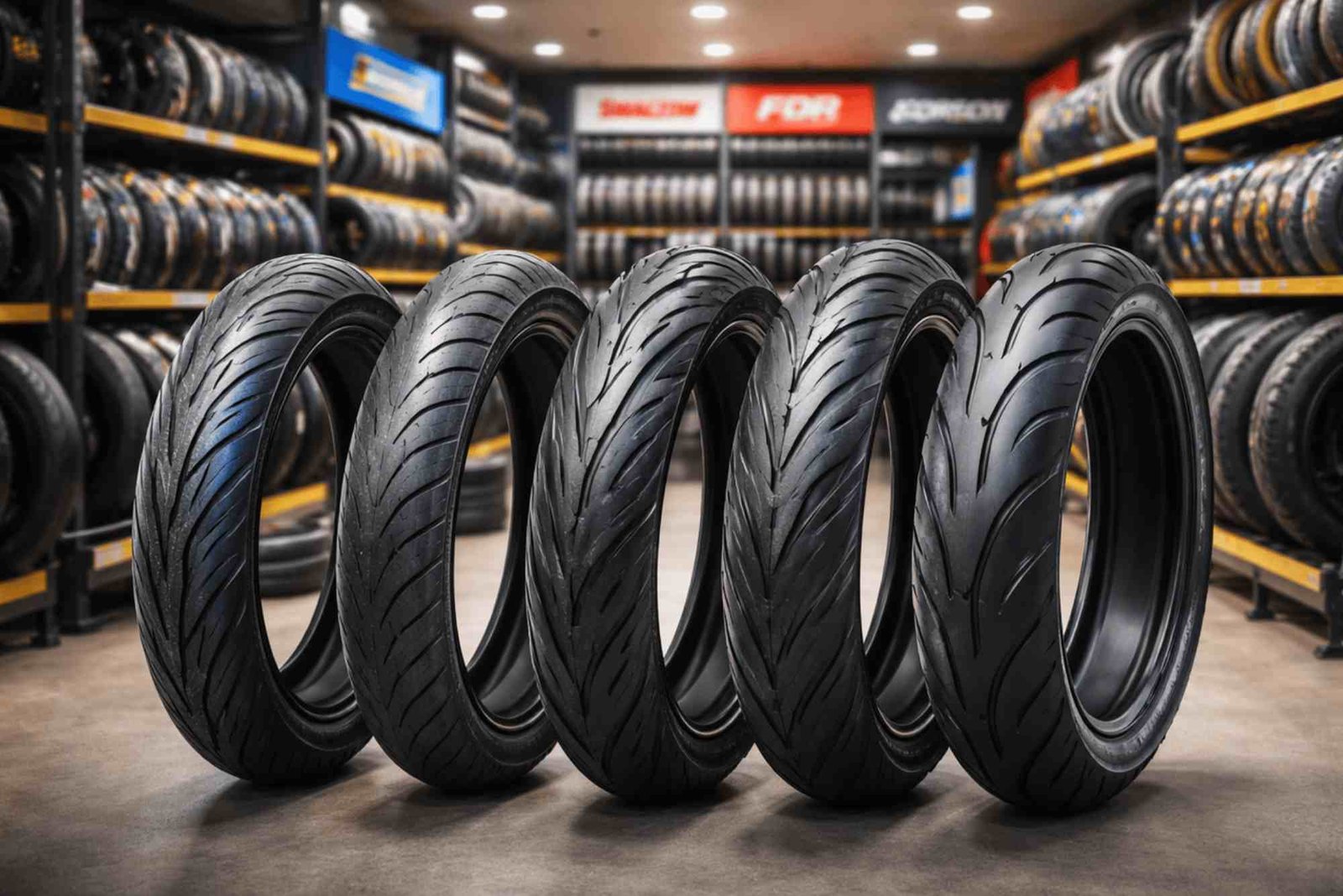
One of the first indicators of suspension issues is unusual noises. Clunks, squeaks, or rattles when driving over bumps often point to worn-out components. Another sign is uneven tire wear, suggesting misaligned or damaged suspension parts. If the car bounces excessively after hitting a pothole or dip, it may indicate weak shock absorbers or struts. Pulling to one side during braking or steering can also highlight suspension problems. Additionally, noticeable sagging on one side of the vehicle is a warning that springs may be worn.
Visual Inspection of the Suspension
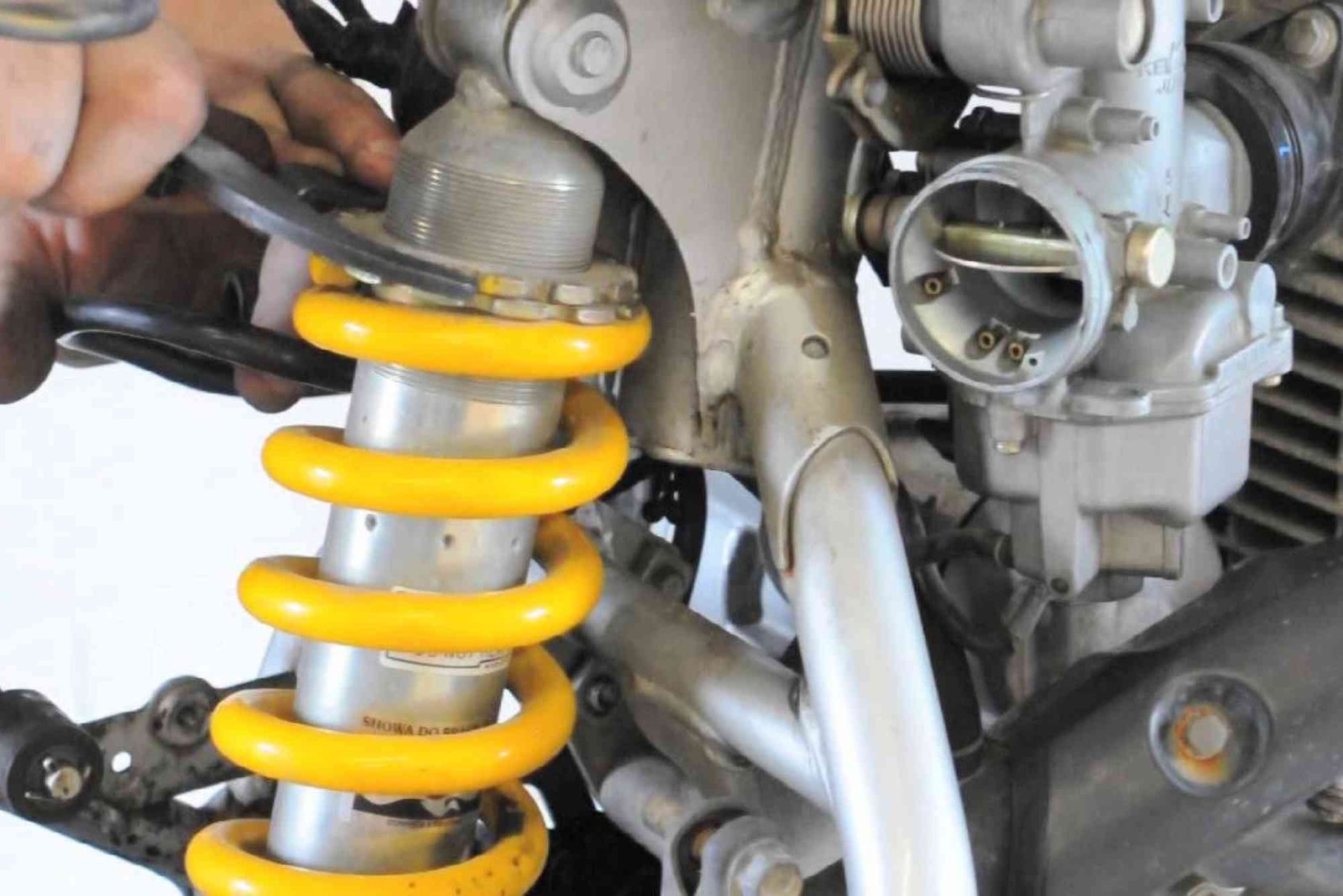
Start by looking under your car with proper safety precautions. Check for leaks around the shock absorbers, which indicate worn seals. Inspect coil springs for cracks or rust, which may weaken the suspension. Look at bushings for excessive wear or deformation. Any broken or missing components should be addressed immediately. Tires provide clues too; uneven wear patterns often signal suspension misalignment or damage. Make sure to do this inspection on a level surface and with the car safely lifted if needed.
Bounce Test to Assess Shock Absorbers
A simple method to evaluate shock absorbers is the bounce test. Press down firmly on one corner of the car and release. The vehicle should settle quickly with minimal bouncing. If it continues to bounce multiple times, the shocks are likely worn out. Test each corner separately to identify specific problem areas. This method is effective and doesn’t require advanced tools, making it accessible for most drivers.
Steering and Handling Evaluation
Suspension issues often manifest in steering behavior. While driving, notice if the car drifts or pulls to one side without turning the wheel. Excessive body roll during cornering may indicate weak shocks or worn bushings. Pay attention to vibrations felt through the steering wheel, especially at higher speeds. These subtle signs provide valuable information about the suspension’s condition and should not be ignored.
Checking for Alignment Issues
Suspension problems often cause alignment issues. Uneven tire wear, especially on the inner or outer edges, signals misalignment. The car may also track crooked when driving on a straight road. Proper alignment not only improves handling but also extends tire life and reduces fuel consumption. If misalignment is detected, a professional adjustment is recommended. This ensures that the suspension components are functioning correctly and the vehicle drives safely.
Listen for Unusual Noises
Suspension components can make a variety of sounds when damaged. Clunking or knocking often comes from worn ball joints or control arms. Squeaking may indicate dry bushings or shocks. Clicking sounds while turning could point to CV joint or strut issues. Paying attention to these noises while driving over different surfaces helps identify problems early. Sometimes these sounds are subtle but indicate serious underlying issues that need professional attention.
Inspect Suspension Components Thoroughly
Beyond shocks and springs, other components also require attention. Check control arms, sway bars, and tie rods for damage or excessive play. Bushings and mounts should be intact and free from cracks. Rubber components can deteriorate over time, so replacing them before failure is crucial. Suspension maintenance is not just about shocks and springs; it’s a holistic approach to ensure all moving parts work together for optimal performance.
Professional Suspension Check
While DIY inspections are helpful, professional checks are recommended periodically. Mechanics use specialized tools to measure shock performance, spring tension, and alignment accuracy. A professional can detect issues that are difficult to identify visually or through simple tests. Regular professional inspections can save money in the long run by preventing severe damage and ensuring the vehicle maintains its original handling characteristics.
Suspension Maintenance Tips
Regular maintenance prolongs suspension life. Keep tires properly inflated to reduce stress on suspension components. Avoid overloading the car, as excessive weight accelerates wear. Drive carefully over rough roads and potholes to prevent shocks and struts from failing prematurely. Lubricate moving parts as recommended by the manufacturer. Periodically rotate tires and check alignment to maintain balance and reduce uneven wear. Simple preventive measures can dramatically improve suspension longevity.
When to Replace Suspension Components
Suspension components should be replaced based on condition rather than age alone. Shock absorbers generally last 50,000 to 100,000 kilometers, depending on road conditions and driving habits. Springs and bushings may last longer but require monitoring for rust, cracks, or deformation. Ignoring worn components can compromise safety and lead to more expensive repairs. Always follow manufacturer recommendations and replace parts in matched sets when necessary for balanced handling.
Checking the condition of a car’s suspension is essential for safety, comfort, and performance. Visual inspections, bounce tests, steering evaluations, and listening for unusual noises can help identify issues early. Regular maintenance and timely professional inspections ensure your vehicle remains reliable on every journey. Don’t wait until problems become severe—take action now to protect your car and your safety. Schedule a professional suspension check if you notice any warning signs and keep your vehicle performing at its best.
Proper maintenance of your car’s cooling system is essential to prevent overheating and ensure optimal performance. Learn the best practices and tips to keep your engine cool and running smoothly by visiting how to maintain a car’s cooling system.
FAQs
How often should I check my car’s suspension?
It’s recommended to inspect your suspension every 12,000 to 15,000 kilometers or annually.
Can I check suspension myself at home?
Yes, visual inspections, bounce tests, and checking for unusual noises can be done safely at home.
What are common suspension problems?
Worn shocks, broken springs, leaking struts, damaged bushings, and misaligned components are common issues.
How do I know if my shocks need replacing?
If your car bounces excessively after hitting bumps, or there’s uneven tire wear, the shocks may need replacement.
Does suspension affect fuel efficiency?
Yes, worn suspension increases rolling resistance and decreases fuel efficiency, especially on rough roads.
Can a damaged suspension cause accidents?
Absolutely. A compromised suspension reduces vehicle control, braking performance, and stability, increasing accident risk.