Inroduction
Buying a used car can be an exciting experience — the thrill of finding the perfect vehicle at a reasonable price is unmatched. However, it also comes with risks, particularly when it comes to fraud. Scammers are increasingly sophisticated, and without proper precautions, you could end up paying for a car that is stolen, misrepresented, or defective. This guide will walk you through practical, actionable steps to avoid fraud when buying a used car.
Understanding the Risks of Buying a Used Car
Common Types of Used Car Fraud
Used car fraud can take many forms, and understanding them is the first step toward protection.
Odometer Fraud
Sellers may roll back the mileage to make a car appear less used. Lower mileage can inflate the car’s perceived value, potentially costing you thousands more than the car is worth.
Title Washing
A fraudulent seller might alter a vehicle’s title to hide previous damage, salvage status, or even theft history. This practice is known as title washing and is illegal, but difficult to spot without careful verification.
Curbstoning
This occurs when someone poses as a private seller but is actually a dealer avoiding regulations. Curbstoners may sell unsafe or unregistered cars, sometimes at inflated prices.
Fake Vehicle History Reports
Scammers can provide doctored history reports claiming the car has no accidents or liens. Without cross-checking through trusted sources, buyers can be misled.
Pre-Purchase Steps to Protect Yourself
Research the Car’s History
Before making any offers, invest time in investigating the car.
Use Trusted Vehicle History Reports
Services like CARFAX or AutoCheck provide detailed histories of vehicles. Check for accidents, flood damage, odometer inconsistencies, and title issues.
Verify Ownership
Ask the seller for the vehicle’s title and confirm that the name matches their identification. Avoid sellers unwilling or hesitant to provide proof of ownership.
Look Up Recalls
Check the National Highway Traffic Safety Administration (NHTSA) website for open recalls on the car. Unresolved recalls can indicate hidden safety risks.
Inspect the Car Thoroughly
A physical inspection can uncover red flags that aren’t visible in photos or reports.
Examine for Damage or Repairs
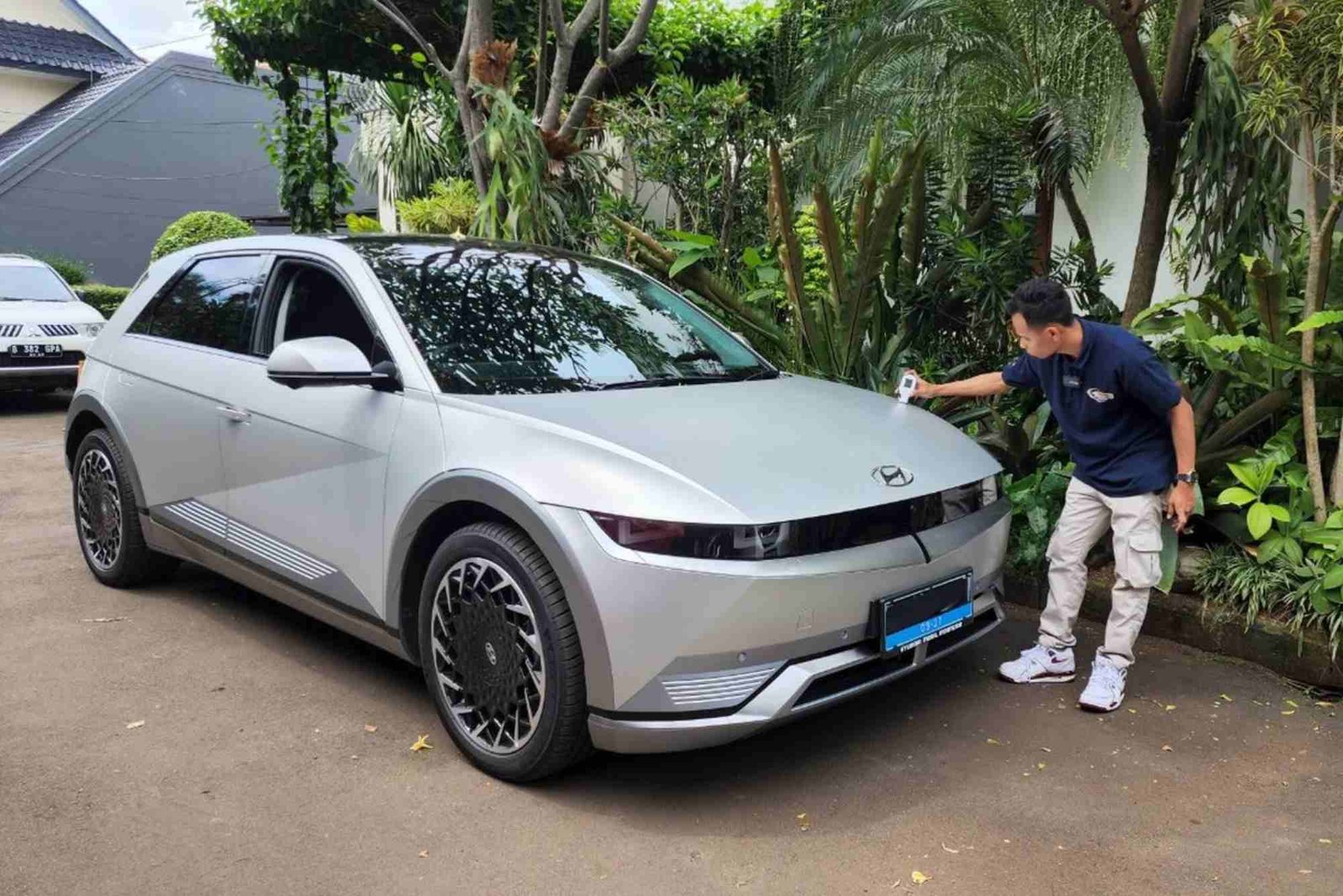
Look for mismatched paint, uneven gaps in panels, or signs of welding that might indicate past accidents.
Check the VIN
Compare the Vehicle Identification Number on the car with the number on the title and any provided documents. Inconsistencies may suggest tampering or theft.
Hire a Professional Mechanic
Even a short inspection by a trusted mechanic can reveal mechanical issues or hidden damage. Investing a few hundred dollars here can save you thousands later.
Verify the Seller
The credibility of the seller is just as important as the car itself.
Private Sellers vs. Dealers
Private sellers can offer better prices but carry higher fraud risks. Licensed dealers are regulated, which adds a layer of safety.
Research Seller Reviews
For dealerships, read online reviews and check ratings with the Better Business Bureau. For private sellers, consider meeting in a public place and verifying their identity.
Ask Questions
A legitimate seller should willingly answer questions about the car’s history, maintenance, and reason for selling. Evasive answers are often a warning sign.
Safe Transaction Practices
Avoid Cash-Only Deals
Paying through traceable methods like bank transfers, checks, or escrow services ensures you have a record of the transaction.
Complete Proper Paperwork
Ensure the title transfer, bill of sale, and registration are completed according to local laws. Incomplete or incorrect paperwork can cause legal headaches later.
Avoid High-Pressure Sales Tactics
Scammers often try to rush you into buying. Take your time to inspect, verify, and ask questions before signing anything.
Additional Tips for Fraud Prevention
- Trust Your Instincts: If something feels off, it probably is. Walk away rather than risk being scammed.
- Check for Liens: Ensure the car isn’t still financed, as unpaid loans could make the vehicle legally untransferable.
- Cross-Check Price: If the price seems too good to be true, it might be a scam. Compare with market value for similar models.
- Keep Records: Save all communication, receipts, and documents. This will help if disputes arise later.
Buying a used car doesn’t have to be risky if you approach it with knowledge and caution. By researching the car, verifying the seller, inspecting the vehicle, and completing safe transactions, you can significantly reduce the risk of fraud. Protect yourself by following these steps — the peace of mind is worth it.
FAQs
How can I tell if a used car has a clean title?
Check the title document, confirm it matches the VIN, and use a vehicle history report from a trusted provider like CARFAX or AutoCheck.
What are the red flags when buying a used car?
Red flags include unusually low prices, incomplete paperwork, inconsistent VINs, and sellers refusing inspections.
Should I get a used car inspected by a mechanic?
Yes, a professional inspection can uncover hidden issues like mechanical failures or accident damage.
Can I trust private sellers when buying a used car?
Private sellers can be trustworthy, but verify their identity, ownership, and the car’s history to reduce risks.
How do I avoid odometer fraud?
Compare the odometer reading with vehicle maintenance records, history reports, and physical wear indicators like pedals and seats.
Future Cars with AI Technology are transforming how we drive. These vehicles use artificial intelligence to navigate roads, avoid accidents, and optimize fuel efficiency. With features like self-driving, smart traffic management, and personalized driving experiences, AI-powered cars promise safer, faster, and more convenient journeys for everyone on the road.