Introduction
Makeup is a powerful tool for self‑expression, boosting confidence, and enhancing natural beauty — but for many people, it can also come with an unwelcome side effect: breakouts. Whether you’re a student, a professional, or just someone who loves to play with color, dealing with acne while wearing makeup can be frustrating and discouraging.
In this article, you’ll learn how to avoid breakouts while using makeup by adopting smart skincare habits, choosing the right products, and applying and removing makeup in ways that protect your skin’s health. These are tips rooted in dermatology best practices and everyday experience — not myths or quick fixes.
Why Makeup Can Cause Breakouts
Before we go further, it’s important to understand why makeup can contribute to breakouts in the first place.
Makeup can trap oil, bacteria, and dead skin cells on the surface of your skin. When pores become clogged and bacteria multiply, inflammation and acne can follow. Other factors like allergic reactions to ingredients, dirty tools, and improper removal all increase the risk of breakouts.
The good news? With the right knowledge and habits, you can enjoy makeup without compromising your skin.
Understanding Your Skin First
Know Your Skin Type
Your skincare and makeup routine should start with knowing your skin type. Skin types can generally be categorized as:
Oily Skin
- Produces excess sebum
- More prone to clogged pores and acne
- Benefits from lightweight, oil‑free products
Dry Skin
- Feels tight, flaky, or rough
- Can be sensitive to makeup that emphasizes dry patches
- Requires gentle hydration and creamy textures
Combination Skin
- Oily in the T‑zone (forehead, nose, chin)
- Dry or normal on cheeks
- Needs carefully balanced products
Sensitive Skin
- Reacts easily to fragrances or harsh ingredients
- Can get redness or irritation
Knowing your skin type helps you choose products that support your skin’s needs rather than make problems worse.
Makeup Products That Help Prevent Breakouts
Choose Non‑Comedogenic Formulas
One of the most important things you can do is select makeup labeled non‑comedogenic, which means it’s less likely to clog pores. This is especially helpful if you have acne‑prone or oily skin.
Examples:
- Non‑comedogenic foundation
- Oil‑free concealers
- Lightweight, breathable powders
Look for Skin‑Friendly Ingredients
Some ingredients can help improve your skin while you wear makeup:
- Hyaluronic Acid: Hydrates without heaviness
- Niacinamide: Helps reduce inflammation and balance oil
- Zinc Oxide: Soothes irritation (often found in SPF products)
Avoid products with heavy oils or heavy fragrances if you know your skin reacts to them.
Avoid Heavy, Thick Formulas
Thick, creamy makeup right on top of oily skin can trap more oil and sweat. If your makeup feels heavy by midday, consider switching to lighter options or formulas labeled “breathable” or “weightless.”
Clean Application Is a Breakout Game‑Changer
Always Start With Clean Tools
Makeup brushes and sponges can become bacteria farms if they’re not cleaned regularly. Dirty tools contribute to breakouts because they spread bacteria and old product back onto your skin.
How often should you clean?
- Brushes: Once a week
- Sponges: After every use
- Tools with heavy buildup: More often
A simple clean with gentle brush cleanser or baby shampoo will keep them hygienic.
Wash Your Hands First
It sounds obvious, but many people forget to wash their hands before applying makeup. Your fingers carry oils and bacteria that can transfer to your face. Always wash your hands first — or use clean tools instead of fingers.
Avoid Double‑Dipping in Pots
Dipping your fingers or tools into makeup pots directly can introduce bacteria. Instead, use a clean spatula or scoop out products onto a clean palette.
Smart Makeup Application Techniques
Start With a Primer
A good primer serves two goals:
- Creates a smooth base for makeup
- Helps makeup stay on longer without needing heavy layers
Look for primers labeled “mattifying” or “pore‑refining” if you have oily or acne‑prone skin.
Apply in Thin Layers
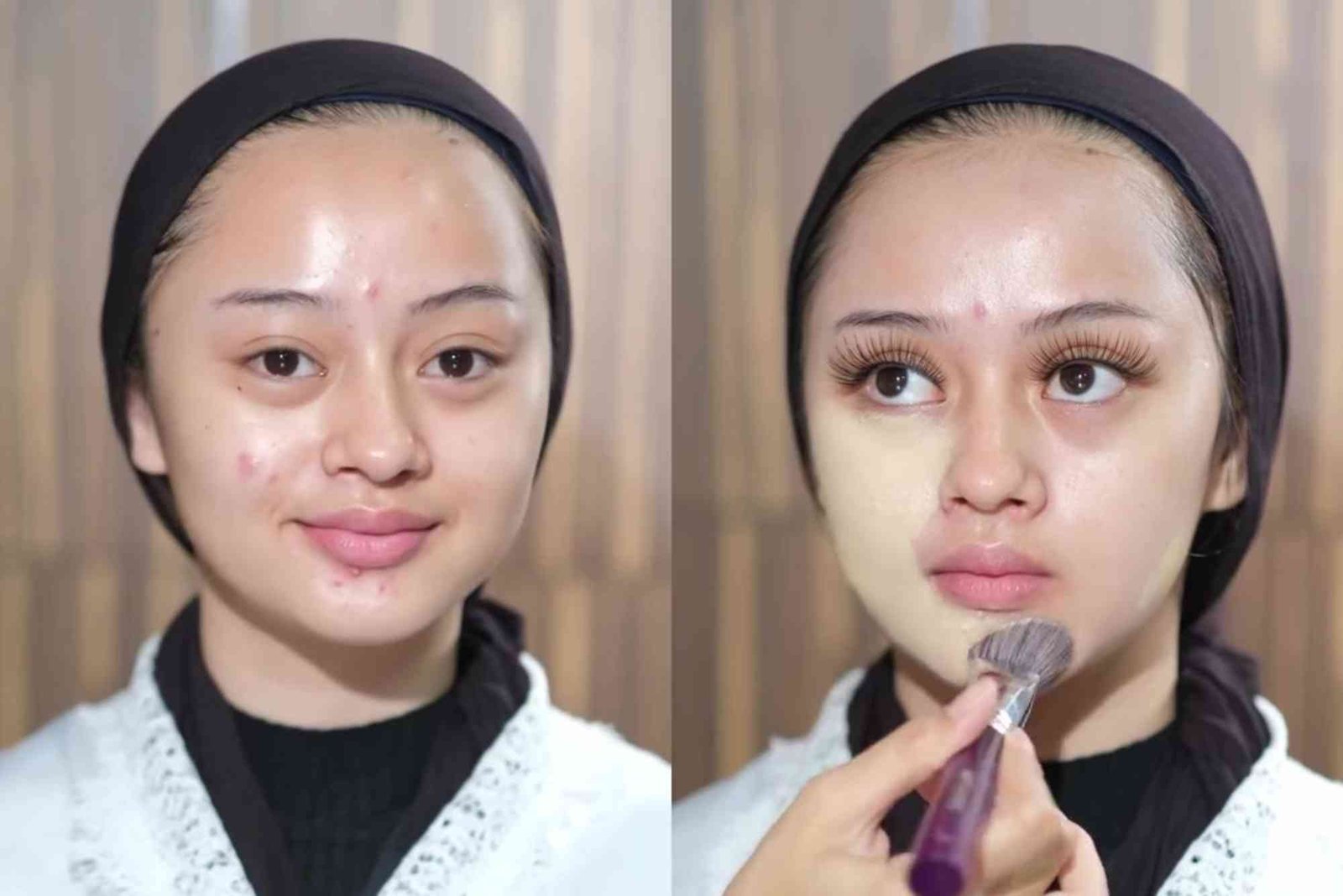
Heavy layers of makeup can clog pores more easily than light layers. Instead of piling on one thick coat, apply in thin, buildable layers. Not only does this reduce the risk of breakouts, it also looks more natural.
Avoid Touching Your Face
Once makeup is on, try not to touch or rest your hands on your face. This transfers dirt and bacteria and can disrupt your makeup and skin barrier.
Skincare Before Makeup
Skincare isn’t separate from makeup — it’s the foundation of healthy skin.
Cleanse With a Gentle Cleanser
Start with a mild, non‑stripping cleanser to remove excess oil and impurities before makeup. Avoid scrubbing harshly, as this irritates skin and can worsen acne.
Use a Lightweight Moisturizer
Even oily skin needs hydration. A lightweight, oil‑free moisturizer before makeup helps maintain balance and prevents skin from overproducing oil in response to dryness.
Don’t Skip Sunscreen
Sun damage can lead to irritation, dark spots, and inflammation. Use an SPF 30 or higher sunscreen or a makeup product with built‑in SPF to protect skin daily.
Special Tips for Acne‑Prone Skin
Use Spot‑Treatments Before Makeup
If you have occasional pimples, a thin layer of a spot‑treatment with salicylic acid or benzoyl peroxide can help reduce inflammation. Wait a few minutes before applying makeup.
Consider Mineral Makeup
Mineral makeup (like mineral powder foundations) can be less irritating for acne‑prone skin because it’s often lighter and free of some common irritants found in traditional makeup.
Avoid Heavy Concealers on Active Acne
Thick concealers can trap oil and make acne worse. Instead, choose lightweight, buildable concealers and apply only where needed. Tap gently — don’t rub or drag.
Removing Makeup Properly to Prevent Breakouts
Never Sleep With Makeup On
Sleeping with makeup on is one of the biggest causes of breakouts. Makeup traps oil, bacteria, and debris overnight, leading to clogged pores.
Double Cleanse at Night
A double cleanse helps ensure all makeup is fully removed:
- First cleanse: Use an oil‑based makeup remover or micellar water to dissolve makeup.
- Second cleanse: Follow with a gentle facial cleanser to wash away residue.
Use a Soft Washcloth
Instead of scrubbing with rough towels or harsh exfoliants, use a soft washcloth to gently remove makeup and cleanse. Rough scrubbing can irritate skin and activate more oil production.
How Diet and Lifestyle Affect Breakouts
Although makeup plays a role, overall lifestyle and diet also influence breakouts.
Hydration Helps Skin Health
Drinking enough water keeps skin hydrated and balanced, which can lower oil production and inflammation.
Limit Excess Sugar and Dairy
Some people find that high sugar intake and excessive dairy correlate with more breakouts. While results vary, reducing these can help if you’re breakout‑prone.
Sleep and Stress Management
Poor sleep and high stress increase cortisol levels, which can trigger more sebum production. Prioritizing good sleep habits and stress relief may improve skin over time.
Choosing Makeup That Works With Your Skin
Patch Test New Products
Every new product deserves a patch test before full‑face use. Apply it on a small area of skin (like behind your ear) for a couple of days to make sure you don’t react.
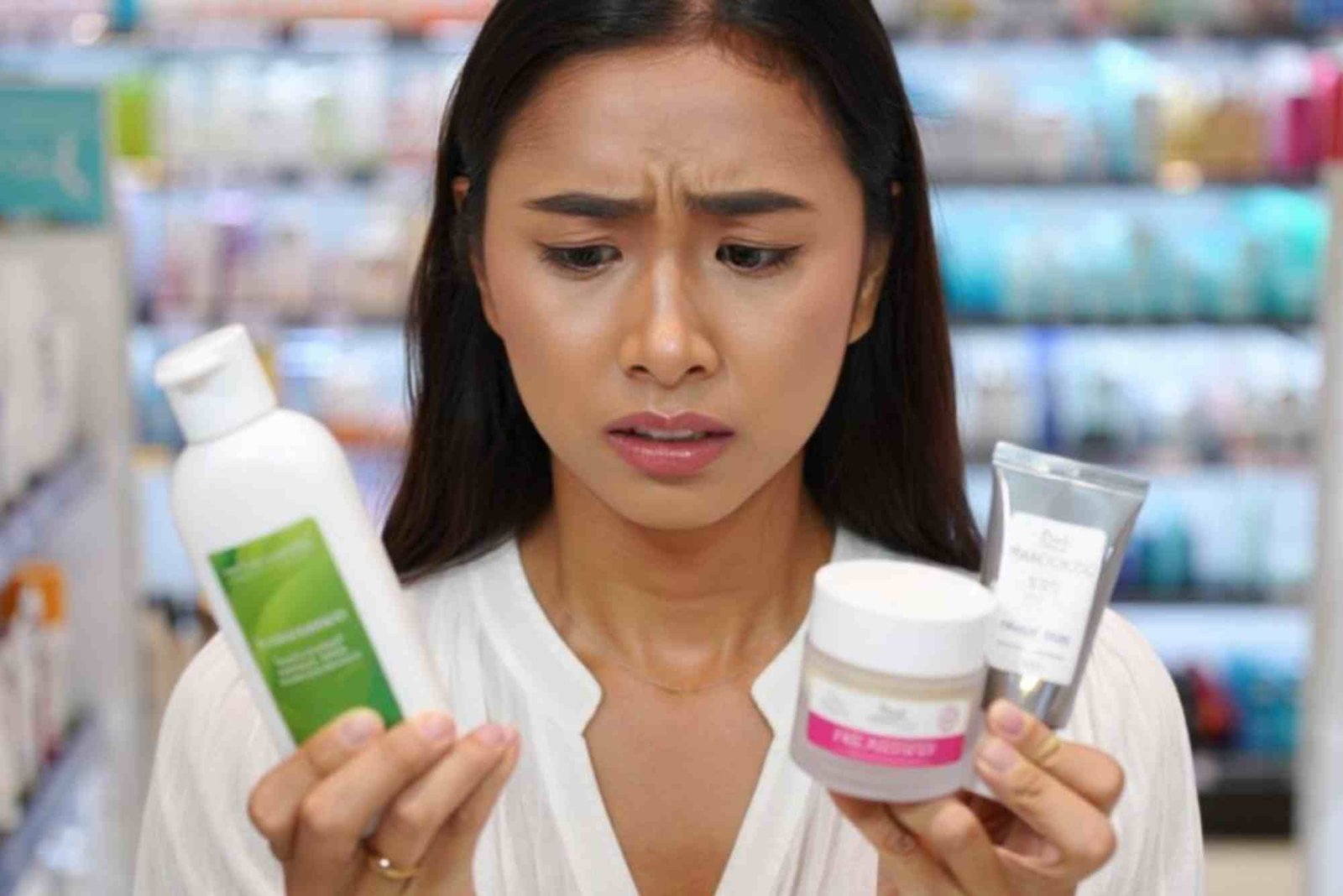
Read Ingredient Labels
Know which ingredients trigger your skin. For example:
- Avoid heavy oils if you’re acne‑prone
- Avoid strong fragrances if you’re sensitive
Rotate Products Seasonally
Your skin changes with the seasons. What works in winter may feel too heavy in summer. Adjust products based on humidity, heat, and how your skin feels.
Daily Makeup Routine for Clear Skin
Here’s an easy, step‑by‑step routine you can follow to avoid breakouts:
- Cleanse with gentle face wash
- Hydrate with lightweight moisturizer
- Apply sunscreen or SPF makeup
- Use primer (optional)
- Apply foundation in thin layers
- Spot conceal only where needed
- Set lightly with powder if desired
- Blot excess oil during the day — avoid adding more product
This routine keeps layers light and breathable while protecting your skin.
What to Do If You Still Get Breakouts
Even with the best habits, occasional breakouts can happen. Here’s how to respond:
- Avoid picking or popping pimples. This worsens inflammation and can lead to scarring.
- Use spot treatments with salicylic acid or benzoyl peroxide to reduce redness.
- Consult a dermatologist if acne is frequent or severe.
Your skin’s health is worth professional guidance when needed.
FAQs
Why does makeup cause breakouts?
Makeup can cause breakouts when products trap oil, dirt, and bacteria in pores. Heavy formulas, dirty tools, and improper removal all contribute to clogged pores and inflammation.
How can I wear makeup without breaking out?
Choose non‑comedogenic products, clean tools regularly, maintain a gentle skincare routine before and after makeup, and remove makeup thoroughly each night.
Are some ingredients in makeup more likely to cause acne?
Yes. Heavy oils, fragrances, and pore‑clogging silicones can irritate or block pores in sensitive or acne‑prone skin. Look for lightweight, non‑comedogenic options instead.
How often should I clean my makeup brushes?
Clean brushes at least once a week and sponges after every use to prevent bacteria buildup.
Can I still wear makeup if I have sensitive skin?
Yes. Opt for fragrance‑free, hypoallergenic products and patch‑test new makeup before full use.
Makeup and Clear Skin Can Coexist
Learning how to avoid breakouts while using makeup doesn’t mean giving up beauty products. It means being intentional about what you use, how you use it, and how you care for your skin every day. With the right products, clean tools, and consistent skincare practices, you can enjoy makeup without sacrificing clear, healthy skin.
Makeup for Studio Photography to Achieve Optimal Results – Achieving flawless photos starts with the right makeup. Studio lighting can wash out your features, so use a matte foundation, subtle contouring, and well-defined eyes. Bold lip colors and proper setting powder help your look stay vibrant on camera, ensuring professional, polished results every shoot.