Introduction
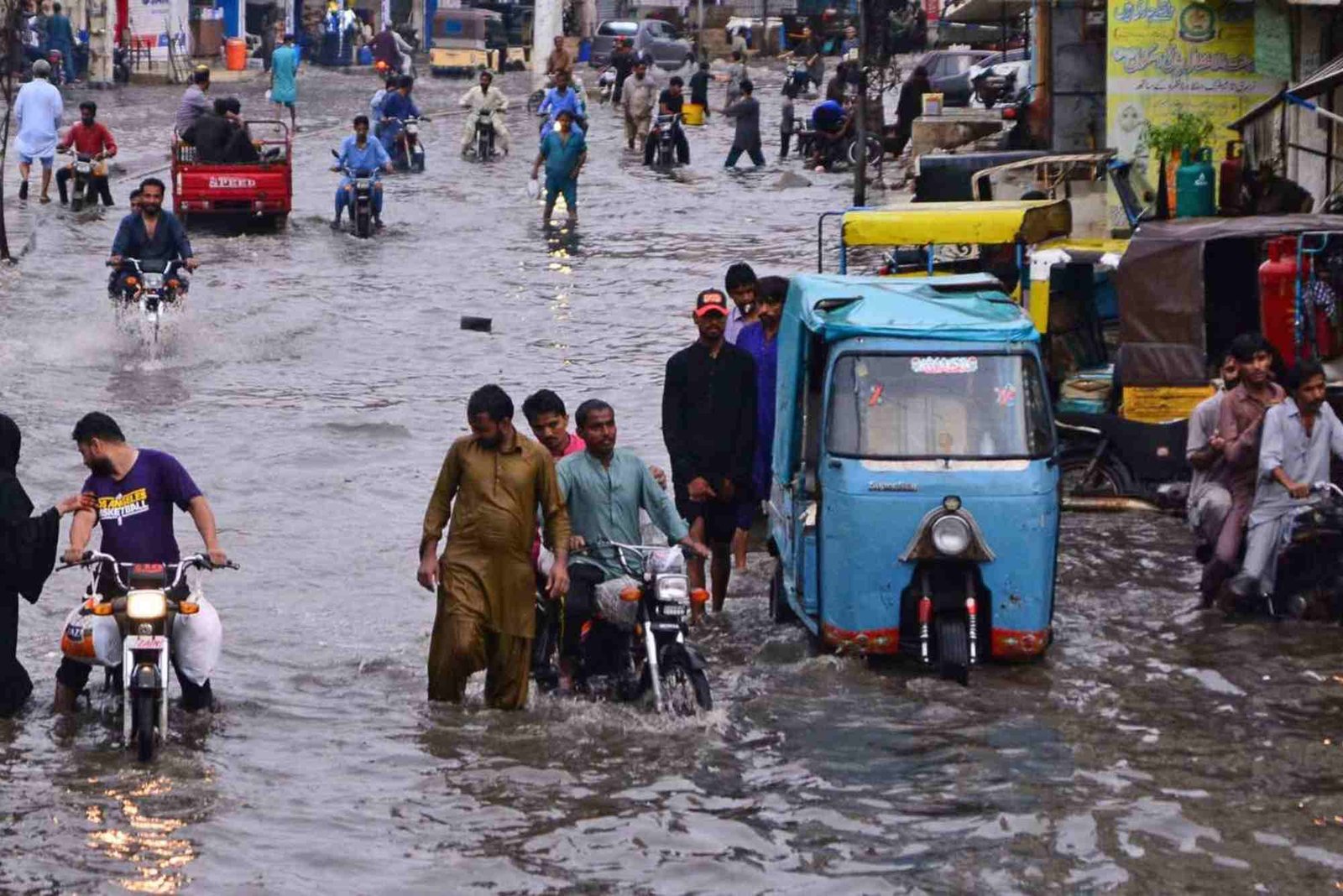
Natural disasters, including floods, hurricanes, and earthquakes, pose significant threats to communities worldwide. They can devastate homes, disrupt infrastructure, and endanger lives. Governments play a critical role in preparing for, responding to, and mitigating the effects of these events. Understanding how the government handles floods and natural disasters can help citizens stay informed and better prepared for emergencies. Effective disaster management requires coordination, planning, and timely action, all aimed at minimizing damage and protecting lives.
Disaster Preparedness: Building a Strong Foundation
One of the first steps in managing floods and natural disasters is preparedness. Governments implement strategies to anticipate potential risks and minimize their impact. This involves mapping high-risk areas prone to floods, landslides, or other hazards. Data from meteorological agencies, satellite imagery, and historical patterns help authorities identify vulnerable regions. These insights guide urban planning and inform local communities about safe zones, evacuation routes, and shelter locations.
Early warning systems are crucial in disaster preparedness. Governments invest in meteorological technology to track weather patterns and issue alerts. Flood warnings, storm advisories, and earthquake notifications are communicated through multiple channels, including television, radio, social media, and mobile alerts. Timely warnings allow communities to evacuate, protect property, and implement safety measures.
Education and community training are also key. Governments often conduct drills, workshops, and awareness campaigns to teach citizens how to respond during disasters. By educating the public on emergency procedures, survival kits, and first aid, governments empower communities to act effectively when disasters strike.
Infrastructure and Engineering Solutions
Governments address floods and natural disasters not only through planning and education but also via physical infrastructure. Dams, levees, and flood barriers are constructed to control water flow and protect populated areas. Improved drainage systems in urban environments prevent waterlogging during heavy rains, reducing the risk of floods.
Urban planning incorporates disaster-resilient designs, such as elevated buildings in flood-prone zones or earthquake-resistant structures in seismic regions. Governments also enforce building codes and regulations to ensure construction meets safety standards. This proactive approach reduces long-term vulnerabilities and mitigates the effects of natural disasters.
Investments in emergency shelters and evacuation centers are essential. These facilities provide safe spaces during floods, storms, or other crises. Equipped with basic necessities, medical support, and communication tools, shelters allow governments to manage large-scale evacuations efficiently. By combining engineering solutions with strategic planning, governments can significantly reduce the human and economic toll of disasters.
Emergency Response: Immediate Action During Crises
When disasters strike, governments initiate emergency response operations to save lives and protect property. Coordination between federal, state, and local agencies is critical for effective action. National disaster management authorities often lead rescue and relief efforts, mobilizing resources such as emergency personnel, medical teams, and equipment.
Floods require swift water rescue operations. Governments deploy boats, helicopters, and high-water vehicles to evacuate stranded individuals. Temporary shelters are established to accommodate displaced residents, offering food, water, and medical care. Relief teams also work to restore electricity, communication networks, and transportation routes, ensuring communities can access essential services.
Communication is a core element of emergency response. Governments maintain hotlines, social media updates, and broadcast announcements to inform citizens about safety measures, road closures, and emergency shelters. Clear and accurate communication prevents panic, reduces confusion, and ensures that citizens follow evacuation instructions.
Disaster response plans often include collaboration with non-governmental organizations (NGOs), volunteers, and international agencies. These partnerships provide additional manpower, medical aid, and relief supplies. By integrating government and community efforts, disaster response becomes faster and more effective.
Financial Aid and Recovery Programs
After the immediate threat subsides, governments focus on recovery and rebuilding. Financial aid is provided to affected families, small businesses, and local governments to restore livelihoods and infrastructure. Compensation schemes, low-interest loans, and grants help residents rebuild homes and businesses damaged by floods or storms.
Governments also invest in long-term recovery projects. Reconstructing roads, bridges, schools, and hospitals ensures communities return to normalcy. Rehabilitation programs address mental health and trauma, helping survivors cope with the aftermath of disasters. By providing both financial and social support, governments enable communities to recover more quickly and build resilience against future disasters.
Insurance schemes are another tool for disaster management. Governments may encourage or subsidize flood and disaster insurance, reducing the financial burden on citizens. Insurance ensures that property damage, medical expenses, and income losses are covered, promoting faster economic recovery.
Risk Mitigation and Climate Adaptation
Preventing disasters from becoming catastrophic events is a priority for governments. Risk mitigation strategies involve both structural and non-structural measures. Structural measures include flood dams, embankments, and stormwater management systems. Non-structural measures focus on policies, regulations, and public awareness to reduce vulnerability.
Climate adaptation strategies have become increasingly important. Rising sea levels, intense rainfall, and changing weather patterns intensify floods and natural disasters. Governments integrate climate resilience into urban planning, agriculture, and infrastructure development. This may involve relocating vulnerable communities, constructing climate-resilient buildings, or implementing water management systems.
Governments also invest in environmental conservation. Forests, wetlands, and mangroves act as natural buffers against floods and storms. Protecting these ecosystems reduces the impact of natural disasters while promoting biodiversity and sustainable development.
Technology and Innovation in Disaster Management
Modern technology plays a significant role in disaster management. Governments utilize satellite imagery, Geographic Information Systems (GIS), and real-time weather data to predict floods and assess risks. Drones are increasingly used for damage assessment, search and rescue, and delivering relief supplies to inaccessible areas.
Artificial intelligence and machine learning help predict disaster patterns and optimize response strategies. Simulation models allow authorities to test emergency plans and identify gaps in disaster preparedness. Mobile apps provide citizens with real-time alerts, evacuation instructions, and resources for survival. By embracing technological innovations, governments enhance the efficiency and effectiveness of disaster management.
Community Engagement and Collaboration
Governments recognize that disaster management is most effective when communities are involved. Local residents, neighborhood associations, and volunteers play a vital role in early warning dissemination, evacuation, and relief efforts. Governments often collaborate with communities to develop localized disaster response plans tailored to specific needs.
Public participation fosters resilience and empowers citizens to take proactive measures. When communities are informed, trained, and engaged, they can support government initiatives, reduce response times, and minimize losses. Collaboration between government, private sector, and civil society ensures a comprehensive approach to disaster management.
The way the government handles floods and natural disasters reflects a combination of preparedness, emergency response, infrastructure investment, and community engagement. By focusing on prevention, immediate action, and long-term recovery, governments protect lives, reduce economic losses, and enhance resilience against future disasters. Citizens benefit from early warning systems, disaster education, and financial support programs, ensuring they are better prepared to face unforeseen events. Understanding these government strategies can help individuals and communities stay safe and respond effectively during crises.
To stay informed and prepared, it is essential to follow government alerts, participate in community drills, and develop personal disaster plans. By working together, governments and citizens can reduce the impact of floods and natural disasters, building safer and more resilient communities.
Government policy on renewable energy plays a crucial role in shaping a sustainable future. By promoting solar, wind, and other clean energy sources, governments can reduce carbon emissions, create jobs, and ensure energy security. Incentives, subsidies, and regulatory frameworks encourage investment in renewable projects, making green energy more accessible. Effective policies drive innovation, support economic growth, and help nations transition toward a low-carbon, environmentally friendly energy landscape.
FAQ
How does the government warn citizens about floods?
Governments use early warning systems, mobile alerts, television, radio, and social media to inform citizens about impending floods.
What is the role of emergency shelters during disasters?
Emergency shelters provide safe spaces with basic necessities for displaced individuals, ensuring their survival and well-being.
How does the government support recovery after floods?
Financial aid, grants, loans, and infrastructure rebuilding programs help communities recover and restore normalcy after disasters.
Can technology predict natural disasters accurately?
While not perfect, technology like GIS, satellite imagery, and AI improves disaster prediction and response planning significantly.
How do communities help in disaster management?
Communities assist in early warning dissemination, evacuations, and supporting relief efforts, enhancing overall disaster resilience.
What measures prevent floods from causing major damage?
Flood barriers, improved drainage, climate adaptation, and ecosystem protection reduce the impact of floods on communities.
By understanding and engaging with government strategies, citizens can play an active role in disaster preparedness, helping to save lives and reduce economic and social damage. Effective disaster management requires everyone’s participation to build safer, more resilient communities.