Introduction
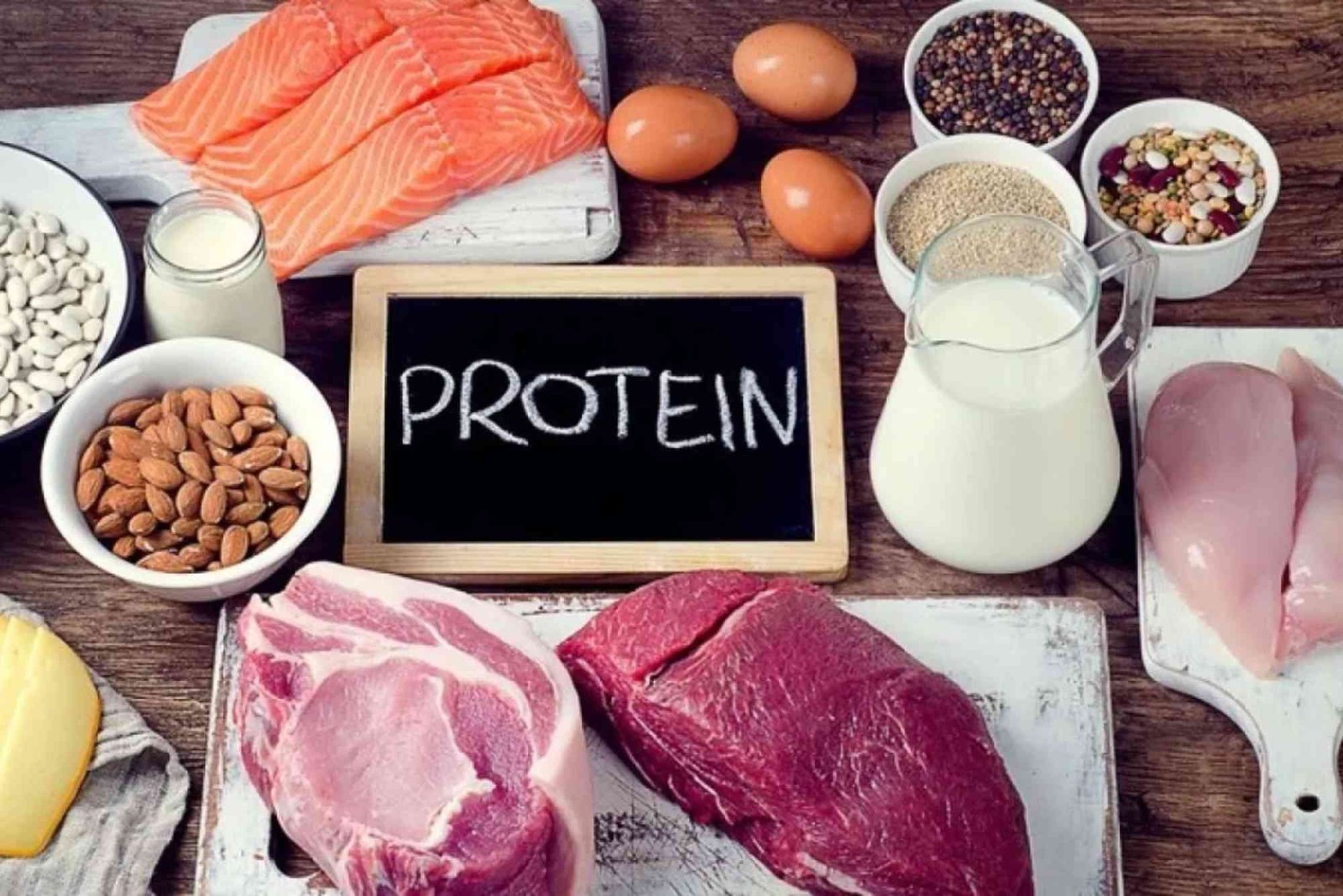
Living an active lifestyle demands more from your body. Whether you’re hitting the gym, training for a marathon, managing a physically demanding job, or simply trying to stay energized throughout the day, nutrition plays a critical role in performance and recovery. Among all nutrients, high-protein foods stand out as essential building blocks for strength, endurance, and overall wellness.
Protein isn’t just for bodybuilders. It supports muscle repair, hormone production, immune function, and even helps maintain healthy skin and hair. If you’re serious about maintaining an active lifestyle, choosing the right high-protein foods can make a noticeable difference in how you feel and perform.
Let’s explore how protein works, which foods deliver the most benefits, and how to incorporate them into your daily routine without overcomplicating your diet.
Why High-Protein Foods Matter for an Active Lifestyle
Muscle Repair and Growth
Every time you exercise—whether strength training or cardio—you create tiny tears in your muscle fibers. This is normal and healthy. High-protein foods provide the amino acids your body needs to repair these fibers, making them stronger and more resilient over time.
Without adequate protein, recovery slows down, and progress stalls.
Sustained Energy Levels
Contrary to popular belief, protein isn’t just about muscles. It helps stabilize blood sugar levels, preventing energy crashes. Including high-protein foods in meals and snacks keeps you feeling fuller longer and supports steady energy throughout the day.
Improved Metabolism
Protein has a higher thermic effect compared to carbohydrates and fats. That means your body burns more calories digesting protein. For active individuals aiming to maintain lean muscle or manage weight, this can be a helpful advantage.
How Much Protein Do You Actually Need?
Protein needs vary depending on activity level:
- Sedentary adults: ~0.8g per kg of body weight
- Active individuals: 1.2–2.0g per kg
- Strength athletes: 1.6–2.2g per kg
For example, someone weighing 70kg who exercises regularly may need between 84g and 140g of protein daily.
Instead of obsessing over numbers, focus on including high-protein foods in every meal. Spreading intake evenly across the day is more effective than consuming it all at once.
Best Animal-Based High-Protein Foods
Animal sources provide complete proteins, meaning they contain all nine essential amino acids.
Eggs
Eggs are one of the most efficient and affordable high-protein foods available. A single egg contains about 6–7 grams of high-quality protein.
Why they’re great:
- Rich in leucine (key for muscle building)
- Quick to prepare
- Versatile for breakfast, lunch, or snacks
Chicken Breast
Lean, affordable, and protein-dense, chicken breast contains around 31 grams of protein per 100 grams.
It’s ideal for meal prep and pairs well with vegetables, rice, or salads.
Greek Yogurt
Greek yogurt offers nearly double the protein of regular yogurt—about 15–20 grams per serving.
It’s excellent for:
- Post-workout recovery
- Smoothies
- High-protein breakfast bowls
Salmon
Salmon provides both protein (around 22g per 100g) and heart-healthy omega-3 fatty acids.
For active individuals, omega-3s help reduce inflammation and support joint health.
Lean Beef
Lean cuts of beef are rich in protein, iron, and vitamin B12—important nutrients for energy production and oxygen transport in the body.
Best Plant-Based High-Protein Foods
Plant-based high-protein foods are perfect for vegetarians, vegans, or anyone looking to diversify their diet.
Lentils
Lentils offer about 18 grams of protein per cooked cup. They’re also high in fiber and iron, making them ideal for sustained energy.
Chickpeas
Chickpeas provide roughly 14–15 grams of protein per cup. Add them to salads, curries, or roast them for a crunchy snack.
Tofu and Tempeh
Made from soybeans, tofu and tempeh are complete protein sources.
- Tofu: ~20g protein per cup
- Tempeh: ~30g protein per cup
They absorb flavors well and work beautifully in stir-fries or grilled dishes.
Quinoa
Unlike most grains, quinoa contains all essential amino acids. It delivers around 8 grams of protein per cooked cup.
It’s an excellent alternative to rice or pasta.
Nuts and Seeds
Almonds, chia seeds, and pumpkin seeds provide moderate protein along with healthy fats. While not as protein-dense as legumes or animal products, they’re excellent additions to snacks and breakfasts.
High-Protein Snacks for Busy Days
An active lifestyle often means limited time. Smart snacking with high-protein foods prevents overeating and supports muscle recovery.
Cottage Cheese
Rich in casein protein, cottage cheese digests slowly, making it perfect before bed or between meals.
Protein Smoothies
Blend:
- Greek yogurt or protein powder
- Banana
- Peanut butter
- Oats
This combination delivers a powerful protein and carb mix ideal post-workout.
Hard-Boiled Eggs
Portable and convenient, they’re one of the easiest high-protein foods to carry on the go.
Roasted Edamame
Crunchy, satisfying, and protein-rich—great for desk snacks.
Timing Your High-Protein Foods for Maximum Benefit
Pre-Workout
Consume 15–25g of protein with some carbohydrates 1–2 hours before exercise. This supports muscle preservation and energy.
Example:
- Greek yogurt with fruit
- Peanut butter toast with milk
Post-Workout
Within 30–60 minutes after training, aim for 20–40g of protein to kickstart recovery.
Example:
- Grilled chicken with rice
- Protein smoothie
- Eggs and toast
Before Bed
Casein-rich high-protein foods like cottage cheese help repair muscles overnight.
Common Mistakes When Increasing Protein Intake
Overreliance on Supplements
Protein powders are convenient but shouldn’t replace whole high-protein foods. Real food offers additional nutrients, fiber, and healthy fats.
Ignoring Hydration
Higher protein intake increases water needs. Stay hydrated to support digestion and kidney function.
Skipping Fiber
When focusing heavily on animal-based high-protein foods, some people forget fiber. Include vegetables, fruits, and whole grains for balance.
Balancing High-Protein Foods with Other Nutrients
Protein is essential, but it’s not the only nutrient that matters.
For peak performance:
- Combine protein with complex carbs for energy
- Include healthy fats for hormone balance
- Add colorful vegetables for antioxidants
A well-balanced plate supports not just muscles, but overall health and longevity.
Sample High-Protein Day Plan
Breakfast:
Scrambled eggs with spinach + whole-grain toast
Snack:
Greek yogurt with berries
Lunch:
Grilled chicken salad with quinoa
Snack:
Handful of almonds + apple
Dinner:
Baked salmon with roasted vegetables
This approach distributes high-protein foods throughout the day for optimal absorption and recovery.
FAQs
What are the highest protein foods?
Chicken breast, lean beef, salmon, eggs, Greek yogurt, lentils, and tempeh rank among the highest protein foods per serving.
Is eating high-protein foods every day safe?
Yes, for healthy individuals, consuming high-protein foods daily is safe and beneficial, especially for those who exercise regularly. Balance and hydration are key.
Can high-protein foods help with weight loss?
Absolutely. Protein increases satiety and helps preserve muscle during calorie deficits, making high-protein foods useful for fat loss.
Are plant-based high-protein foods as effective as animal protein?
Yes. When properly combined (or when choosing complete proteins like soy and quinoa), plant-based high-protein foods can fully support muscle growth and recovery.
How much protein do I need to build muscle?
Most research suggests 1.6–2.2g per kg of body weight for optimal muscle growth when combined with resistance training.
Choosing the right high-protein foods isn’t about following trends—it’s about giving your body what it genuinely needs to perform, recover, and thrive.
Focus on whole, nutrient-dense sources. Distribute protein throughout your day. Pair it with smart carbs and healthy fats. Most importantly, listen to your body and adjust based on your activity level.
How to Save on Monthly Shopping Expenses starts with smart planning and mindful spending. Create a monthly budget, make a shopping list, and avoid impulse purchases. Compare prices, use discount coupons, and buy in bulk for essentials. Tracking your expenses regularly helps you cut unnecessary costs and build better financial habits over time.