Introduction
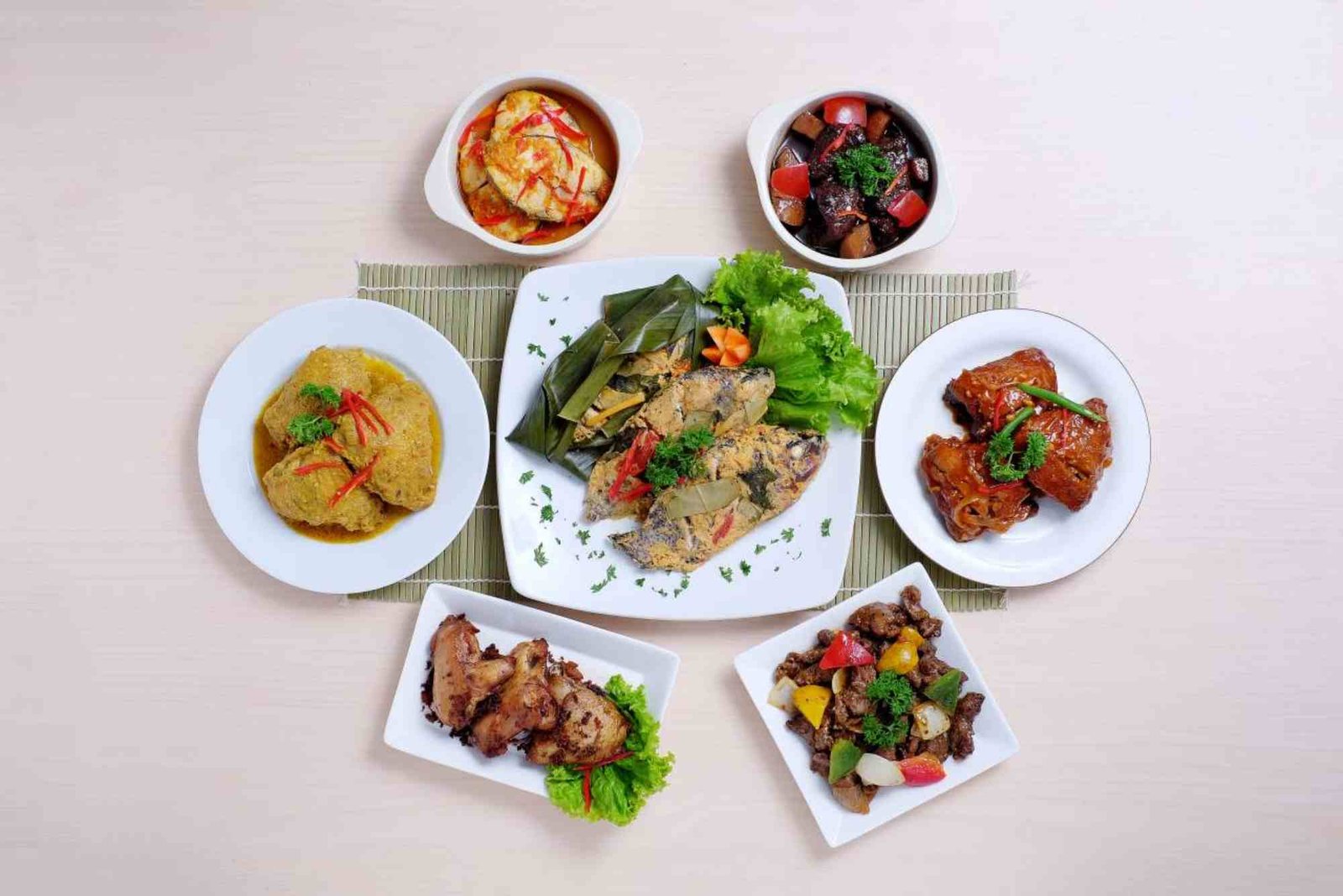
Eating healthy doesn’t have to be complicated or time-consuming. With the right planning, you can design a practical daily menu that fuels your body, keeps your energy stable, and supports your long-term health goals. A well-balanced diet incorporates a variety of nutrient-rich foods, easy-to-prepare meals, and flexible options that fit your lifestyle. In this guide, we’ll explore practical strategies, meal ideas, and tips to make healthy eating simple, enjoyable, and sustainable.
Why a Practical Daily Menu Matters
Balance Is Key
A practical daily menu ensures that your body receives the right mix of carbohydrates, proteins, fats, vitamins, and minerals. This balance helps maintain energy, improve focus, and reduce cravings throughout the day.
Saves Time and Reduces Stress
Planning meals ahead prevents last-minute unhealthy choices. By prepping ingredients or entire meals in advance, you save time and avoid the stress of deciding what to eat on a busy day.
Supports Long-Term Health
A consistent, nutrient-dense diet reduces the risk of chronic diseases like obesity, diabetes, and heart problems. By focusing on healthy foods for your daily menu, you’re investing in your long-term wellness.
Components of a Healthy Daily Menu
Nutrient-Rich Breakfast
Whole Grains
Start your day with whole grains like oatmeal, whole wheat toast, or quinoa. These provide slow-releasing energy and keep you full longer.
Protein Sources
Include eggs, Greek yogurt, or plant-based proteins such as tofu or chia seeds. Protein supports muscle repair and satiety.
Fresh Fruits
Add a serving of fresh fruit for natural sweetness, vitamins, and antioxidants. Berries, bananas, and citrus fruits are excellent choices.
Satisfying and Healthy Lunch
Lean Proteins
Opt for lean meats like chicken or turkey, fish rich in omega-3 fatty acids, or plant-based proteins like lentils and chickpeas.
Vegetables
Fill half your plate with colorful vegetables. Leafy greens, peppers, carrots, and broccoli are nutrient-dense and help maintain gut health.
Complex Carbohydrates
Brown rice, whole grain pasta, and sweet potatoes provide sustained energy without causing blood sugar spikes.
Energizing Snacks
Nuts and Seeds
Almonds, walnuts, and pumpkin seeds are rich in healthy fats and protein. They’re easy to pack for on-the-go snacking.
Fruits and Veggies
Carrot sticks, cucumber slices, or apple wedges paired with nut butter make for satisfying and nutrient-rich snacks.
Yogurt or Smoothies
Low-fat yogurt or a homemade fruit smoothie can provide protein, probiotics, and essential nutrients while keeping hunger in check.
Nourishing Dinner
Protein Focus
For dinner, prioritize a lean protein source such as grilled salmon, turkey, or plant-based options like tempeh.
Fiber-Rich Vegetables
Roasted or steamed vegetables like zucchini, asparagus, and Brussels sprouts support digestion and provide essential vitamins.
Healthy Fats
Incorporate sources of healthy fats like olive oil, avocado, or a small portion of nuts to promote heart health and satiety.
Hydration Matters
Water Intake
Aim for at least 8 glasses of water per day. Proper hydration supports metabolism, digestion, and overall energy levels.
Herbal Teas
Green tea or chamomile tea can aid digestion, reduce stress, and add variety to your daily fluids.
Tips for Creating a Practical Daily Menu
Plan Ahead
Creating a weekly meal plan reduces decision fatigue and encourages healthier choices. Consider batch cooking proteins or prepping vegetables in advance.
Portion Control
Use smaller plates or pre-measured servings to avoid overeating while ensuring you get enough nutrients.
Include Variety
Rotate proteins, vegetables, and grains to prevent nutrient deficiencies and make meals more enjoyable.
Mindful Eating
Eat slowly, savor your food, and listen to your body’s hunger cues. This helps prevent overeating and promotes digestion.
Adapt to Your Lifestyle
Choose meals that fit your schedule and preferences. Practical daily menus should be flexible, not restrictive.
Sample Practical Daily Menu
Breakfast: Oatmeal topped with blueberries and a spoon of almond butter
Snack: Apple slices with peanut butter
Lunch: Grilled chicken breast, quinoa, and roasted vegetables
Snack: Greek yogurt with chia seeds
Dinner: Baked salmon, steamed broccoli, and sweet potato
Drink: Water and herbal teas throughout the day
This sample menu is balanced, easy to prepare, and provides sustained energy for an active day.
FAQs
How can I make healthy eating affordable?
Focus on seasonal vegetables, whole grains, and legumes. Buying in bulk, planning meals, and reducing processed foods can lower costs.
Can I follow a practical daily menu if I’m vegetarian?
Absolutely! Replace animal proteins with beans, lentils, tofu, tempeh, and nuts. Make sure to include a variety of vegetables and whole grains.
What if I don’t have time to cook every day?
Meal prepping once or twice a week can save time. Cook in batches and store meals in the fridge or freezer.
How do I avoid boredom with my daily menu?
Rotate recipes, try new vegetables, use different spices, and experiment with healthy sauces to keep mealsexciting.
Are snacks necessary in a healthy daily menu?
Snacks can help maintain energy and prevent overeating at main meals. Choose nutrient-dense options like fruits, nuts, or yogurt.
Creating a healthy food daily menu doesn’t have to be overwhelming. By focusing on balanced meals, planning ahead, and incorporating variety, you can enjoy nutritious, practical, and delicious meals every day. Start small, experiment with recipes, and find a routine that works for your lifestyle.
Tips for Choosing High-Quality Coffee Products – Choosing the best coffee starts with knowing the origin, roast type, and freshness. Look for whole beans, check the roast date, and prefer ethically sourced options. Smell, taste, and packaging quality also help ensure a rich, flavorful cup every time.