Introduction
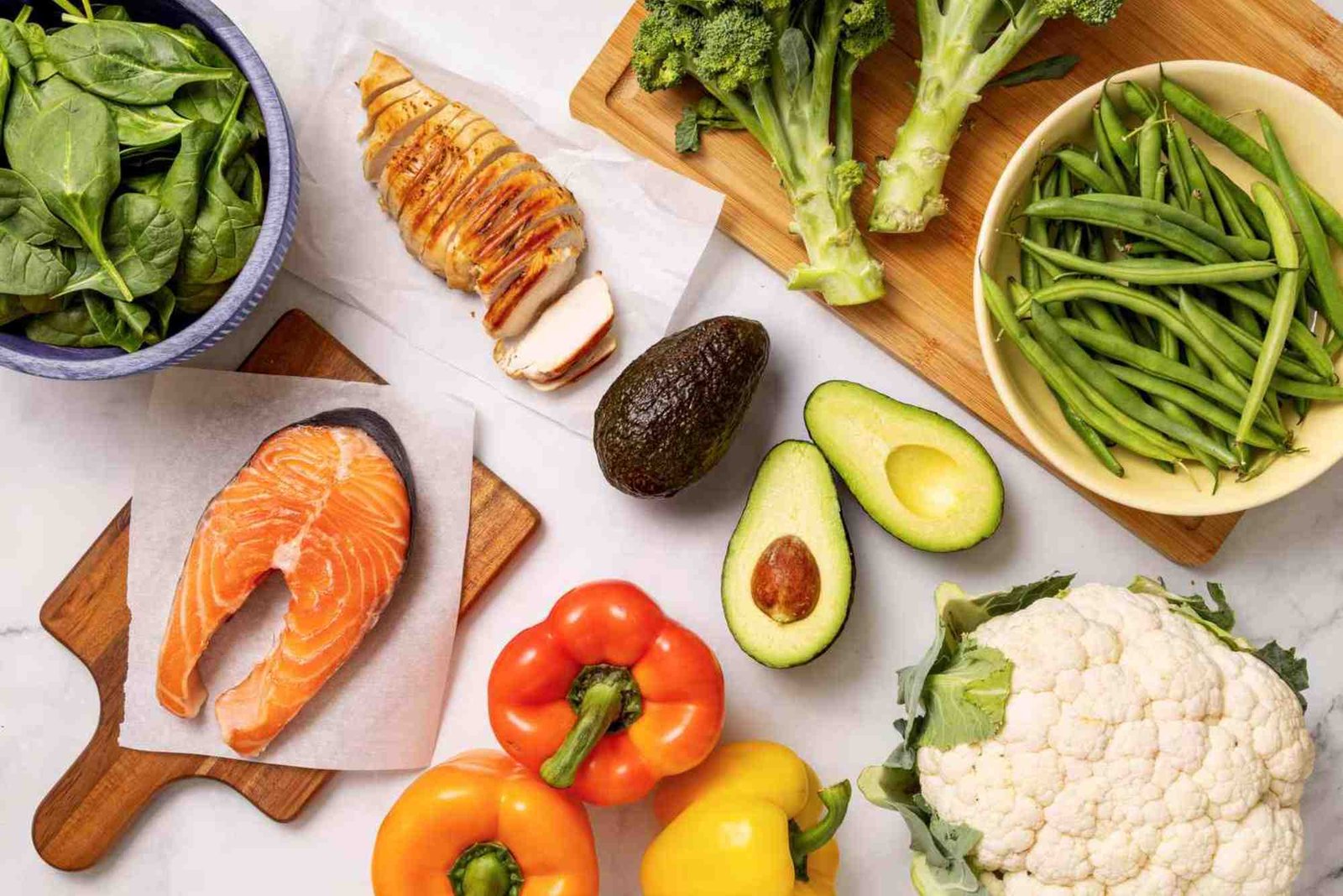
A low-carbohydrate diet has become increasingly popular for weight management, improved energy levels, and better metabolic health. Choosing the right foods suitable for a low-carbohydrate diet is essential for maintaining balanced nutrition while reducing carbohydrate intake. While cutting carbs may seem restrictive, understanding which foods provide essential nutrients without excessive sugar or starch can make the journey both satisfying and sustainable. This guide explores various categories of low-carb foods, highlighting their benefits and practical ways to incorporate them into everyday meals.
Understanding Low-Carbohydrate Diets
A low-carbohydrate diet emphasizes reducing the intake of sugars and starches while increasing protein and healthy fat consumption. The main goal is to shift the body’s primary energy source from carbohydrates to fats, promoting a process called ketosis in extreme low-carb diets. This dietary approach is often used for weight loss, controlling blood sugar, improving insulin sensitivity, and enhancing heart health. Foods suitable for a low-carbohydrate diet are typically nutrient-dense and include vegetables, proteins, healthy fats, and certain dairy products.
Protein-Rich Foods
Lean Meats
Lean meats, such as chicken breast, turkey, and lean cuts of beef, are excellent sources of protein with minimal carbohydrates. Protein is essential for muscle repair, hormone regulation, and maintaining a feeling of fullness. Including lean meats in a low-carb diet provides the necessary energy and supports weight management without spiking blood sugar levels. Preparing these meats with herbs, spices, or healthy oils enhances flavor without adding unnecessary carbs.
Fish and Seafood
Fish and seafood are naturally low in carbohydrates while being high in protein and healthy omega-3 fatty acids. Salmon, mackerel, sardines, and tuna not only support heart and brain health but also contribute to anti-inflammatory benefits. Shellfish like shrimp, crab, and lobster are also suitable choices. Including a variety of seafood in a low-carb diet ensures essential nutrient intake while keeping carbohydrate levels low.
Eggs
Eggs are a versatile, nutrient-rich food perfect for a low-carbohydrate diet. They contain high-quality protein, essential vitamins, and minerals while having virtually no carbs. Eggs can be prepared in various ways, including boiled, scrambled, or baked, offering flexibility for meals and snacks. They also provide choline, which supports brain health, making eggs an excellent staple in low-carb eating plans.
Low-Carbohydrate Vegetables
Leafy Greens
Leafy greens, such as spinach, kale, arugula, and Swiss chard, are low in carbs yet high in fiber, vitamins, and minerals. They add volume to meals without increasing carbohydrate intake significantly. Including leafy greens in salads, stir-fries, or smoothies provides essential antioxidants and promotes digestive health. Their low glycemic impact makes them ideal for blood sugar management.
Cruciferous Vegetables
Cruciferous vegetables, including broccoli, cauliflower, Brussels sprouts, and cabbage, are highly nutritious and suitable for a low-carbohydrate diet. They are rich in fiber, vitamin C, and compounds that support detoxification and heart health. Roasting, steaming, or lightly sautéing these vegetables preserves their nutrients while making them delicious. They also provide a sense of fullness, which helps reduce overall calorie consumption.
Other Low-Carb Vegetables
Vegetables like zucchini, bell peppers, cucumbers, asparagus, and mushrooms offer variety while maintaining a low carbohydrate profile. These vegetables can be roasted, grilled, or added to soups and stews. They contribute to hydration, fiber intake, and essential vitamins, making meals more satisfying and nutrient-dense without relying on starchy carbs.
Healthy Fats
Nuts and Seeds
Nuts and seeds, such as almonds, walnuts, chia seeds, and flaxseeds, are rich in healthy fats, fiber, and protein, making them ideal snacks or meal additions. While they contain some carbohydrates, the fiber content helps minimize blood sugar spikes. Incorporating these into a low-carb diet can improve heart health, support brain function, and provide sustained energy.
Avocados
Avocados are a unique low-carb fruit loaded with monounsaturated fats, fiber, and potassium. They contribute to heart health, support digestion, and help regulate blood sugar. Avocados are versatile and can be used in salads, spreads, smoothies, or even as a base for healthy desserts, making them a valuable component of a low-carb diet.
Olive Oil and Coconut Oil
Healthy oils like olive oil and coconut oil are excellent sources of fats for cooking or drizzling over meals. Olive oil is rich in monounsaturated fats and antioxidants, while coconut oil provides medium-chain triglycerides, which are quickly metabolized for energy. Using these oils instead of butter or refined oils enhances flavor and supports overall health while maintaining a low carbohydrate intake.
Dairy and Alternatives
Cheese
Cheese is naturally low in carbohydrates and provides protein, calcium, and healthy fats. Varieties like cheddar, mozzarella, and goat cheese can be enjoyed in moderation within a low-carb diet. Cheese can be added to salads, omelets, or eaten as a snack, making it a convenient and satisfying option.
Greek Yogurt
Plain Greek yogurt is lower in carbohydrates than regular yogurt and provides protein and probiotics. It can support digestive health and help manage hunger. Pairing Greek yogurt with a few nuts or berries adds flavor and texture without exceeding carbohydrate limits. It is an excellent choice for breakfasts, snacks, or even low-carb desserts.
Milk Alternatives
Unsweetened almond milk, coconut milk, and other plant-based milk alternatives can replace regular milk in beverages or recipes. They offer flavor and nutrients without the high carbohydrate content of cow’s milk. Choosing unsweetened versions ensures that added sugars do not disrupt a low-carb eating plan.
Low-Carb Fruits
While fruits generally contain natural sugars, certain options are suitable for a low-carbohydrate diet. Berries, such as strawberries, blueberries, and raspberries, are lower in carbs and high in antioxidants. These fruits can be enjoyed in moderation, adding flavor, fiber, and essential vitamins without significantly impacting carbohydrate intake.
Tips for Planning Low-Carb Meals
Successful low-carbohydrate meal planning focuses on balance and variety. Start by prioritizing protein and healthy fat sources, then fill the plate with low-carb vegetables. Incorporating herbs, spices, and low-carb sauces enhances taste without adding hidden sugars. Preparing meals ahead of time ensures compliance with dietary goals and reduces the temptation to reach for high-carb convenience foods. Monitoring portion sizes and keeping track of carbohydrate intake helps maintain consistency and achieve desired health outcomes.
Health Benefits of Low-Carbohydrate Foods
Consuming foods suitable for a low-carbohydrate diet can offer multiple health benefits. These include effective weight management, improved blood sugar control, reduced triglycerides, and increased HDL cholesterol. Low-carb foods are often nutrient-dense, providing essential vitamins, minerals, and antioxidants. Many people also report better energy levels and mental clarity when reducing excessive carbohydrate intake, particularly refined sugars and processed foods. By focusing on whole, low-carb foods, individuals can enjoy a sustainable and health-promoting eating plan.
Common Mistakes to Avoid
One common mistake in a low-carb diet is cutting out too many nutrients along with carbohydrates. Relying solely on proteins and fats without sufficient vegetables can lead to nutrient deficiencies and digestive issues. Another pitfall is consuming processed low-carb products, which may contain hidden sugars or unhealthy additives. Staying informed, reading nutrition labels, and focusing on whole, unprocessed foods ensures that a low-carb diet is both effective and healthful.
Practical Meal Ideas
Incorporating low-carb foods into daily meals can be both enjoyable and creative. A breakfast of scrambled eggs with spinach and avocado provides protein, fiber, and healthy fats. Lunch could include a grilled chicken salad with mixed greens, nuts, and olive oil dressing. Dinner might feature baked salmon with roasted cauliflower and asparagus. Snacks such as Greek yogurt with a few berries, or a handful of almonds, offer quick, nutrient-dense options. These meal ideas demonstrate that a low-carb diet does not have to be bland or monotonous.
Adopting a low-carbohydrate diet can significantly improve health, support weight management, and enhance energy levels. By focusing on foods suitable for a low-carbohydrate diet, including proteins, vegetables, healthy fats, and selective fruits, individuals can enjoy diverse and satisfying meals. Planning and preparation are key to maintaining consistency and achieving long-term results. Start integrating these low-carb foods into your daily routine today, and experience the benefits of balanced nutrition combined with reduced carbohydrate intake.
Eco-friendly foods are gaining popularity as people seek healthier and sustainable choices. From plant-based meals to locally sourced organic produce, these foods reduce environmental impact while promoting well-being. Consumers are embracing options like meat alternatives, eco-conscious snacks, and zero-waste packaging. Choosing eco-friendly foods supports the planet, encourages ethical farming, and makes everyday meals both nutritious and sustainable.
FAQ
What foods are considered low in carbohydrates?
Foods low in carbohydrates include lean meats, fish, eggs, leafy greens, cruciferous vegetables, nuts, seeds, and certain dairy products.
Can I eat fruits on a low-carb diet?
Yes, but choose low-carb fruits such as berries. These provide antioxidants and fiber without high sugar content.
Are nuts and seeds suitable for a low-carb diet?
Yes, nuts and seeds are rich in healthy fats, protein, and fiber. They are ideal snacks or meal additions in moderation.
What are the benefits of a low-carb diet?
A low-carb diet can help with weight loss, blood sugar control, heart health, improved energy, and mental clarity.
Is dairy allowed on a low-carb diet?
Yes, cheese, Greek yogurt, and unsweetened milk alternatives are suitable options. Avoid flavored or sweetened dairy products.
How can I plan low-carb meals effectively?
Prioritize proteins and healthy fats, include low-carb vegetables, use herbs and spices for flavor, and prepare meals ahead to stay on track.