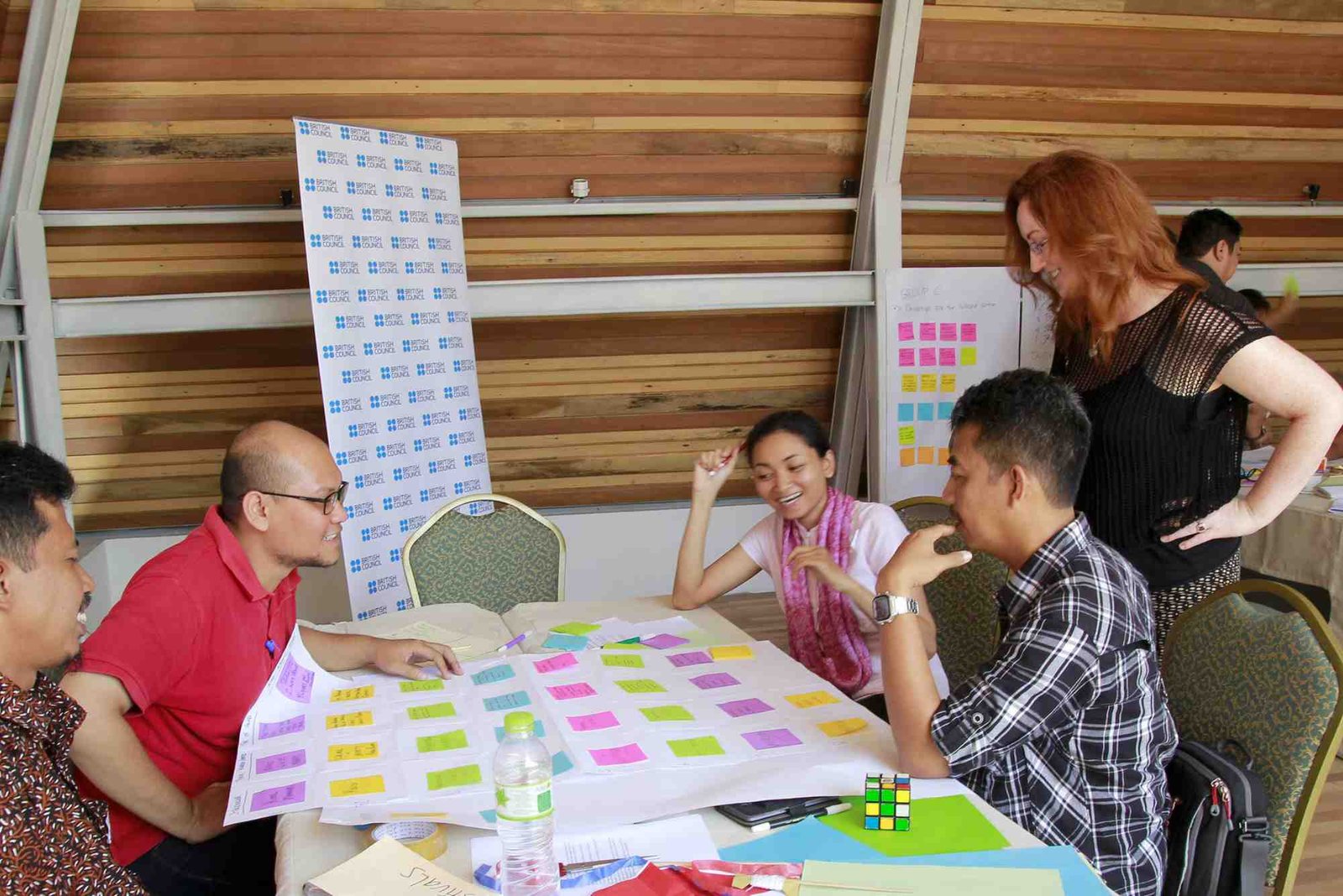
Introduction
In today’s fast-paced world, creative spaces—both physical and virtual—are essential for innovation and collaboration. But a space alone isn’t enough; the community culture within it defines whether it thrives or stagnates. Building a positive, creative environment requires intention, empathy, and actionable strategies that encourage participation, trust, and mutual respect.
Whether you’re running a co-working hub, an online creative forum, or a local artist collective, the principles of nurturing community culture remain the same. This guide explores practical ways to create a welcoming, collaborative, and productive space that sparks creativity and fosters lasting connections.
Understanding Community Culture
What is Community Culture?
Community culture refers to the shared values, behaviors, and norms that guide interactions within a group. In a creative context, it influences how people exchange ideas, provide feedback, and support one another. A strong, positive culture encourages risk-taking, experimentation, and open dialogue—key ingredients for innovation.
Why Community Culture Matters
- Encourages Collaboration: People feel comfortable sharing ideas when they trust the environment.
- Boosts Creativity: A supportive culture reduces fear of judgment, leading to more innovative thinking.
- Retains Members: Communities with healthy culture see higher engagement and member loyalty.
- Builds Reputation: Word spreads when a community is known for positivity and inclusivity, attracting talent and opportunities.
Core Principles of a Positive Creative Space
Inclusivity and Diversity
Embrace Different Perspectives
A truly creative space thrives on variety. Different backgrounds, skills, and experiences enrich discussions and lead to unexpected solutions. Celebrate diverse voices and ensure everyone has equal opportunities to contribute.
Implement Clear Guidelines
Create community guidelines that promote respectful interaction. Encourage members to challenge ideas, not people, and make clear that harassment or discrimination is unacceptable.
Trust and Psychological Safety
Foster Open Communication
Encourage members to speak freely without fear of criticism. Open communication channels, anonymous feedback options, and regular check-ins help maintain trust.
Recognize Vulnerability
Creativity often involves risk. When community leaders model vulnerability by sharing their own challenges and learning experiences, members are more likely to take bold steps themselves.
Shared Vision and Values
Define the Purpose
A clear mission unites members. Whether your goal is artistic growth, tech innovation, or social impact, communicating a shared vision gives people a sense of belonging.
Align Actions with Values
Culture isn’t just words—it’s how the community behaves daily. Celebrate actions that reflect your values and address behaviors that contradict them.
Engagement and Participation
Encourage Active Involvement
Host workshops, brainstorming sessions, and collaborative projects. Gamify participation or offer recognition to motivate members to engage consistently.
Listen and Adapt
Solicit feedback regularly and show members that their input matters. Adapt policies or activities based on what works best for the community.
Practical Strategies to Build a Positive Creative Culture
Design the Physical and Virtual Space Thoughtfully
- Comfortable and Functional Layouts: Use open layouts that facilitate interaction. Include quiet zones for focused work.
- Visual Inspiration: Decorate spaces with artwork, quotes, or project showcases to inspire creativity.
- Digital Accessibility: Online communities should have intuitive interfaces, clear categories, and spaces for informal interactions.
Leadership and Role Modeling
- Lead by example—demonstrate respect, inclusivity, and curiosity.
- Encourage mentorship programs where experienced members guide newcomers.
- Recognize contributions publicly to reinforce positive behavior.
Celebrate Creativity and Success
- Highlight achievements, big or small, to build morale.
- Organize exhibitions, presentations, or virtual showcases.
- Encourage peer recognition through awards or shout-outs.
Conflict Resolution and Feedback Culture
- Address conflicts quickly and transparently.
- Train moderators or leaders in mediation techniques.
- Normalize constructive feedback as part of the learning process.
Encourage Learning and Experimentation
- Offer skill-building workshops and collaborative projects.
- Celebrate failures as learning opportunities rather than mistakes.
- Create “sandbox” environments where members can test ideas without pressure.
Case Studies: Successful Creative Communities
Co-Working Spaces
Many co-working hubs like WeWork have thrived by emphasizing culture over infrastructure. Regular social events, mentorship programs, and a focus on inclusivity create an environment where members feel valued and inspired.
Online Creative Communities
Platforms such as Behance or Dribbble foster a culture of collaboration by showcasing work, encouraging feedback, and celebrating achievements—demonstrating that even virtual spaces benefit from strong community culture.
Maintaining and Evolving Culture
Monitor and Measure Engagement
- Use surveys, polls, or analytics to track participation and satisfaction.
- Identify drop-off points or areas where members feel disengaged.
Adapt to Change
Communities are living organisms. As membership grows or external circumstances shift, continuously reassess your policies and practices to ensure they still support a positive creative culture.
Building a positive creative space is an ongoing journey, not a one-time effort. By fostering inclusivity, trust, engagement, and continuous learning, you can create a community culture that encourages innovation, collaboration, and long-term growth.
A vibrant community culture doesn’t just improve creativity—it transforms people’s experiences, turning ordinary spaces into hubs of inspiration. Start today by assessing your current environment and implementing even one small change to make it more welcoming, collaborative, and creative.
FAQs
How do I encourage participation in a creative community?
Offer workshops, collaborative projects, recognition, and gamified activities. Listen to member feedback and adapt based on interests and engagement levels.
What makes a creative community successful?
Success comes from inclusivity, psychological safety, shared vision, active engagement, and ongoing learning opportunities.
How can I handle conflicts in my community?
Address issues quickly, remain neutral, follow clear guidelines, and train moderators in mediation techniques.
Can online communities have the same culture as physical spaces?
Yes. Online communities benefit from clear communication, engagement initiatives, recognition, and spaces for informal interaction.
Why is community culture important for creativity?
A positive culture fosters trust, reduces fear of failure, encourages idea-sharing, and attracts motivated, innovative members.
Wedding Traditions in Indonesia: Various Ceremonies and Their Meanings explore rich cultural rituals that differ across regions. From the Javanese siraman cleansing ceremony to the Balinese mejajan offerings, each tradition symbolizes blessings, unity, and respect for ancestors. These ceremonies reflect Indonesia’s deep cultural heritage and communal values.