Introduction
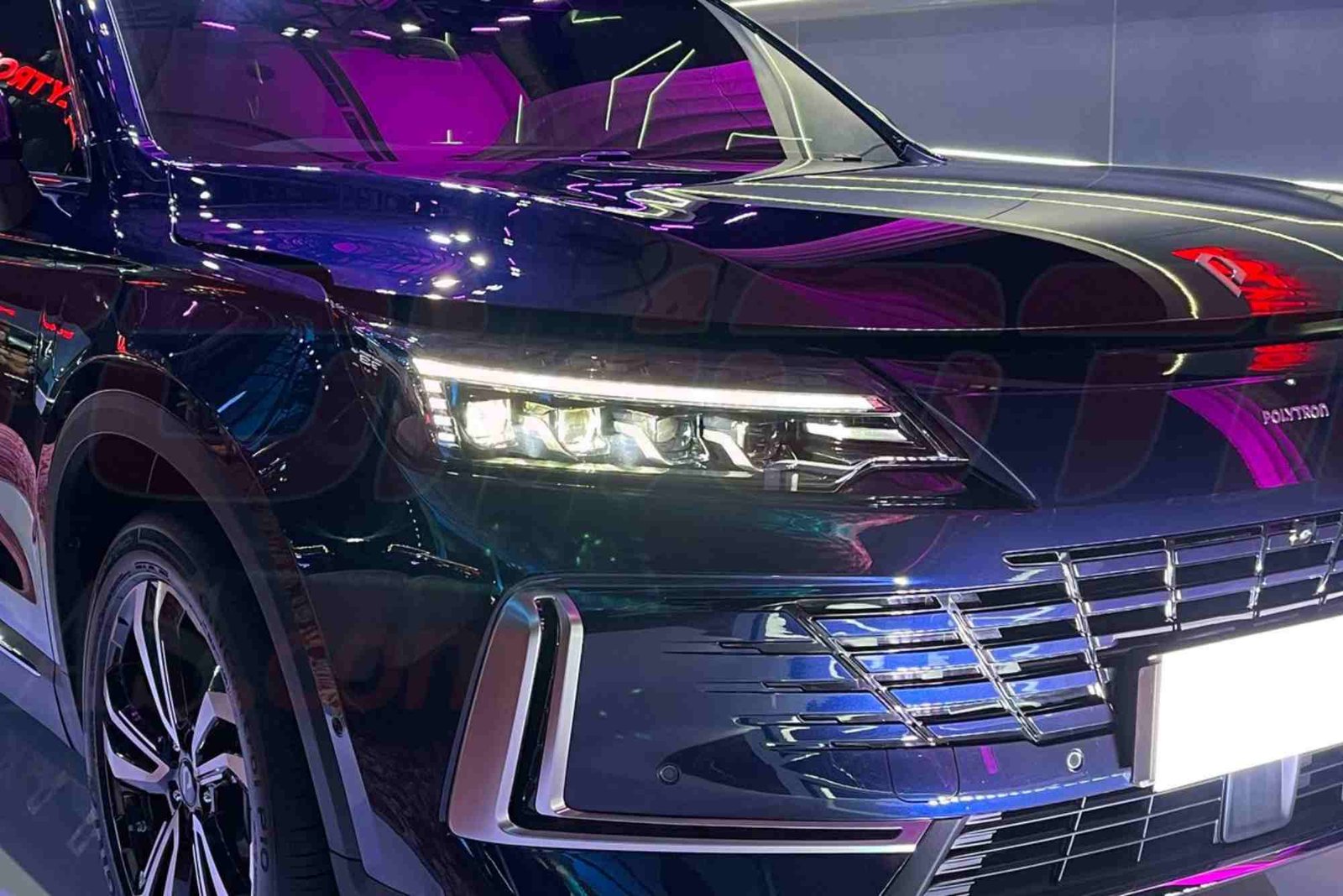
Car headlight modification has become increasingly popular among automotive enthusiasts who want their vehicles to stand out while driving safely at night. However, many drivers are unaware that modifying headlights incorrectly can lead to safety hazards, legal issues, and unnecessary glare for other motorists. This guide provides practical, safe, and effective tips for upgrading your car headlights, ensuring they are bright enough for visibility but do not blind oncoming traffic. Whether you’re considering LED upgrades, projector retrofits, or custom headlight designs, following proper guidelines is essential for a secure and stylish driving experience.
Understanding Car Headlight Modification
What Is Headlight Modification?
Headlight modification involves altering your vehicle’s factory lighting system to improve aesthetics, performance, or both. Modifications can range from simple upgrades, like replacing halogen bulbs with LED or HID alternatives, to complex retrofitting of projectors or custom housings.
Benefits of Proper Modification
- Enhanced Visibility: Bright and well-aligned headlights improve nighttime driving safety.
- Aesthetic Appeal: Modern LED or projector headlights can give your car a sleek, updated look.
- Reduced Glare: Properly installed headlights prevent blinding other drivers.
- Increased Longevity: Quality upgrades often last longer than stock bulbs.
Legal Considerations
Before modifying headlights, check your local regulations. Some countries or states restrict the type of lighting, color temperature, and beam intensity allowed on public roads. Installing illegal headlights can result in fines or failed inspections.
Types of Headlight Modifications
LED Upgrades
LED bulbs are popular for their brightness, energy efficiency, and long lifespan. They produce a clear, white light that enhances road visibility.
Advantages:
- Lower power consumption
- Brighter light output
- Long-lasting performance
Tips for Safe Installation:
- Ensure proper heat dissipation using built-in fans or heat sinks.
- Match beam patterns to your vehicle’s reflector housing to avoid glare.
- Use bulbs rated for your car to prevent electrical issues.
HID Conversion Kits
High-Intensity Discharge (HID) lights use xenon gas to produce intense light. They are brighter than halogen bulbs and can illuminate the road further.
Advantages:
- Superior brightness and range
- Energy-efficient compared to halogens
Safety Tips:
- Always pair HIDs with projectors or proper reflectors.
- Avoid using HIDs in housings designed for halogens; this causes glare.
- Choose a color temperature between 4300K and 6000K for optimal visibility.
Projector Retrofits
Projector headlights focus light into a precise beam, reducing scatter and glare. Retrofits are often paired with LED or HID bulbs.
Benefits:
- Cleaner, more focused light
- Minimal glare for oncoming traffic
- Modern aesthetic upgrade
Installation Advice:
- Seek professional installation to align the projector properly.
- Ensure the projector housing is sealed to prevent moisture buildup.
- Use high-quality bulbs to maximize beam performance.
Custom Headlight Designs
Custom headlights include colored halos, DRLs (Daytime Running Lights), and smoked lenses. While visually striking, they must comply with road safety regulations.
Tips:
- Avoid colors that are illegal for headlights (e.g., red or blue in most countries).
- Keep brightness within safe limits.
- Combine style with functionality by ensuring the main beam remains effective.
Safety Tips for Headlight Modification
Correct Alignment
Proper headlight alignment prevents blinding other drivers and ensures the road ahead is visible. Misaligned headlights reduce driving safety and increase accident risk.
- DIY Tip: Use a flat wall and measure the height of the beam from the ground. Adjust the vertical and horizontal angles to match your car’s specifications.
Avoid Over-Brightening
Too-bright headlights can create glare for oncoming vehicles. Even the best LEDs or HIDs can be unsafe if improperly installed.
- Tip: Follow manufacturer guidelines for lumen output. Avoid exceeding 3,500 lumens per bulb for standard vehicles.
Ensure Heat Management
High-performance bulbs generate heat that can damage housings or wiring.
- Tip: Use fans or heat sinks for LED lights and ensure adequate ventilation in projector retrofits.
Regular Maintenance
Headlights can become dim over time due to oxidation or dirt buildup.
- Tip: Clean lenses regularly and check bulb performance to maintain optimal brightness.
Installation Best Practices
Professional vs. DIY
While many enthusiasts prefer DIY upgrades, professional installation ensures:
- Correct alignment
- Safe wiring
- Compliance with local regulations
Wiring and Electrical Safety
- Use proper connectors and fuses.
- Avoid splicing wires without insulation.
- Double-check polarity for LEDs and HIDs to prevent flickering.
Testing and Adjustments
After installation:
- Test headlights on a flat, open area at night.
- Adjust the beam to avoid glare for oncoming traffic.
- Confirm both low and high beams function correctly.
FAQs
Can I install LED bulbs in halogen housings?
Yes, but it is not ideal. LEDs may scatter light in a halogen reflector, causing glare. Projector housings are better suited for LED upgrades.
How bright should my headlights be?
A safe range is 3,000–3,500 lumens per bulb for standard road use. Excessive brightness can blind other drivers.
Are HID kits legal for all vehicles?
Not always. Many regions restrict HIDs unless installed in projector housings. Check local laws before upgrading.
How often should I clean or replace headlights?
Clean lenses monthly and replace bulbs every 1–3 years depending on type and usage. Oxidized lenses reduce light output significantly.
Can custom colored headlights be used on public roads?
Most colored lights (red, blue, green) are illegal for headlights in public roads. Stick to white or slightly yellow tones.
Car headlight modification offers both aesthetic appeal and practical benefits, but safety should always be the priority. Proper installation, alignment, and selection of bulbs can make your night driving safer, brighter, and more stylish without causing glare for others. By following these tips, you can enjoy a modern headlight setup that enhances your vehicle’s appearance and performance while staying compliant with regulations.
Wheel Care Tips: How to Clean and Prevent Rust/Corrosion – Keeping your wheels clean not only improves your car’s appearance but also prevents rust and corrosion. Regular washing, using a quality wheel cleaner, and applying a protective wax or sealant can extend their life. Avoid harsh chemicals and brake dust buildup for long-lasting, shiny wheels.