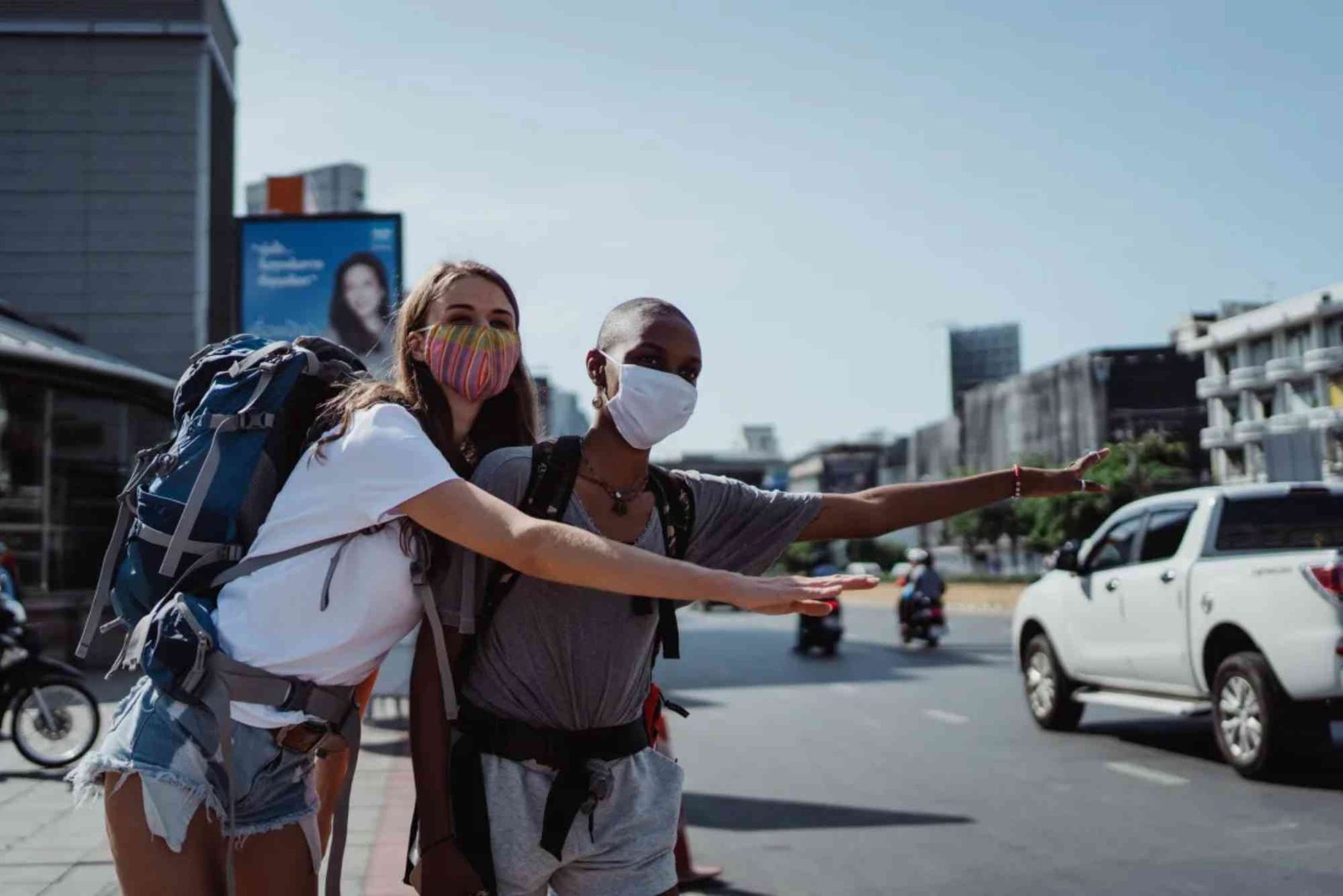
Traveling the world on a tight budget is not only possible but incredibly rewarding. Backpacking allows you to explore new cultures, meet fellow travelers, and experience life from a different perspective, all while keeping expenses low. With proper planning, smart choices, and a sense of adventure, anyone can enjoy an unforgettable journey without breaking the bank. This guide is designed to help backpackers maximize their experience while minimizing costs, providing actionable tips and insights based on real-world travel experience.
Planning Your Budget Travel Adventure
Effective budget travel starts long before you pack your bag. Planning is crucial to ensure your trip is cost-effective and smooth. The first step is to decide on your destination. Consider countries with lower living costs, affordable public transport, and a wide range of budget-friendly accommodations. Southeast Asia, Eastern Europe, and parts of South America are popular among backpackers for this reason.
Next, create a flexible itinerary. While spontaneity is part of the charm of backpacking, having a rough plan helps in managing costs. Include major destinations, travel routes, and approximate dates. Flexible itineraries allow you to take advantage of last-minute deals, cheaper transport options, and free events in cities.
Budgeting your trip is equally important. List your expected expenses for accommodation, food, transportation, activities, and miscellaneous items. Allocate extra funds for emergencies or unexpected opportunities. Using budgeting apps or spreadsheets can keep your finances in check and prevent overspending while on the road.
Finding Affordable Accommodation
Accommodation often takes the largest share of a travel budget, but backpackers have numerous options to save money. Hostels are the most popular choice, offering shared dorms, social environments, and amenities at a fraction of hotel costs. Many hostels also include free breakfast, Wi-Fi, and common spaces to meet other travelers.
Guesthouses and homestays are alternatives that offer cultural immersion at affordable rates. Staying with locals not only reduces costs but also provides insider tips on the best places to eat, visit, and explore. Websites and apps like Hostelworld, Booking.com, and Couchsurfing are useful tools for finding budget-friendly stays. Booking in advance is recommended for peak seasons, while spontaneous travelers can negotiate prices on arrival in off-peak months.
Another cost-saving strategy is house-sitting or volunteering in exchange for accommodation. Programs like Workaway or WWOOF allow travelers to work a few hours a day in exchange for lodging and sometimes meals, offering a unique way to stretch your budget and experience local life.
Traveling on a Budget
Transportation is another major factor in budget travel. Backpackers often rely on low-cost carriers, buses, trains, and even shared rides to move between destinations. Booking flights well in advance, using budget airlines, and traveling mid-week can result in significant savings.
For overland travel, buses and trains are often cheaper than flights, and they offer the chance to see the countryside along the way. Night buses or trains can double as accommodation, saving both time and money. Consider investing in rail passes or city transport cards for long-term travel, which can reduce costs significantly.
Local transport options like bicycles, scooters, or rideshare apps are not only economical but also give you a more authentic experience of the city or town. Walking whenever possible is free and allows you to explore hidden gems that are off the typical tourist path.
Eating Well Without Overspending
Food is a daily expense that can quickly add up, but backpackers have many ways to eat well on a budget. Street food, local markets, and small eateries often provide delicious meals at a fraction of restaurant prices. Eating like a local is not only cost-effective but also enhances the travel experience.
Cooking your meals is another practical strategy. Many hostels have shared kitchens where travelers can prepare their food. Shopping at local grocery stores or markets helps reduce costs and allows you to try fresh, regional ingredients.
When dining out, avoid tourist-heavy areas where prices are inflated. Ask locals for recommendations or follow social media groups and travel forums for budget-friendly dining tips. Limiting alcohol consumption in expensive bars and buying beverages from stores can also save money.
Budget-Friendly Activities and Experiences
Backpackers often worry about missing out on experiences due to budget constraints, but many adventures are free or low-cost. Walking tours, public parks, hiking trails, and local festivals offer rich experiences without expensive entrance fees.
Museums, historical sites, and cultural attractions often have discounted days or free admission hours. Research ahead of time to take advantage of these opportunities. Engaging in volunteer programs or joining community events can also provide unique experiences while keeping expenses minimal.
Prioritize experiences that matter most to you instead of trying to do everything. Quality over quantity ensures a memorable journey without straining your budget.
Packing Smart for Budget Travel
Packing light is crucial for backpackers. A smaller, well-organized backpack not only saves money on transport but also makes mobility easier. Focus on essential clothing, versatile items, and travel-sized toiletries. Quality gear like a reliable backpack, comfortable shoes, and a durable water bottle can prevent unnecessary expenses on replacements during the trip.
Technology also plays a role in efficient backpacking. Download maps offline, use travel apps for budgeting and finding deals, and keep electronic copies of important documents. Minimizing unnecessary items reduces baggage fees and keeps you agile while moving between destinations.
Staying Safe and Healthy on a Budget
Budget travel doesn’t mean compromising safety or health. Always research your destinations, understand local customs, and stay aware of potential risks. Travel insurance is an essential investment for emergencies, medical needs, and unexpected events. It may seem like an extra cost but can save significant expenses in critical situations.
Maintaining health on a budget involves simple habits like drinking safe water, washing hands regularly, and keeping a basic first-aid kit. Eating fresh local food, staying active, and getting sufficient rest contribute to a safe and enjoyable journey.
Making the Most of Your Backpacking Experience
Budget travel is not just about saving money; it’s about embracing a lifestyle of flexibility, creativity, and discovery. Engaging with local communities, learning basic phrases in the local language, and respecting cultural norms enhance the travel experience. Social interactions with fellow backpackers can lead to shared adventures, advice, and lifelong friendships.
Documenting your journey through photos, journals, or blogs helps preserve memories and can inspire others to embark on their own backpacking adventure. Stay open-minded, embrace challenges, and see every obstacle as an opportunity to learn and grow.
Backpacking on a budget is both achievable and rewarding. With careful planning, smart choices, and a willingness to explore beyond the usual tourist routes, you can experience the world fully without overspending. From affordable accommodations and transportation to budget-friendly meals and free activities, every aspect of your journey can be managed efficiently. Start small, plan wisely, and embrace the adventure with an open heart. Travel light, save smart, and create memories that last a lifetime.
Choosing the right travel agency can make or break your vacation experience. A professional agency ensures smooth planning, reliable bookings, and personalized recommendations. From comparing packages to checking credentials, knowing what to look for saves time and stress. Learn how to pick a trusted travel partner here:
FAQs
How can I travel internationally on a tight budget?
Research affordable destinations, book flights in advance, and use budget airlines or trains. Stay in hostels or homestays and eat like a local to reduce costs.
What is the cheapest way to get around while backpacking?
Public transport, buses, trains, and shared rides are economical. Walking or renting a bicycle is free and immersive. Night buses or trains can save both travel time and accommodation costs.
How do I find budget accommodation safely?
Use trusted platforms like Hostelworld, Booking.com, or Couchsurfing. Read reviews, compare prices, and confirm amenities before booking. Consider hostels, guesthouses, or volunteering programs for cost-effective stays.
Can I eat well without overspending while traveling?
Yes, local markets, street food, and shared kitchens in hostels are budget-friendly options. Avoid tourist areas and buy groceries for self-prepared meals.
Is backpacking safe for solo travelers?
With proper planning, awareness of surroundings, and travel insurance, solo backpacking is generally safe. Connect wit