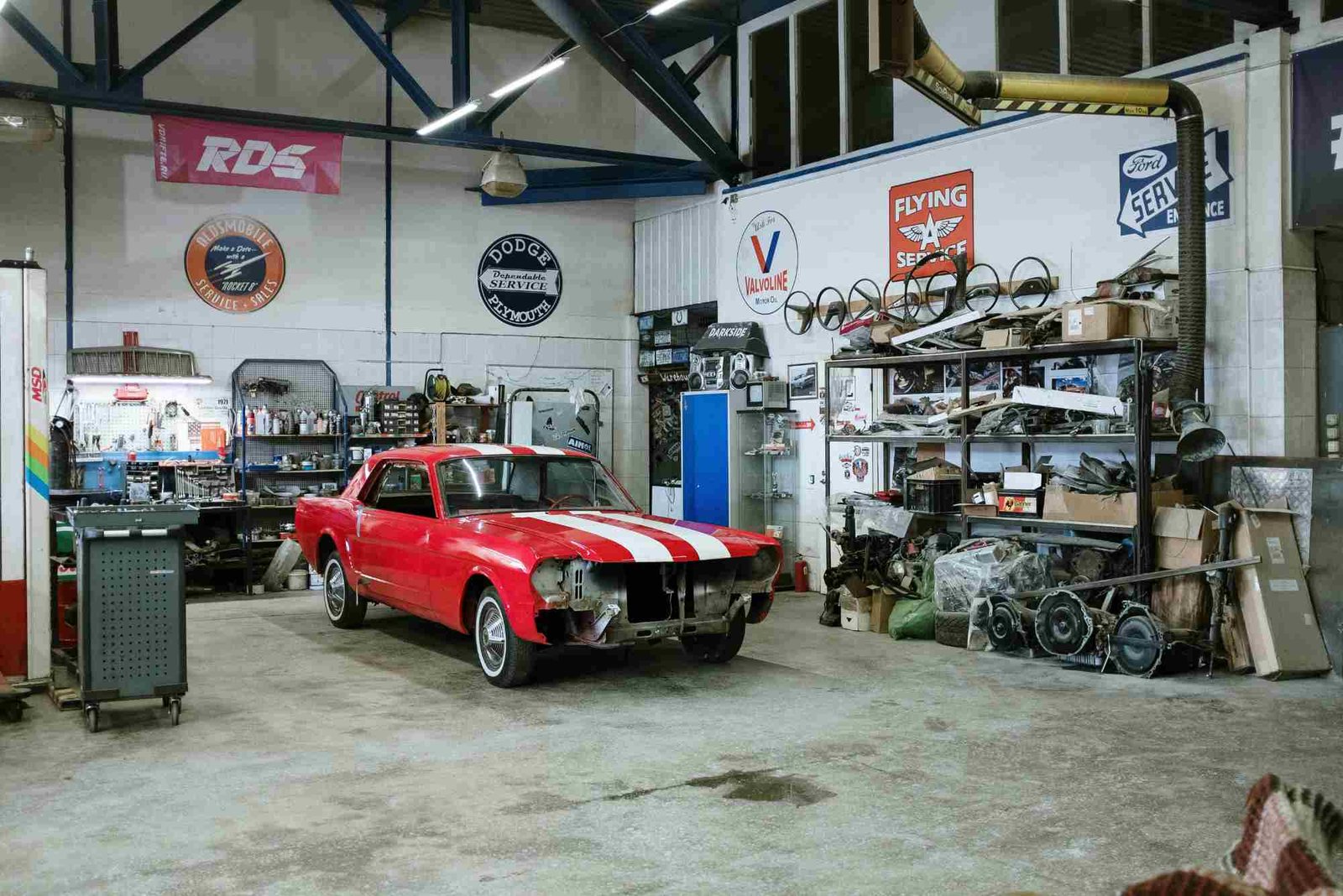
Understanding automotive terminology is essential for anyone who spends time in a workshop, whether as a professional mechanic, a car enthusiast, or someone learning basic vehicle maintenance. Automotive terms often seem technical or confusing, but gaining familiarity with them makes communication with mechanics more effective and helps you make informed decisions regarding repairs or upgrades.
Engine Components
The engine is the heart of any vehicle, and understanding its terminology is crucial. Cylinder head refers to the part of the engine that houses the combustion chambers and valves. Piston is the movable component inside the cylinder that compresses fuel and air for combustion. Crankshaft converts the pistons’ up-and-down motion into rotational energy to power the car. Camshaft controls the opening and closing of engine valves, ensuring proper timing of fuel intake and exhaust release. Timing belt or chain synchronizes the rotation of the crankshaft and camshaft, preventing engine damage.
Transmission and Drivetrain Terms
Transmission terms are often confusing, yet they are vital for understanding vehicle mechanics. Clutch is a device that engages and disengages power from the engine to the transmission. Gearbox contains the gears that regulate speed and torque delivered to the wheels. Differential allows wheels on the same axle to rotate at different speeds, especially when turning. Axle transfers power from the differential to the wheels. CV joint or constant-velocity joint ensures smooth transmission of power to wheels while allowing them to turn.
Suspension and Steering Vocabulary
Suspension and steering components are critical for vehicle handling and comfort. Shock absorber dampens vibrations and improves ride quality. Strut is a structural component that combines a shock absorber with a coil spring. Control arm connects the vehicle frame to the wheel hub, allowing controlled motion. Tie rod links the steering system to the wheels. Ball joint acts as a pivot point, enabling smooth movement of the suspension and steering linkage.
Brake System Terms
The braking system ensures safety and control. Disc brake uses calipers to squeeze brake pads against a rotor, slowing the vehicle. Drum brake relies on brake shoes pressing outward against a cylinder-shaped drum. Brake pad is a replaceable component that creates friction to stop the wheels. Brake fluid transmits force from the brake pedal to the braking mechanism. ABS or anti-lock braking system prevents wheel lockup during sudden stops, maintaining traction.
Electrical and Battery Terms
Modern vehicles rely heavily on electrical systems. Alternator generates electricity to power the car and charge the battery. Battery stores electrical energy for starting the engine and running electronics. Starter motor turns the engine over to begin combustion. Fuse protects electrical circuits from overcurrent. ECU or engine control unit is a computer that manages engine performance, fuel injection, and emissions.
Fuel and Exhaust Vocabulary
Fuel and exhaust systems are key for performance and efficiency. Fuel injector sprays fuel into the combustion chamber. Carburetor (mostly in older vehicles) mixes air and fuel before combustion. Fuel pump delivers fuel from the tank to the engine. Exhaust manifold collects exhaust gases from cylinders. Catalytic converter reduces harmful emissions by converting gases into less toxic substances.
Tires and Wheels Terms
Understanding tires and wheels helps with safety and performance. Tread is the patterned part of the tire that grips the road. Rim is the metal part of the wheel on which the tire is mounted. Camber refers to the angle of the wheels relative to the road. Toe is the inward or outward alignment of the wheels. Tire pressure affects handling, fuel efficiency, and tire life.
Cooling System Terms
Maintaining the engine temperature is vital for performance. Radiator dissipates heat from engine coolant. Water pump circulates coolant throughout the engine. Thermostat regulates coolant flow based on temperature. Coolant is the fluid that absorbs heat from the engine. Fan clutch controls radiator fan operation to maintain optimal engine temperature.
Common Workshop Terms
Mechanics and workshops use terms that may be unfamiliar to vehicle owners. Torque is the rotational force applied to bolts or engine components. Alignment ensures wheels are positioned correctly relative to each other. Flushing refers to cleaning systems, like cooling or transmission, by replacing old fluids. Diagnostics involves using tools or software to identify vehicle problems. Overhaul means a comprehensive repair of an engine or component.
Maintenance and Service Terms
Routine maintenance keeps vehicles running smoothly. Oil change replaces engine oil and filter. Tune-up adjusts engine components for optimal performance. Lubrication reduces friction in moving parts. Inspection involves checking vehicle systems for wear or faults. Service interval refers to the recommended schedule for maintenance tasks.
Car Body and Exterior Terms
The body and exterior contribute to safety and aesthetics. Fender covers the wheel well to protect the vehicle from debris. Bumper absorbs impact in minor collisions. Chassis is the vehicle frame supporting all components. Panel refers to any exterior sheet metal part. Paint finish affects appearance and protects the metal from corrosion.
Interior and Comfort Terms
Vehicle interiors include comfort and safety features. Dashboard houses instruments and controls. Infotainment system provides media, navigation, and connectivity. Airbag deploys in a collision to protect passengers. Seatbelt restrains occupants during accidents. Climate control maintains cabin temperature and air quality.
Advanced Automotive Terms
With technology advancing, new terms are common in workshops. Turbocharger increases engine power by forcing more air into the combustion chamber. Hybrid system combines a combustion engine with an electric motor. Regenerative braking recovers energy during braking. Lane assist and adaptive cruise control are driver assistance features. OBD-II or onboard diagnostics is a standard system for vehicle troubleshooting.
Familiarity with automotive terms empowers vehicle owners and enthusiasts, making maintenance and repairs more efficient. Knowing the difference between a camshaft and a crankshaft, or a strut and a control arm, can save time, reduce errors, and improve communication with workshop professionals. By mastering these 50 commonly used automotive terms, anyone can navigate workshops with confidence and make smarter automotive decisions.
If you want to expand your automotive knowledge and stay updated with vehicle technology, start keeping a personal glossary of terms and explore hands-on practice. Workshops and manuals are excellent resources to reinforce learning.
If your car headlights are dimming, it can be dangerous, especially at night. Understanding the causes and solutions is essential for safe driving. Learn practical steps to restore brightness and maintain your vehicle’s lighting system. Check out our detailed guide on how to fix dimming car lights for easy DIY tips.
FAQs
What is the difference between a piston and a camshaft?
A piston moves up and down inside the cylinder, while a camshaft controls the opening and closing of valves.
How often should I check tire pressure?
Tire pressure should be checked monthly and before long trips to ensure safety and fuel efficiency.
What does ABS do in a car?
ABS prevents wheels from locking during sudden braking, maintaining steering control and traction.
Why is engine oil important?
Engine oil lubricates moving parts, reduces friction, prevents wear, and helps dissipate heat.
How can I learn automotive terms quickly?
Using workshop experiences, automotive manuals, and personal glossaries helps retain knowledge effectively.