Automatic Motorcycle Maintenance: Correct Service Schedule, Oil, and CVT Care
Automatic motorcycles have grown immensely popular due to their ease of use and smooth riding experience. Unlike manual bikes, they require less effort in gear shifting, making them perfect for urban commuting. However, this convenience comes with unique maintenance needs, especially regarding service schedules, engine oil, and the continuously variable transmission (CVT). Proper maintenance ensures longevity, safety, and peak performance. Ignoring these can lead to costly repairs and reduced riding pleasure. In this guide, we will explore essential tips and best practices to maintain your automatic motorcycle effectively.
Correct Service Schedule
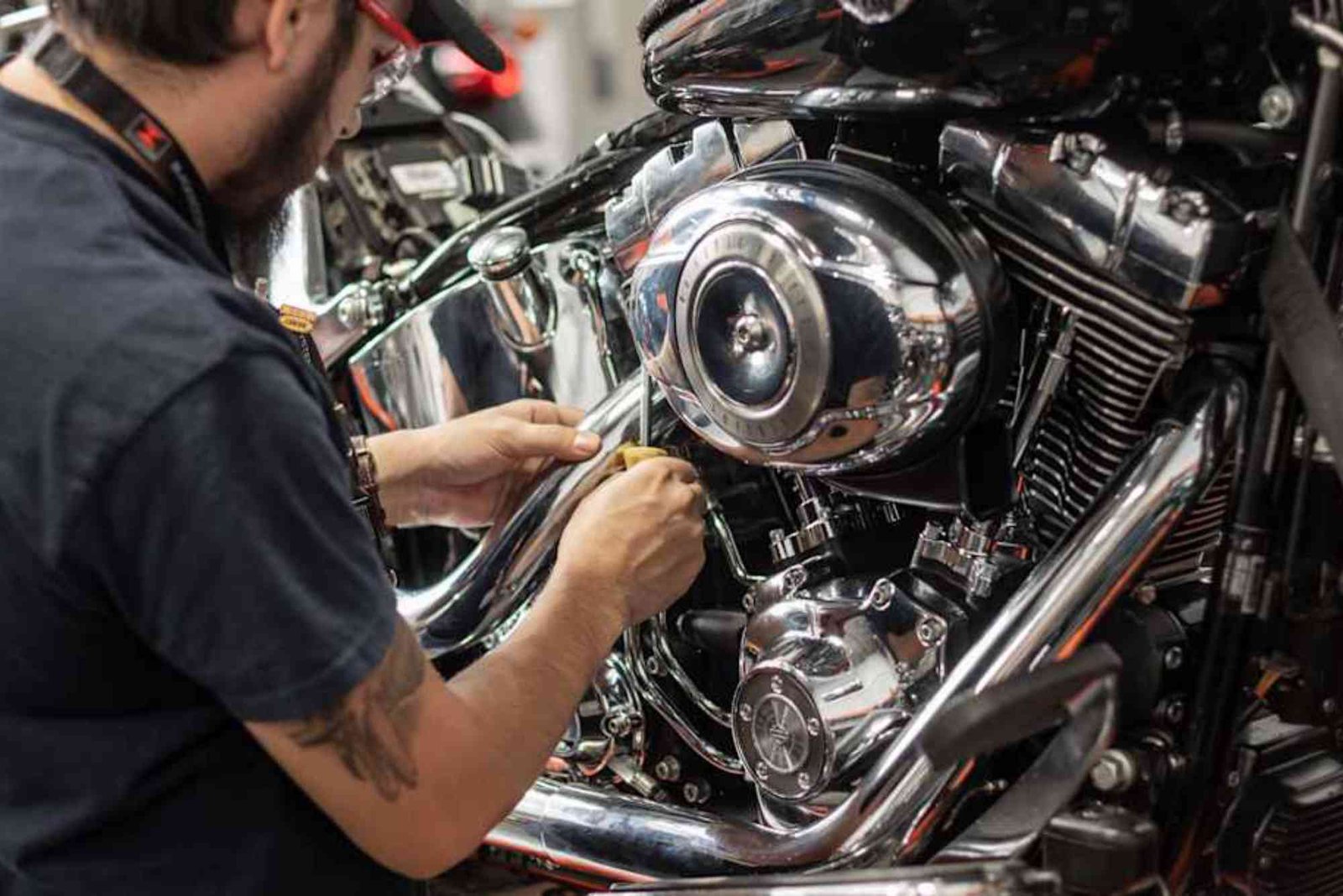
Following a proper service schedule is critical for keeping your automatic motorcycle in optimal condition. Manufacturers provide service intervals based on mileage or time, whichever comes first. Most automatic motorcycles recommend an initial service around 500-1000 kilometers to check early wear and adjust components. After that, regular servicing every 3,000 to 5,000 kilometers is common, though it varies depending on the brand and model. Regular service checks include inspection of brakes, tires, battery, lights, and the CVT system. Overlooking these intervals can cause performance issues or premature wear of essential parts. Keeping a log of your service history also helps mechanics track your bike’s health accurately.
Engine Oil Care
Engine oil is the lifeblood of any motorcycle, including automatic ones. Regular oil changes are essential to prevent engine wear and maintain smooth operation. Most automatic motorcycles require oil changes every 3,000 to 5,000 kilometers, but it’s important to follow your owner’s manual. Using high-quality motorcycle-specific oil is critical, as it can withstand higher temperatures and stresses compared to automotive oils. Oil not only lubricates the engine but also aids in cooling and cleaning internal parts. When changing oil, it’s vital to replace the oil filter as well, as a clogged filter can reduce oil flow and increase engine strain. Monitoring oil levels frequently is also crucial because low oil can damage the engine quickly.
CVT Maintenance
The continuously variable transmission (CVT) is a core component in automatic motorcycles, responsible for seamless acceleration and fuel efficiency. CVT maintenance is often overlooked, but neglecting it can lead to belt slippage, reduced performance, and costly replacements. Regularly inspecting the CVT belt for wear and replacing it according to the manufacturer’s guidelines is essential. Cleaning the CVT pulley system to remove dust and debris ensures smooth operation and prevents unusual noises. Lubricating the rollers, when recommended by the manufacturer, helps maintain consistent power delivery. Overheating the CVT by aggressive riding or heavy loads can accelerate wear, so riding habits also impact CVT lifespan. Proper attention to this system guarantees smooth rides and avoids sudden failures.
Brake System Check
Brakes are a critical safety feature, and regular inspection is non-negotiable. Automatic motorcycles typically use disc or drum brakes, each requiring different maintenance methods. Checking brake pads for wear, fluid levels, and brake responsiveness ensures safe riding. Replacing worn pads promptly avoids damage to the brake disc and maintains stopping efficiency. Brake fluid should be changed according to the service schedule because it can absorb moisture over time, reducing braking performance. For riders using the motorcycle in heavy traffic, frequent brake checks are especially important. Proper brake maintenance not only enhances safety but also preserves the overall value of the motorcycle.
Battery Maintenance
The battery powers the electrical systems, including the starter, lights, and indicators. Automatic motorcycles rely heavily on a healthy battery for smooth operation. Checking battery terminals for corrosion, keeping them clean, and ensuring proper voltage prevents unexpected breakdowns. For motorcycles that are not used daily, periodic charging is necessary to prevent the battery from dying. Some modern bikes use maintenance-free batteries, but monitoring them occasionally is still recommended. A neglected battery can result in starter failure or inconsistent electrical performance, affecting the overall riding experience.
Tire Care and Pressure Check
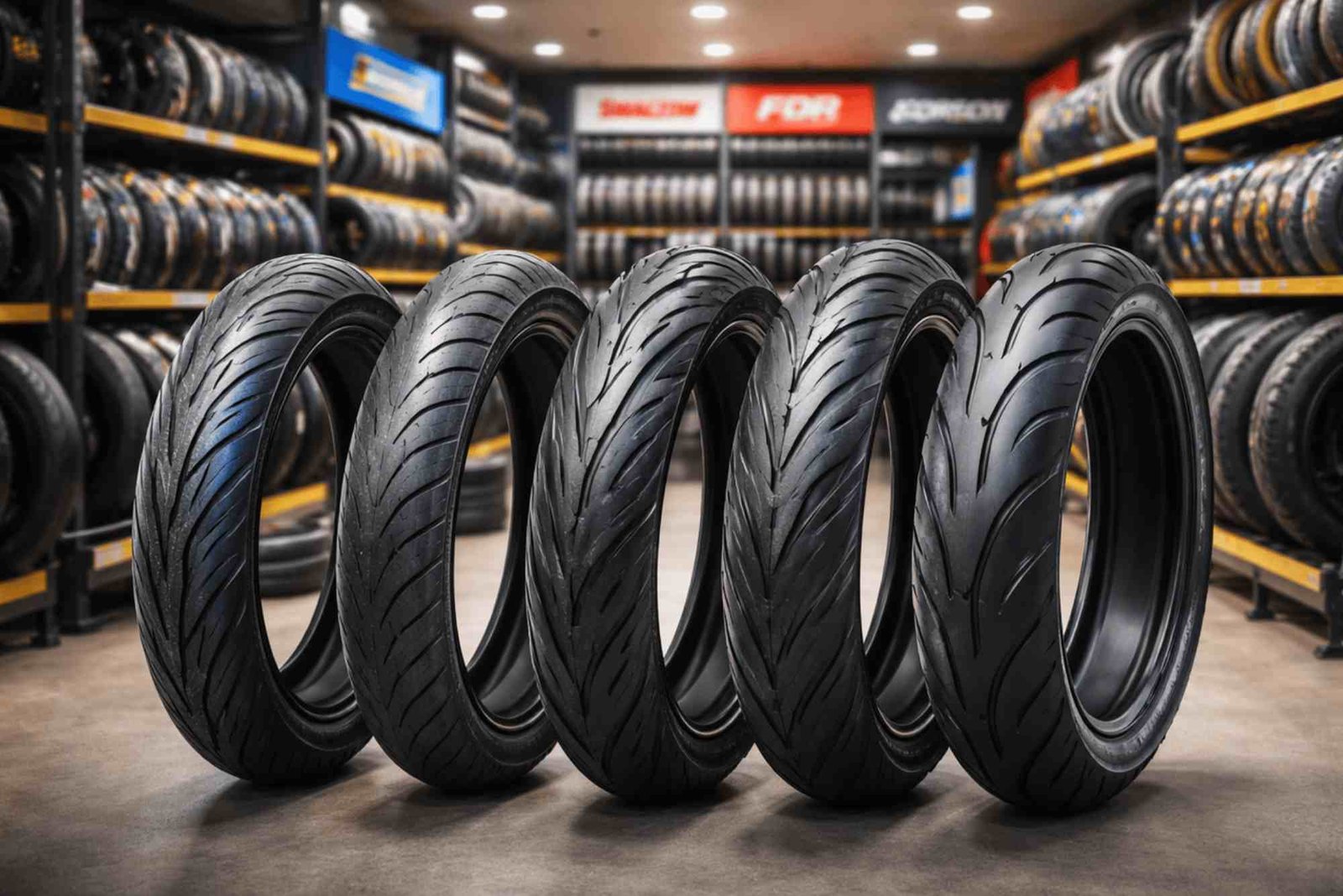
Tires are the only point of contact between the motorcycle and the road, making proper maintenance essential. Automatic motorcycles benefit from consistent tire pressure and tread inspection. Over-inflated or under-inflated tires reduce handling, fuel efficiency, and safety. Checking for cuts, punctures, and uneven wear allows early intervention before it becomes a hazard. Rotating tires is not usually necessary for motorcycles, but replacing them on time according to wear ensures better stability. For riders traveling long distances, pre-ride tire checks are a simple yet effective habit that prevents accidents and enhances comfort.
Air Filter and Fuel System Maintenance
The air filter protects the engine from dust and debris. A clogged air filter reduces engine efficiency, causes poor acceleration, and increases fuel consumption. Automatic motorcycles often require air filter cleaning or replacement every few thousand kilometers. Similarly, maintaining the fuel system is vital to avoid blockages or poor fuel delivery. Using clean fuel, avoiding long-term storage of gasoline, and checking fuel lines periodically prevent engine hiccups. Some motorcycles also benefit from occasional fuel injector cleaning or carburetor maintenance to ensure smooth operation. Proper attention to these components enhances performance, reduces emissions, and improves fuel economy.
Riding Habits for Longevity
Your riding style directly impacts motorcycle maintenance needs. Smooth acceleration, moderate braking, and avoiding overloading reduce wear on the CVT, brakes, and suspension. Allowing the engine to warm up before heavy acceleration minimizes stress on internal components. For city riders with frequent stop-and-go traffic, maintaining proper tire pressure and oil levels becomes even more critical. Regular cleaning of the motorcycle also prevents rust and dirt buildup, which can affect moving parts over time. Adopting mindful riding habits is an easy way to extend the life of your automatic motorcycle while enhancing safety and comfort.
Choosing the Right Service Center
Selecting a reliable service center is as important as following a service schedule. Authorized dealerships and certified workshops have trained technicians and access to genuine parts. This ensures accurate diagnosis, proper oil types, and correct CVT care. Avoid unverified service shops that may use substandard parts or incorrect procedures, which could compromise performance and warranty coverage. Establishing a relationship with a trusted service provider allows for consistent maintenance and peace of mind while riding.
Maintaining an automatic motorcycle requires attention to service schedules, engine oil, CVT systems, and overall care. Regular checks on brakes, tires, battery, and filters complement mechanical maintenance. Coupled with mindful riding habits, these practices ensure your bike stays reliable, safe, and enjoyable for years. Ignoring maintenance may lead to performance decline, increased repair costs, and safety risks. By committing to proper care, you safeguard your investment and enhance your riding experience. Take action today: schedule your next service, check your oil, and inspect your CVT for a smoother, longer-lasting ride.
Rust can significantly damage your motorcycle if left untreated, affecting both performance and appearance. To keep your bike in top condition, it’s crucial to act early. For practical steps on prevention and removal, check out these simple yet effective tips to overcome rust on motorcycles and maintain your ride like new.
FAQs
How often should I change the oil in an automatic motorcycle?
Typically every 3,000 to 5,000 kilometers, but always follow the manufacturer’s guidelines.
When should I replace my CVT belt?
Check the service manual; usually, replacement is recommended every 15,000 to 20,000 kilometers or if you notice slipping.
Can I use car engine oil in my automatic motorcycle?
No, motorcycle-specific oils are formulated to handle higher temperatures and stresses unique to bikes.
How do I know if my brakes need maintenance?
Listen for squeaking sounds, reduced responsiveness, or check for worn brake pads and low brake fluid levels.
Do riding habits affect motorcycle maintenance?
Yes, smooth acceleration, moderate braking, and avoiding overloading reduce wear and prolong component life.
Is regular cleaning important for automatic motorcycles?
Absolutely. Cleaning prevents rust, dirt buildup, and helps you notice issues early.
Can I do CVT maintenance myself?
Some cleaning and inspection can be done at home, but replacement or lubrication should follow manufacturer guidance or professional service.