Introduction
In today’s fast-paced business environment, micro, small, and medium enterprises (MSMEs) face a unique set of challenges. From managing finances to complying with regulatory requirements, every decision can have a significant impact on growth and sustainability. One of the most critical tools that can support MSMEs in navigating these challenges is robust accounting software. Choosing the right software is no longer a luxury but a necessity for efficient financial management, accurate reporting, and strategic planning. This article explores essential accounting software recommendations for MSMEs and highlights key considerations to make the best choice for your business.
Why MSMEs Need Accounting Software
MSMEs often operate with limited resources and a lean workforce, which makes manual accounting time-consuming and prone to errors. Accounting software streamlines financial operations, automates repetitive tasks, and reduces human errors. With proper software, MSMEs can track cash flow, manage invoices, generate reports, and ensure compliance with tax laws. Beyond operational efficiency, accounting software provides valuable insights that support strategic decision-making and help businesses scale efficiently. It transforms accounting from a purely administrative task to a proactive management tool.
Key Features to Look for in MSME Accounting Software
Choosing the right accounting software can be overwhelming, especially with the plethora of options available. Understanding the features that are most relevant to MSMEs can simplify the selection process. Key features include invoicing and billing, bank reconciliation, expense tracking, financial reporting, inventory management, and tax compliance support. Cloud-based solutions are increasingly popular for MSMEs because they offer real-time access, remote collaboration, and automatic updates. Integration capabilities with other business tools like CRM systems or e-commerce platforms can further enhance operational efficiency.
Invoicing and Billing
For MSMEs, accurate and professional invoicing is critical for maintaining cash flow. Accounting software should allow businesses to generate invoices quickly, customize templates, and send them directly to clients. Automation of recurring invoices and payment reminders reduces delays and improves cash collection efficiency.
Expense Management
Tracking expenses is vital for understanding profitability and controlling costs. Accounting software should categorize expenses automatically, attach receipts, and provide a clear overview of spending patterns. This feature helps MSMEs identify areas where they can optimize costs without compromising quality.
Financial Reporting and Analytics
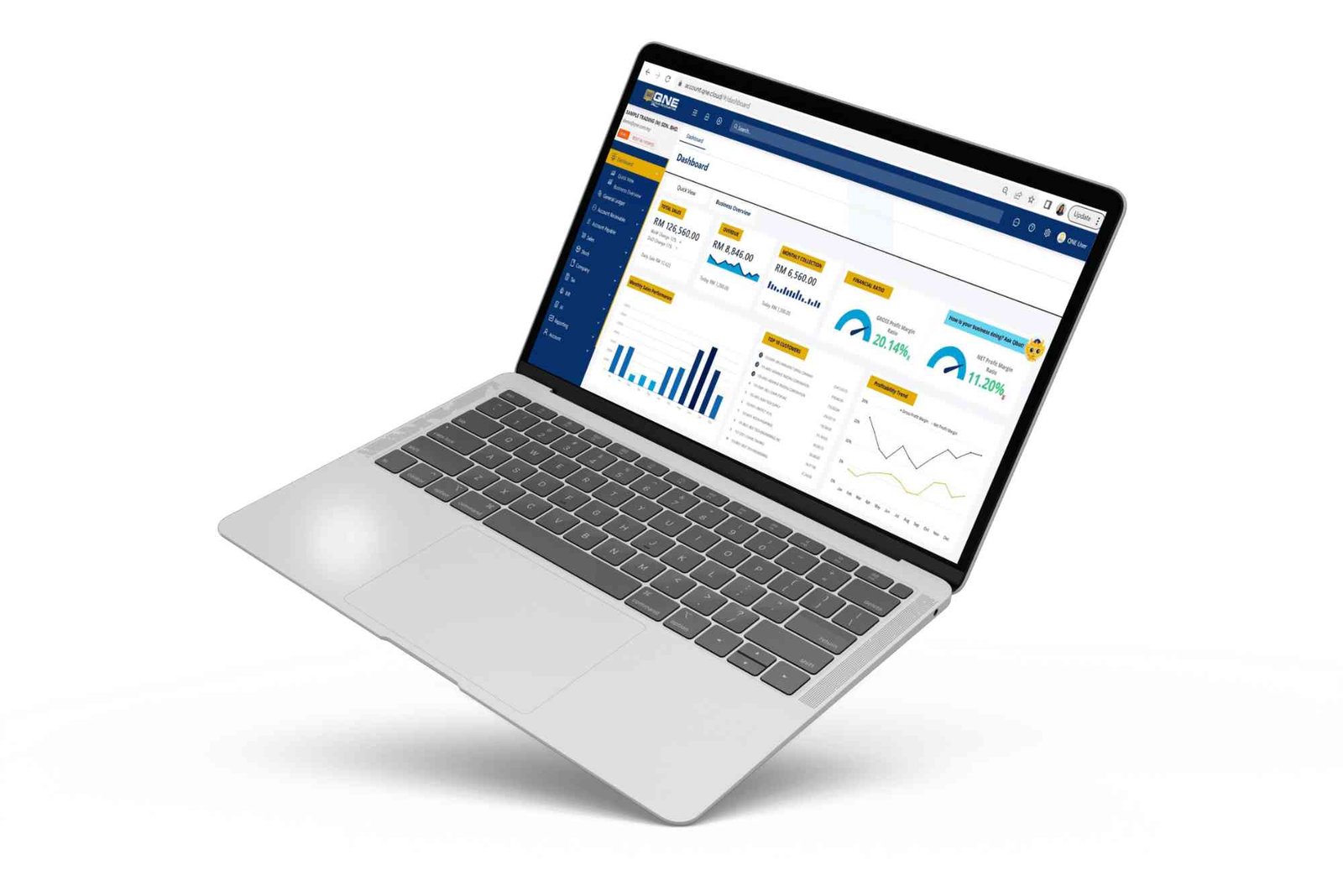
Data-driven decision-making is essential for business growth. Accounting software that provides comprehensive reporting and analytics enables MSMEs to track revenue, expenses, and profit margins. Dashboards with visual representations of financial data make it easier for business owners to monitor performance and identify trends.
Tax Compliance
Navigating tax regulations can be challenging for MSMEs. Accounting software that supports tax compliance simplifies the filing process and reduces the risk of penalties. Features like automatic tax calculations, generation of tax reports, and integration with government portals save time and reduce stress during tax season.
Multi-Device Access and Cloud Integration
Cloud-based accounting solutions offer the flexibility to access financial data from anywhere at any time. This is particularly beneficial for MSMEs with remote teams or multiple business locations. Cloud integration ensures data security, automatic backups, and real-time collaboration, enabling business owners to make informed decisions promptly.
Common Accounting Software Options for MSMEs
While there are many accounting software options available, MSMEs benefit most from solutions that balance functionality, affordability, and ease of use. The right choice depends on business size, industry, and specific operational needs. Software that provides a user-friendly interface, strong customer support, and scalability tends to deliver the most value to MSMEs. Some solutions offer advanced features like multi-currency support, payroll management, and inventory tracking, which are essential as businesses grow.
Cloud-Based Solutions
Cloud accounting software has become a go-to choice for MSMEs due to its flexibility and scalability. These solutions allow businesses to manage finances without investing in expensive IT infrastructure. Updates, backups, and security are handled by the service provider, reducing the technical burden on small teams. Cloud-based accounting software also facilitates collaboration with accountants, consultants, or business partners in real-time, enhancing operational efficiency and strategic planning.
Mobile Accessibility
For MSMEs operating on the go, mobile-friendly accounting software is invaluable. Business owners can track expenses, approve invoices, and monitor cash flow directly from their smartphones or tablets. This level of accessibility ensures that financial management continues uninterrupted, even when the business owner is away from the office.
Integration with Business Tools
Many MSMEs use a combination of software tools for sales, inventory, human resources, and customer relationship management. Accounting software that integrates seamlessly with these tools reduces manual data entry, eliminates errors, and ensures a consistent flow of information across the organization. Integration capabilities allow MSMEs to view financial performance holistically and make better-informed strategic decisions.
How to Choose the Right Accounting Software
Selecting accounting software for an MSME requires careful evaluation of business requirements, budget, and growth plans. The first step is to define key objectives, such as improving cash flow management, simplifying tax filing, or gaining deeper insights into financial performance. Next, businesses should assess software features, ease of use, scalability, customer support, and security. Free trials or demo versions allow business owners to explore functionality and determine whether the software aligns with operational needs. Finally, considering the total cost of ownership, including subscription fees, implementation, and training, helps MSMEs make cost-effective decisions.
Cost Considerations
MSMEs often operate under budget constraints, making cost an important factor in software selection. While some solutions offer free basic plans, premium features may require subscriptions. It is essential to evaluate whether the additional cost justifies the benefits, such as advanced reporting, multi-user access, or integration capabilities. Investing in software that grows with the business can save money in the long term and reduce the need for frequent software changes.
User-Friendliness
For MSMEs, accounting software should be intuitive and easy to navigate. Complex software may require extensive training, slowing down adoption and reducing efficiency. Solutions with simple dashboards, guided workflows, and clear instructions encourage consistent use and minimize the risk of errors. User-friendly software empowers business owners and employees to focus on strategic tasks rather than troubleshooting.
Customer Support and Community
Reliable customer support is a critical consideration for MSMEs. Prompt assistance with troubleshooting, updates, and onboarding ensures uninterrupted operations. Many software providers also offer community forums, knowledge bases, and tutorials, which help users resolve issues independently and learn best practices. Support quality can significantly affect the overall experience and efficiency of accounting software implementation.
Benefits of Implementing Accounting Software for MSMEs
Implementing the right accounting software delivers numerous benefits for MSMEs, ranging from operational efficiency to strategic decision-making. Automated bookkeeping saves time and reduces errors, while real-time reporting provides actionable insights for growth. Cash flow management becomes more precise, and compliance with tax regulations is simplified. Accounting software also enables MSMEs to monitor profitability, plan budgets, and allocate resources effectively. As a result, business owners gain greater control over financial operations and can focus on core business activities.
Improved Decision-Making
With accurate financial data at their fingertips, MSME owners can make informed decisions quickly. Accounting software provides insights into cash flow, profit margins, and expense patterns, helping businesses identify opportunities and mitigate risks. Strategic decisions, such as expansion, hiring, or investment, become more data-driven and less speculative.
Time and Cost Savings
Manual accounting is labor-intensive and prone to errors. Accounting software automates repetitive tasks such as invoice generation, payment reminders, and bank reconciliation, saving time and reducing operational costs. The software’s efficiency allows employees to focus on revenue-generating activities instead of administrative tasks.
Enhanced Compliance and Security
Accounting software ensures that financial records are accurate and compliant with local regulations. Many solutions include audit trails, secure storage, and user permissions to protect sensitive data. Automated compliance reduces the risk of penalties and enhances credibility with stakeholders, including banks, investors, and regulators.
Common Challenges and How to Overcome Them
While accounting software offers many advantages, MSMEs may face challenges during implementation. These challenges include selecting the wrong software, lack of training, data migration issues, and resistance to change from staff. To overcome these hurdles, MSMEs should invest time in evaluating options, provide adequate training, involve employees in the transition, and seek professional guidance if needed. Proper planning ensures a smooth implementation process and maximizes the software’s benefits.
Accounting software is no longer optional for MSMEs; it is a crucial tool for financial management, compliance, and growth. By selecting software that aligns with business needs, provides essential features, and offers scalability, MSMEs can streamline operations, save time, and make data-driven decisions. Investing in the right accounting solution empowers business owners to focus on strategic goals rather than being bogged down by manual bookkeeping. Explore the options available, evaluate their fit for your business, and take the step toward smarter financial management today.
Accounting software can transform how MSMEs operate, providing clarity, efficiency, and insights that drive growth. Take the first step in optimizing your business finances by choosing the software that best supports your vision.
Artificial Intelligence (AI) has become a part of our daily lives, from smart assistants and recommendation systems to self-driving cars and healthcare tools. It works by analyzing vast amounts of data, recognizing patterns, and making decisions or predictions. AI enhances efficiency, personalizes experiences, and solves complex problems, shaping how we live, work, and interact in ways once imagined only in science fiction.
FAQ
What is the best accounting software for small businesses?
The best software depends on your business size, industry, and specific needs. Look for user-friendly, cloud-based solutions with strong reporting features.
How much does accounting software for MSMEs cost?
Costs vary from free basic plans to subscription models. Consider long-term benefits, including automation, compliance, and scalability, rather than just upfront price.
Can accounting software help with tax compliance?
Yes, most modern software includes tax calculation, report generation, and integration with government portals to simplify filing.
Is cloud accounting safe for MSMEs?
Cloud accounting is generally secure, offering encrypted storage, automated backups, and multi-device access. Choosing a reputable provider is essential.
Do MSMEs need advanced features like inventory tracking?
It depends on your business model. If your MSME deals with physical products, inventory tracking ensures better stock management and cost control.
Can accounting software integrate with other business tools?
Yes, many solutions integrate with CRM, e-commerce platforms, and payroll systems, allowing for seamless data flow and efficiency.