Introduction
Understanding How to Choose Low-Sugar Food Products has become essential in today’s food market. Many packaged items contain hidden sugars that can affect energy levels and long-term health. People often believe they are eating healthy, but labels tell a different story. That is why learning How to Choose Low-Sugar Food Products is a skill that supports better diet decisions.
Understanding Sugar in Everyday Foods
To learn How to Choose Low-Sugar Food Products, it is important to understand where sugar hides. Sugar is not only found in sweets and desserts. It is also present in sauces, drinks, cereals, and even bread.
Food manufacturers often use different names for sugar. This makes it harder for consumers to identify it quickly. Ingredients like glucose, fructose, sucrose, maltose, and corn syrup all represent added sugar. When learning How to Choose Low-Sugar Food Products, recognizing these terms is the first step.
Reading Food Labels Carefully
One of the most important skills in How to Choose Low-Sugar Food Products is reading nutrition labels properly. Every packaged product includes a nutrition facts panel that shows total sugar content.
Ingredients are listed in order of quantity. If sugar or its alternatives appear at the top, the product is likely high in sugar. This simple habit strengthens your knowledge of How to Choose Low-Sugar Food Products during shopping.
Identifying Hidden Sugars in Packaged Foods
Hidden sugar is one of the biggest challenges in How to Choose Low-Sugar Food Products. Many items that seem healthy contain unexpected sugar levels.

Breakfast cereals often contain added sweeteners to enhance taste. Flavored yogurts also contain significant sugar, even if they appear healthy. Sauces like ketchup, barbecue sauce, and salad dressings can also contain high sugar levels. When focusing on How to Choose Low-Sugar Food Products, it is important to avoid judging food by appearance alone. A product labeled “healthy” or “natural” may still contain added sugars.
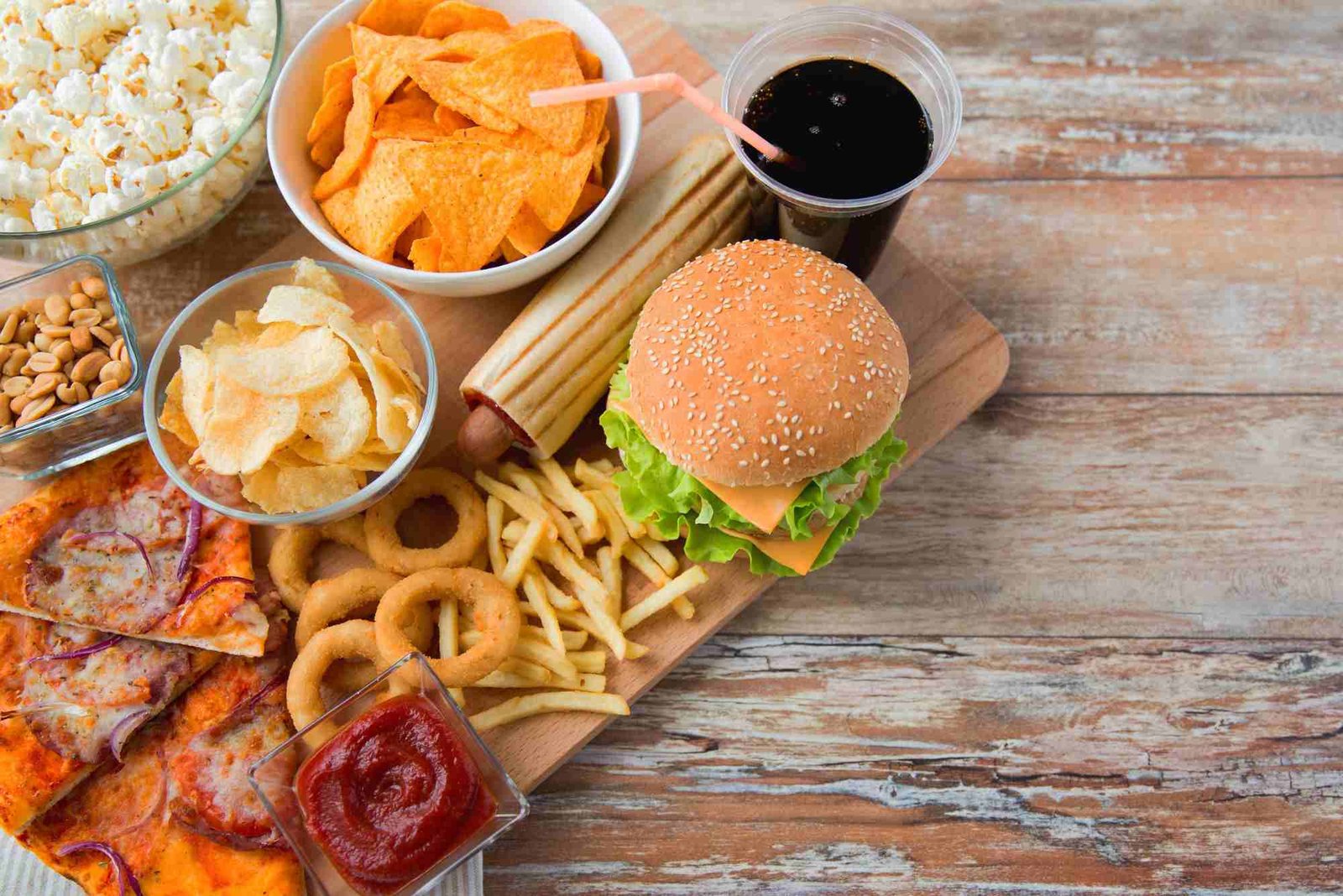
Processed snacks, energy bars, and flavored drinks are also major sources of hidden sugar. Being aware of these helps improve decision-making in How to Choose Low-Sugar Food Products.
Choosing Natural and Whole Foods
A practical way to master How to Choose Low-Sugar Food Products is to focus on whole foods. Whole foods are minimally processed and do not contain added sugars.
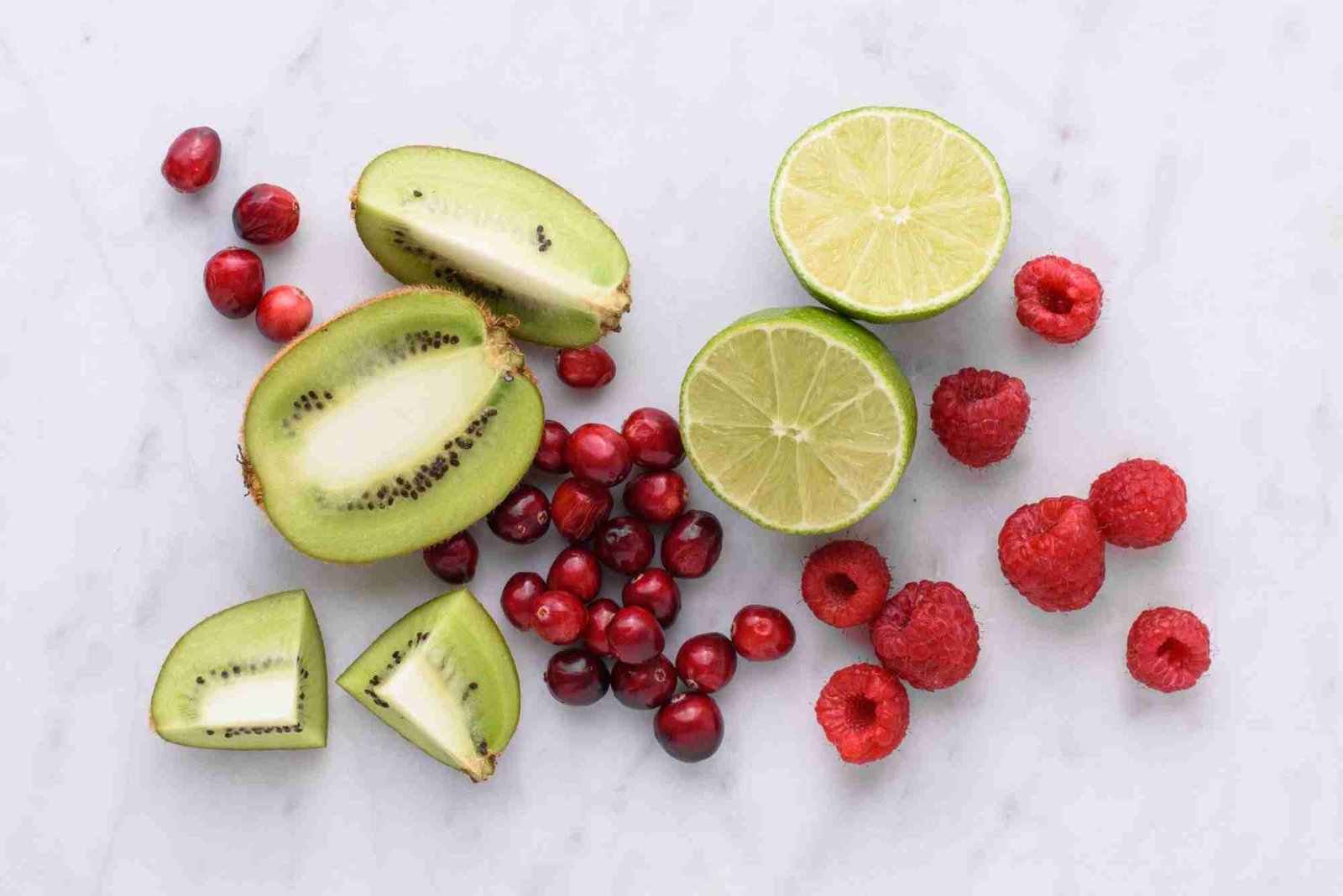
Fresh fruits, vegetables, whole grains, nuts, and seeds are better choices. These foods naturally contain nutrients and fiber, which help regulate sugar absorption in the body. When following How to Choose Low-Sugar Food Products, it is better to select foods in their natural form instead of processed versions. For example, whole fruit is a better choice than fruit juice.
Understanding Sugar-Free and Low-Sugar Claims
Food packaging often includes terms like “sugar-free,” “no added sugar,” or “low sugar.” These labels can be misleading if not understood properly. Sugar-free products may still contain artificial sweeteners. While they reduce calorie intake, they are not always healthier. Learning How to Choose Low-Sugar Food Products means understanding that sugar-free does not always mean healthy.
Low-sugar products contain reduced sugar compared to regular versions. However, they may still contain moderate amounts of sugar. That is why careful label reading is important in How to Choose Low-Sugar Food Products.
Smart Beverage Choices
Drinks are one of the largest sources of sugar in modern diets. Understanding beverages is essential in How to Choose Low-Sugar Food Products. Soft drinks, packaged juices, and flavored teas often contain high sugar levels. Even fruit juices labeled as “100% natural” can be high in sugar because fiber is removed.
Water is the best option for hydration. Unsweetened tea and black coffee are also good choices. When applying How to Choose Low-Sugar Food Products, replacing sugary drinks with healthier alternatives can significantly reduce sugar intake. Infused water with lemon or cucumber is another healthy option. These small changes improve your ability in How to Choose Low-Sugar Food Products in daily life.
Making Better Snack Decisions
Snacks are another area where sugar intake increases without notice. Understanding snacks is important for How to Choose Low-Sugar Food Products. Biscuits, cakes, and packaged snacks often contain high sugar levels. Even snacks marketed as healthy can contain hidden sweeteners.
Better snack options include nuts, seeds, plain yogurt, or fresh fruits. These choices support better nutrition and align with How to Choose Low-Sugar Food Products principles. Portion control also matters. Even healthy snacks should be eaten in moderation. This awareness strengthens your overall approach to How to Choose Low-Sugar Food Products.
Building Long-Term Healthy Habits
Consistency is key when learning How to Choose Low-Sugar Food Products. It is not just about one-time decisions but long-term habits. Planning meals in advance helps reduce impulse buying. Grocery shopping with a list reduces the chances of choosing high-sugar items. Over time, these habits become natural.
Gradually reducing sugar instead of eliminating it suddenly is also more sustainable. This approach makes How to Choose Low-Sugar Food Products easier to maintain. Family involvement can also help. When everyone follows similar habits, it becomes easier to maintain a low-sugar lifestyle.
Common Mistakes to Avoid
Many people think they are following How to Choose Low-Sugar Food Products, but still make mistakes. One common mistake is trusting marketing labels without checking ingredients. Another mistake is ignoring serving sizes. People also often underestimate liquid sugar in drinks.
Some consumers also replace sugar with excessive artificial sweeteners. This may not always support long-term health goals. Avoiding these mistakes improves your understanding of How to Choose Low-Sugar Food Products and leads to better dietary decisions.
Conclusion
Learning How to Choose Low-Sugar Food Products is an important step toward a healthier lifestyle. It helps you make smarter food decisions and avoid hidden sugars in everyday products.
When shopping for groceries, always check expiration dates before placing items in your cart. Choose products from the back of shelves, as they are often fresher. Inspect packaging for damage or tampering, and avoid items with faded labels. Pay attention to storage conditions and buy only what you can consume in time to reduce waste and ensure food safety every day.
Frequently Asked Questions
What are low-sugar food products?
Low-sugar food products contain minimal added sugars and are designed to support healthier eating habits. Understanding How to Choose Low-Sugar Food Products helps identify them easily.
How can I check sugar content in food labels?
Check the nutrition facts panel and look for added sugars. This is a key step in How to Choose Low-Sugar Food Products.
Are sugar-free foods always healthy?
Not always. Sugar-free foods may contain artificial sweeteners. Learning How to Choose Low-Sugar Food Products helps evaluate them better.
What foods naturally have low sugar?
Vegetables, nuts, seeds, and whole grains are naturally low in sugar. These are important in How to Choose Low-Sugar Food Products planning.
How can I reduce sugar in my daily diet?
Start by replacing sugary drinks and processed foods with whole foods. This supports How to Choose Low-Sugar Food Products effectively.
Related Reading: Food Trends and Popular Consumer Products This Year