Introduction
The debate around Traditional Food vs Modern Food: Which is Healthier? has become increasingly important in today’s fast-paced lifestyle. As diets evolve with globalization, people are shifting between age-old cooking practices and highly processed modern eating habits. While traditional diets are often praised for their natural ingredients and cultural roots, modern food is known for convenience and innovation. But when it comes to health, the comparison is not as simple as it seems.
Understanding Traditional Food vs Modern Food: Which is Healthier? requires looking beyond taste and convenience. It involves analyzing nutrition, preparation methods, ingredient quality, and long-term health effects. In this article, we will break down both food styles in detail to help you make informed dietary choices that support your well-being.
Understanding Traditional Food
Traditional food refers to meals prepared using time-honored methods, often passed down through generations. These foods are typically made from locally sourced ingredients, seasonal produce, and minimal processing.
Nutritional Nature of Traditional Food
Traditional meals are generally rich in whole foods such as grains, vegetables, lentils, fruits, and natural fats. One of the strongest arguments in the discussion of Traditional Food vs Modern Food: Which is Healthier? is that traditional diets tend to avoid artificial additives, preservatives, and refined sugars.
Cooking methods like boiling, steaming, slow cooking, and fermentation help preserve nutrients while enhancing digestibility. For example, fermented foods like yogurt or pickles improve gut health due to beneficial bacteria.
Cultural and Lifestyle Value
Traditional food is deeply connected to cultural identity and family practices. Meals are often prepared at home, encouraging mindful eating and portion control. This lifestyle aspect plays a significant role in overall health, as it reduces dependency on processed or fast foods.

Understanding Modern Food
Modern food represents contemporary eating habits shaped by industrialization, fast-paced living, and technological advancement in food production.
Convenience and Accessibility
One of the biggest advantages in the Traditional Food vs Modern Food: Which is Healthier? comparison is that modern food is extremely convenient. Ready-to-eat meals, frozen products, and fast food options save time and effort, making them attractive for busy individuals.
However, this convenience often comes at the cost of nutritional value.
Processing and Additives
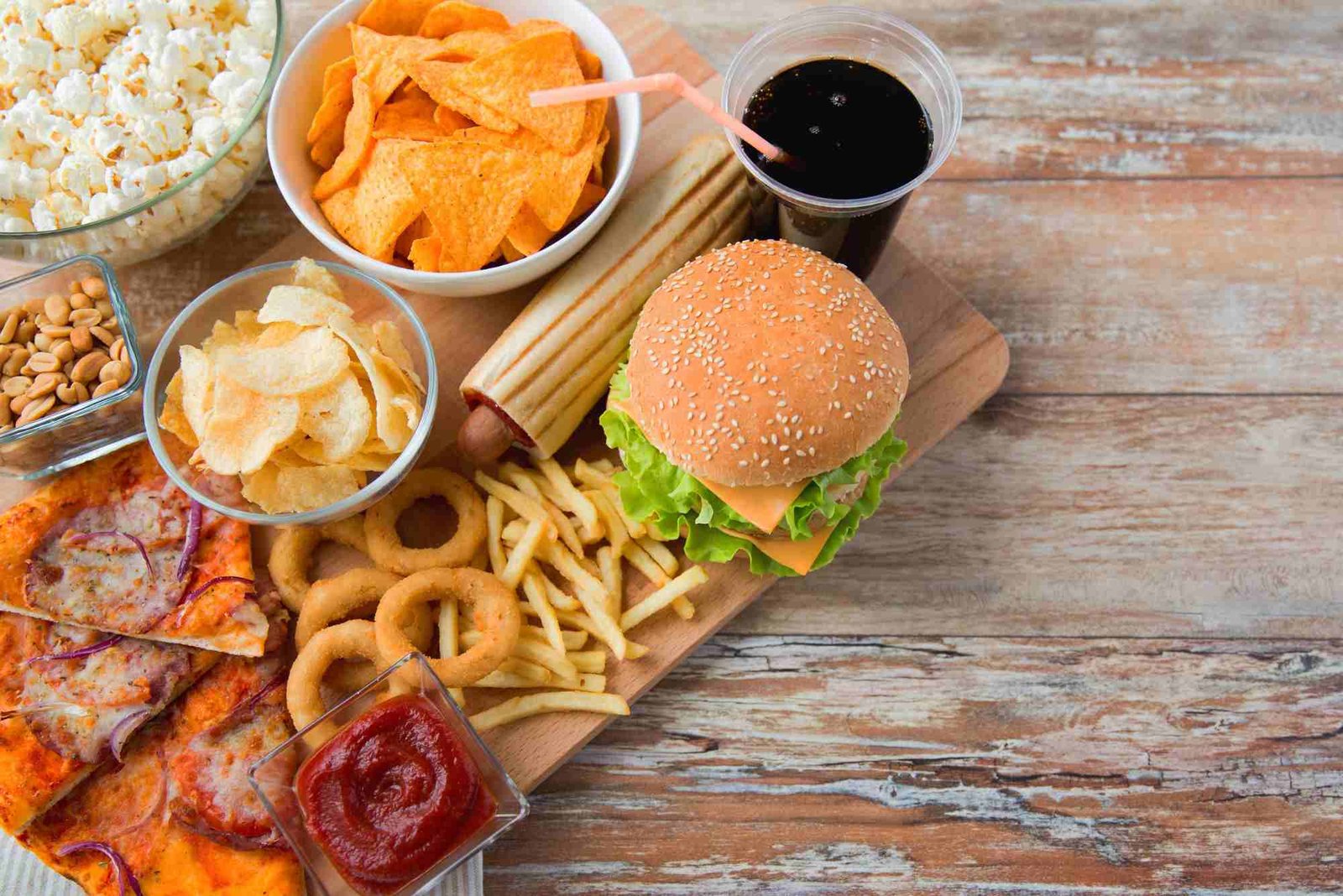
Modern food is frequently processed, which may involve refining, preserving, and adding artificial flavors or stabilizers. While this increases shelf life and taste appeal, it can reduce nutrient density. High consumption of processed food has been linked to obesity, diabetes, and heart-related issues.
Traditional Food vs Modern Food: Nutritional Comparison
When analyzing Traditional Food vs Modern Food: Which is Healthier?, nutrition becomes the most important factor.
Traditional food is generally nutrient-dense, meaning it provides essential vitamins, minerals, and fiber without unnecessary calories. On the other hand, modern food often contains high levels of sugar, salt, and unhealthy fats.
For instance, a traditional meal might include whole wheat bread, vegetables, and lentils, while a modern equivalent could be processed bread, fried snacks, and sugary drinks. The nutritional imbalance between the two is clear.
Health Benefits of Traditional Food
Traditional diets have long been associated with better long-term health outcomes.
Improved Digestion and Gut Health
Foods prepared using traditional methods often include fiber-rich ingredients and fermented items. These improve digestion and promote a healthy gut microbiome, which is essential for immunity and overall wellness.
Lower Risk of Chronic Diseases
Another key point in Traditional Food vs Modern Food: Which is Healthier? is disease prevention. Traditional diets are linked with lower risks of heart disease, obesity, and diabetes due to reduced intake of processed sugars and unhealthy fats.
Balanced Energy Levels
Traditional meals typically provide slow-releasing energy because they include complex carbohydrates and natural fats. This helps maintain stable blood sugar levels throughout the day.
Health Concerns of Modern Food
Modern food, despite its convenience, raises several health concerns when consumed excessively.
High Calorie but Low Nutrition
Many modern food items are calorie-dense but lack essential nutrients. This leads to what experts call “empty calories,” which contribute to weight gain without improving health.
Addictive Eating Patterns
The combination of sugar, salt, and fat in modern food can create addictive eating behaviors. This often results in overeating and poor dietary control, which directly affects long-term health.
Increased Risk of Lifestyle Diseases
One of the strongest arguments in Traditional Food vs Modern Food: Which is Healthier? is that modern diets are closely linked with lifestyle diseases such as hypertension, diabetes, and cholesterol imbalance.
Lifestyle and Environmental Impact
Food is not just about health—it also affects lifestyle and the environment.
Traditional Food and Sustainability
Traditional diets often rely on local farming and seasonal ingredients. This reduces environmental impact and supports sustainable agriculture. Home cooking also reduces packaging waste.
Modern Food and Industrial Impact
Modern food production relies heavily on mass manufacturing, packaging, and transportation. This increases carbon footprint and contributes to environmental degradation.
Which Is More Suitable for Modern Life?
When comparing Traditional Food vs Modern Food: Which is Healthier?, it is important to consider lifestyle needs. While modern food offers speed and convenience, traditional food provides long-term health benefits.
A balanced approach is often the best solution. Many people combine both, eating traditional meals at home while occasionally consuming modern food for convenience.
Finding a Healthy Balance
Instead of choosing strictly between traditional and modern diets, the focus should be on balance and moderation. Fresh ingredients, home-cooked meals, and reduced processed food intake can significantly improve health.
Even modern food can be made healthier by choosing grilled over fried options, reducing sugar intake, and avoiding excessive processed ingredients.
The debate on Traditional Food vs Modern Food: Which is Healthier? does not have a simple answer. Traditional food clearly offers better nutritional value, cultural connection, and long-term health benefits. Modern food, however, provides convenience and fits into fast-paced lifestyles.
Fast Food: Tips for Choosing Healthier Options Fast food can be enjoyed in a healthier way by making smart choices when ordering. Choose grilled items over fried, opt for smaller portions, and avoid sugary drinks to reduce extra calories and fat intake while eating out regularly. Balance meals with fruits or water when possible. and read nutrition labels before selecting menu items. wisely daily
FAQs
What is the main difference between traditional food and modern food?
Traditional food is usually made from natural, minimally processed ingredients using age-old cooking methods. Modern food is often processed, packaged, and designed for convenience, sometimes with additives and preservatives.
Is traditional food always healthier than modern food?
In most cases, traditional food is healthier because it contains fewer artificial ingredients and more natural nutrients. However, not all traditional dishes are automatically healthy if they are high in oil or sugar.
Why is modern food considered unhealthy by many experts?
Modern food is often criticized because it contains high levels of refined sugar, salt, and unhealthy fats, which can increase the risk of obesity and chronic diseases when consumed regularly.
Can modern food be part of a healthy diet?
Yes, modern food can be included in a balanced diet if consumed in moderation. Choosing healthier options like baked meals, fresh salads, and low-sugar products can reduce health risks.
How does traditional food help in maintaining good health?
Traditional food supports health by providing natural nutrients, improving digestion, and reducing exposure to processed chemicals. It also encourages mindful eating habits.
What is better for weight management: traditional or modern food?
Traditional food is generally better for weight management because it is less processed and more nutrient-dense, helping you feel full for longer periods without excess calories.