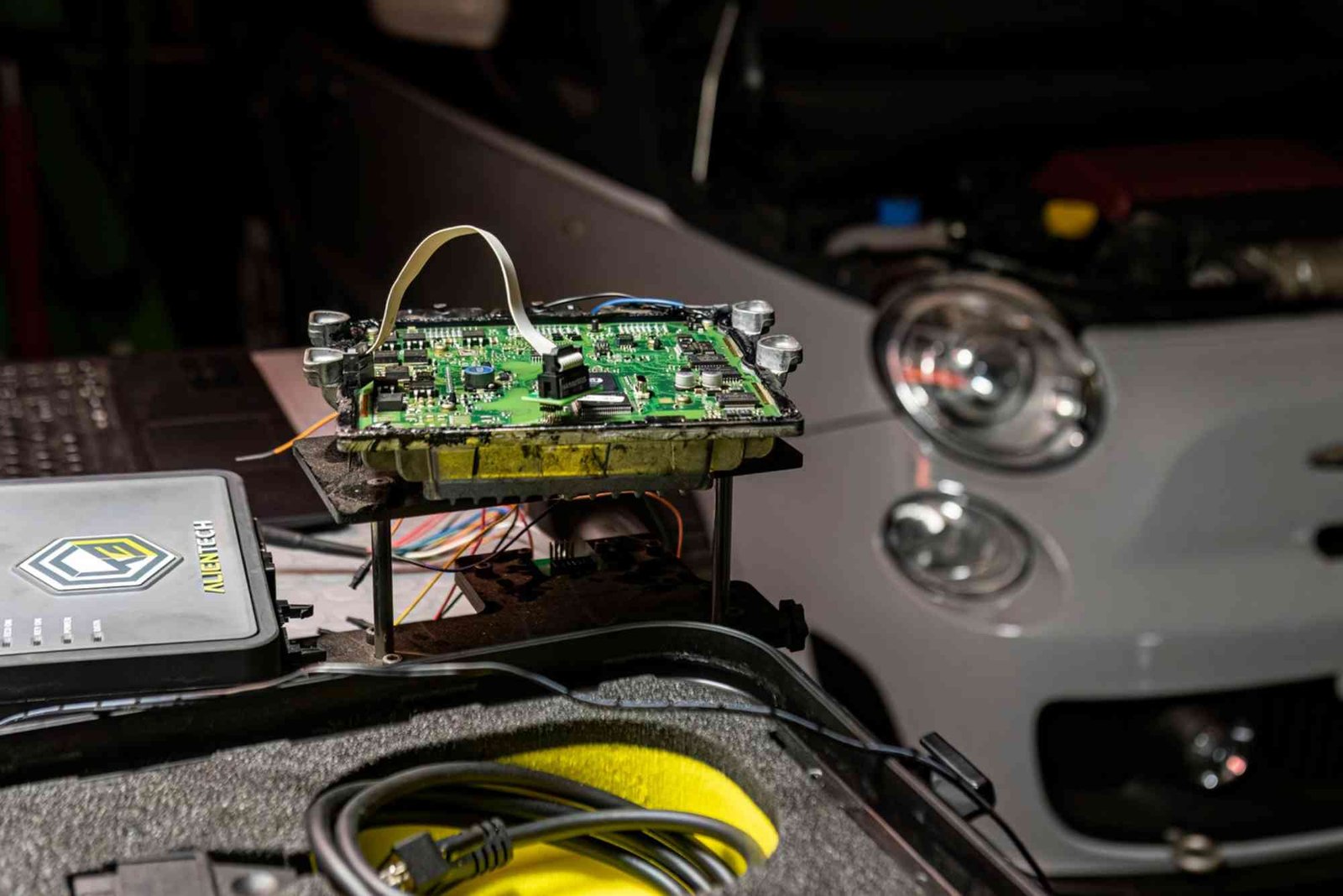
What is ECU in Cars and Motorcycles? Functions, Symptoms, and Maintenance
The modern automobile industry heavily depends on electronics. One of the most important components is the ECU, also known as the Engine Control Unit. When people search for What is ECU in Cars and Motorcycles? Functions, Symptoms, and Maintenance, they usually want a clear understanding of how this small device controls major vehicle operations.
The ECU works like the brain of both cars and motorcycles. It collects data from different sensors and manages engine performance in real time. Without it, modern vehicles cannot operate efficiently or meet emission standards. In simple terms, the ECU ensures that everything inside the engine works in harmony.
Understanding What is ECU in Cars and Motorcycles? Functions, Symptoms, and Maintenance
To fully understand What is ECU in Cars and Motorcycles? Functions, Symptoms, and Maintenance, it is important to break down its role. The ECU is an electronic computer installed in vehicles that manages engine operations using sensor inputs. It processes information from oxygen sensors, throttle position sensors, air intake sensors, and temperature sensors. After analyzing this data, it adjusts fuel injection and ignition timing instantly.
In motorcycles, the ECU is usually smaller but performs similar tasks. In modern bikes, especially fuel-injected ones, ECU technology replaces traditional carburetors. This improves fuel efficiency and ensures smoother riding performance. The ECU also communicates with other control units in advanced vehicles. These include transmission control units and stability systems. This interconnected system helps the vehicle maintain optimal performance under different driving conditions.
How ECU Works in Modern Vehicles
The ECU operates through continuous data processing. It receives signals, analyzes them, and sends output commands to engine components. In simple terms, it follows a cycle of sensing, processing, and controlling. Sensors send real-time data to the ECU. The ECU then calculates the best possible engine settings and adjusts fuel and air mixture accordingly.
For example, when you accelerate, the throttle sensor sends a signal to the ECU. The ECU increases fuel injection instantly to match the power demand. This ensures smooth acceleration without engine stress.

In motorcycles, the ECU also controls ignition timing. This helps improve performance while reducing fuel consumption. Modern systems even include multiple ECU units for better control and efficiency.
Key Functions Explained in What is ECU in Cars and Motorcycles? Functions, Symptoms, and Maintenance
The ECU performs several essential functions that keep vehicles running smoothly. One of its main roles is fuel management. It controls how much fuel enters the engine based on driving conditions.
Another important function is ignition control. The ECU decides the exact timing of spark plug ignition. This ensures efficient combustion and better engine performance. It also manages air intake. By balancing air and fuel mixture, the ECU ensures that the engine runs efficiently in all conditions.
Emission control is another major function. The ECU helps reduce harmful gases by optimizing combustion. This is crucial for meeting environmental standards. In addition, the ECU monitors engine health. It detects irregularities and triggers warning signals when something goes wrong. This helps prevent serious engine damage.
Common Symptoms of ECU Problems
When discussing What is ECU in Cars and Motorcycles? Functions, Symptoms, and Maintenance, it is important to understand failure signs. One common symptom is engine misfiring. If the ECU is not functioning properly, it may send incorrect signals to the engine.
Another sign is poor fuel efficiency. A faulty ECU can cause improper fuel injection, leading to increased fuel consumption. Difficulty in starting the vehicle is also a common issue. The ECU plays a key role in ignition, and failure can disrupt engine startup.
In some cases, the check engine light may remain on. This indicates that the ECU has detected an issue in the system. Unusual engine behavior, such as sudden stalling or rough idling, can also point to ECU problems. These symptoms should not be ignored, as they can lead to major engine damage if left untreated.
Causes Behind ECU Failure
The ECU is a durable component, but it can still fail due to several reasons. One common cause is electrical damage. Voltage spikes or short circuits can harm internal circuits.Moisture and water exposure can also damage the ECU. Since it is an electronic unit, water can cause corrosion and malfunction.Overheating is another issue. Excess heat from the engine bay can reduce ECU lifespan over time.
Software glitches can also affect performance. Sometimes, outdated or corrupted software leads to incorrect engine control. Physical damage during repairs or accidents can also impact ECU functionality. Proper handling is essential during maintenance work.
Maintenance Tips in What is ECU in Cars and Motorcycles? Functions, Symptoms, and Maintenance
Proper maintenance ensures long ECU life and stable vehicle performance. Regular vehicle servicing helps detect early signs of ECU issues. Keeping the battery in good condition is very important. A weak battery can send unstable voltage to the ECU.
Avoiding water exposure is also essential. Vehicles should not be driven through deep water, as moisture can damage electronic systems. Using high-quality fuel helps reduce strain on the ECU. Clean fuel ensures proper combustion and reduces sensor errors.
Software updates from authorized service centers can improve ECU performance. Modern vehicles often require periodic updates for better efficiency. Careful handling during repairs is necessary. Always ensure that ECU connections are checked properly by trained technicians.
Importance of ECU in Modern Transportation
The ECU has transformed the automotive industry. It has made vehicles more fuel-efficient, powerful, and environmentally friendly.
In cars, ECU systems help manage advanced features like cruise control, automatic transmission, and stability control. In motorcycles, ECU technology has improved throttle response and riding comfort.
Without ECU systems, modern vehicles would not be able to meet current performance and emission standards. It is truly the backbone of digital vehicle control systems. Understanding What is ECU in Cars and Motorcycles? Functions, Symptoms, and Maintenance helps vehicle owners make better maintenance decisions and avoid costly repairs.
Future of ECU Technology
ECU technology is continuously evolving. Modern vehicles now use advanced versions like multiple ECUs and integrated control units.
Electric and hybrid vehicles rely heavily on ECU systems for battery management and energy optimization. Future ECUs will become even smarter with artificial intelligence integration. These systems will predict engine behavior and adjust performance automatically for maximum efficiency. This will further improve safety, fuel economy, and driving experience.
The ECU is one of the most important components in modern cars and motorcycles. It controls engine performance, fuel efficiency, and emissions with precision. By understanding What is ECU in Cars and Motorcycles? Functions, Symptoms, and Maintenance, vehicle owners can better maintain their vehicles and avoid costly breakdowns.
Regular maintenance, proper driving habits, and timely diagnostics can extend ECU life significantly. If you notice any symptoms of ECU failure, consult a professional mechanic immediately.
Understanding car sensors is crucial for vehicle safety and performance. Some sensors, like oxygen, mass airflow, or coolant sensors, can often malfunction, causing engine issues or warning lights. Regular checks prevent costly repairs. Learn more about common car sensors that fail and how to maintain them here.
FAQs
What happens if the ECU fails completely?
If the ECU fails, the engine may not start, or it could run erratically, causing poor performance and potential damage to components.
Can I drive with a faulty ECU?
Driving with a malfunctioning ECU is not recommended, as it may lead to sudden stalling, misfires, or increased fuel consumption.
How much does it cost to replace an ECU?
The replacement cost varies by vehicle make and model, ranging from $300 to over $1,500 for cars and $150 to $600 for motorcycles.
Can ECU problems be fixed without replacement?
Some ECU issues can be resolved with software updates or component repairs. However, severe damage may require full replacement.
How often should ECU maintenance be done?
Regular ECU checks should coincide with routine vehicle servicing, typically every 10,000–15,000 kilometers, or sooner if performance issues arise.
Does ECU affect fuel efficiency?
Yes, a well-functioning ECU optimizes fuel injection and ignition timing, directly impacting fuel economy.
Can water damage an ECU?
Yes, exposure to water or high humidity can short-circuit ECU components, causing malfunctions or complete failure.