Introduction
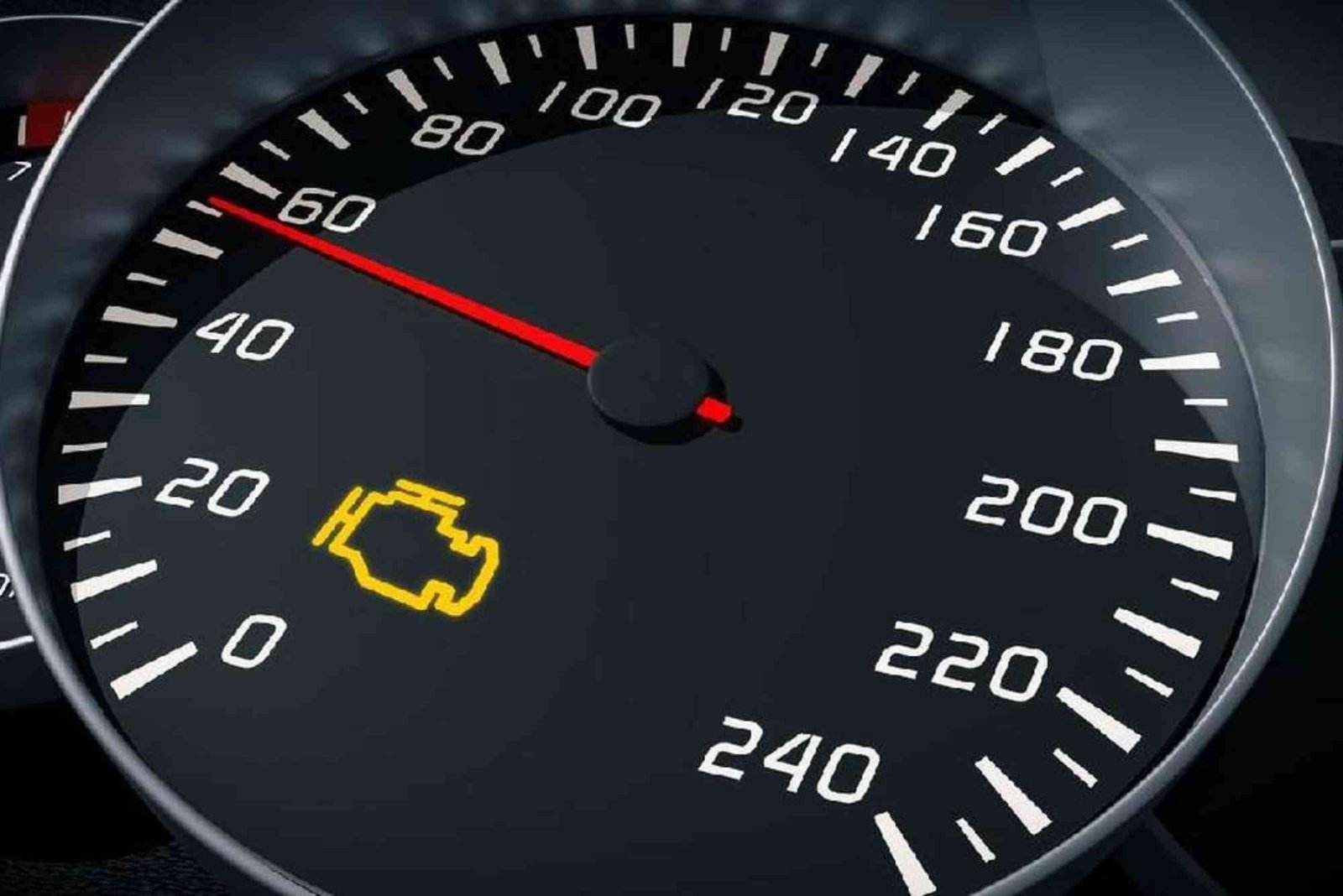
Seeing the check engine light on your dashboard can be alarming. Often, it triggers questions like: Is it serious? Can I keep driving? While this warning light is common in modern vehicles, its meaning isn’t always obvious. Understanding why the light appears and what steps to take can save you from costly repairs and keep your car running safely.
In this article, we’ll break down the check engine light meaning, its most common causes, and the first steps you should take when it illuminates.
What Does the Check Engine Light Mean?
The check engine light, sometimes called a malfunction indicator lamp (MIL), is part of your car’s onboard diagnostic system (OBD-II). Its purpose is to alert you when the engine control unit (ECU) detects a problem affecting emissions, performance, or safety.
Types of Check Engine Light Warnings
- Steady Light: Indicates a non-urgent issue that should be checked soon.
- Flashing Light: Signals a serious problem, often engine misfire, requiring immediate attention.
Knowing the difference can prevent further engine damage.
Common Causes of Check Engine Light On
Several issues can trigger the check engine light, ranging from minor to serious.
Loose or Faulty Gas Cap
A loose, cracked, or missing gas cap can disrupt fuel system pressure and trigger the light. It’s an easy fix: tighten or replace the cap.

Oxygen Sensor Malfunction
The oxygen sensor measures exhaust gases to optimize the fuel-air mixture. A failing sensor can reduce fuel efficiency and increase emissions.
Mass Airflow Sensor Issues
This sensor monitors the amount of air entering the engine. Problems here can cause rough idling, poor acceleration, and increased fuel consumption.
Spark Plug or Ignition Coil Problems
Worn spark plugs or failing ignition coils can trigger misfires, leading to engine performance issues and the check engine light turning on.
Catalytic Converter Failure
The catalytic converter reduces harmful emissions. Failure here can affect engine performance and increase pollution, often accompanied by a sulfur-like smell.
Exhaust Gas Recirculation (EGR) Valve Malfunction
The EGR valve controls emissions by recirculating exhaust gas. If stuck, it can trigger the check engine light and cause rough idling.
Other Electrical or Sensor Issues
Modern vehicles rely on multiple sensors; any malfunction can activate the light. Common culprits include camshaft or crankshaft position sensors, throttle body sensors, or transmission sensors.
First Steps When Check Engine Light Turns On
Knowing what to do immediately can prevent bigger problems.
Step 1 – Don’t Panic
A steady check engine light is often not an emergency. However, a flashing light needs prompt attention to prevent damage.
Step 2 – Check Simple Causes
Inspect obvious issues like a loose gas cap, low fluid levels, or visible damage to wiring. These fixes are quick and may turn off the light.
Step 3 – Monitor Vehicle Behavior
Pay attention to unusual symptoms: rough idling, stalling, reduced power, or strange noises. This helps diagnose the issue faster.
Step 4 – Use an OBD-II Scanner
An OBD-II scanner reads diagnostic trouble codes (DTCs) stored in the ECU. Many auto parts stores offer free scans, or you can use a personal scanner to identify the problem.
Step 5 – Seek Professional Help
If the cause isn’t obvious or the light is flashing, take your car to a certified mechanic promptly. Avoid prolonged driving with a serious engine issue.
Preventive Tips to Avoid Check Engine Light Issues
Regular Maintenance
Routine oil changes, air filter replacements, and spark plug inspections help prevent many engine issues.
Fuel Quality
Using high-quality fuel reduces the risk of sensor and catalytic converter problems.
Timely Repairs
Addressing minor issues early prevents them from escalating into costly repairs.
Monitor Dashboard Alerts
Don’t ignore other warning lights; combined alerts can indicate broader engine or transmission problems.
FAQs
Can I drive with the check engine light on?
Yes, if the light is steady and your car runs normally. If flashing, stop driving immediately.
How much does it cost to fix a check engine light issue?
Costs vary widely: loose gas cap ($10–$30) vs. catalytic converter replacement ($1,000+). Diagnosis determines the exact cost.
Will turning off the check engine light fix the problem?
No. Clearing the light doesn’t repair the underlying issue. The light will return if the problem persists.
How long can I drive with a check engine light on?
If the light is steady, limited driving is usually safe, but prolonged neglect can worsen the problem.
Can a bad battery trigger the check engine light?
Yes, low voltage or electrical issues may affect sensors and trigger the light.
A check engine light on your dashboard is a warning that your car needs attention. By understanding its meaning, identifying common causes, and following the right first steps, you can prevent costly repairs and ensure safe driving.
Don’t ignore your vehicle’s signals—act promptly. Schedule a professional inspection today if the issue isn’t obvious or the light is flashing. Protect your engine, save money, and drive with confidence!
Choosing the right tires is essential for both safety and performance. How to Choose Motorcycle Tires Suitable for Daily Use and Touring involves considering grip, durability, and comfort. Daily riders need tires with reliable traction in all weather, while touring bikes benefit from long-lasting, stable tires that handle extended rides smoothly.