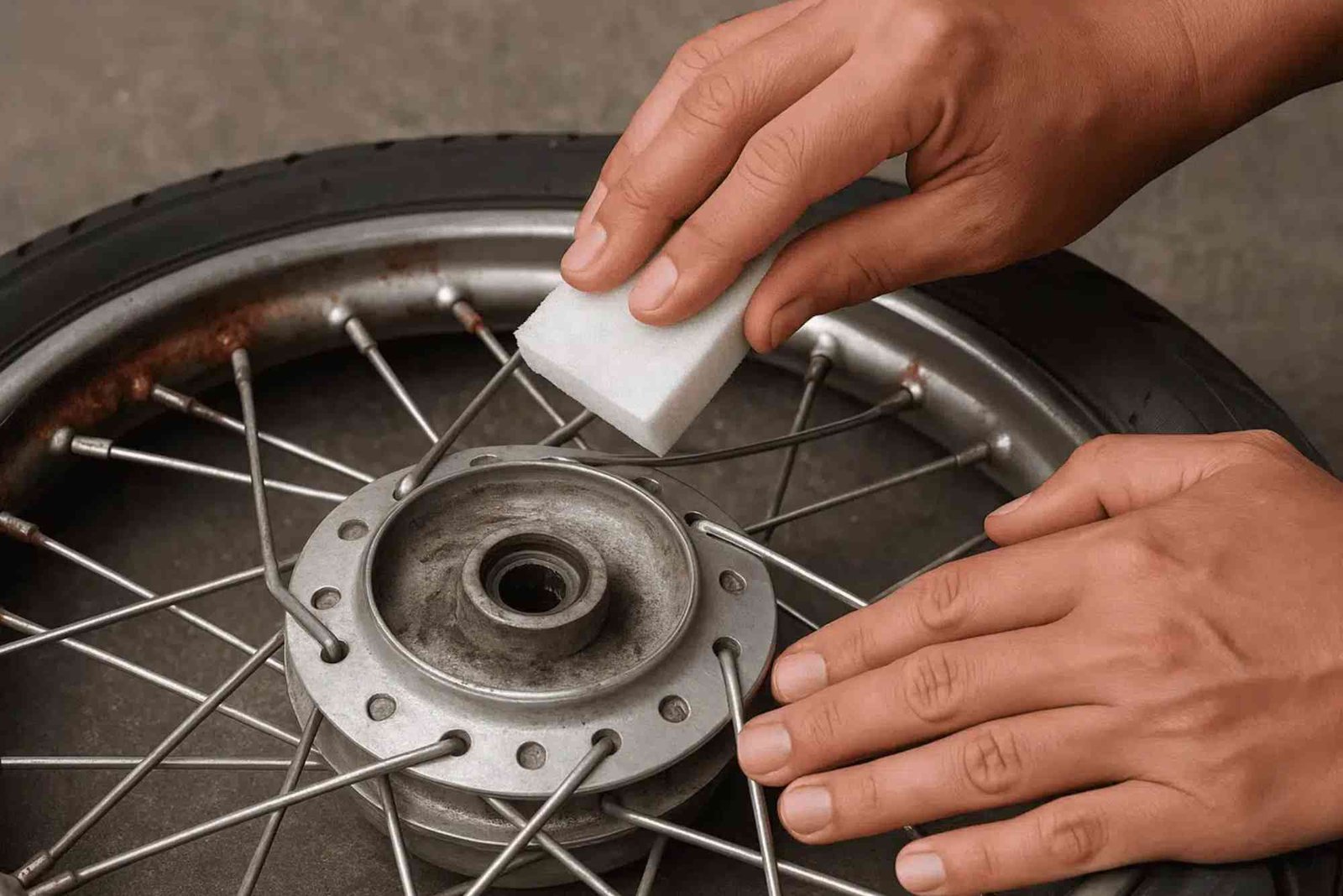
Introduction
Your vehicle’s wheels are more than just functional components—they are a major part of its appearance and performance. Over time, wheels can accumulate dirt, brake dust, and road grime, leading to corrosion, rust, or even structural damage if not properly cared for. Regular cleaning and preventative maintenance can extend the life of your wheels, keep them looking pristine, and improve overall vehicle safety. This article explores comprehensive wheel care tips, focusing on cleaning, protecting, and preventing rust or corrosion.
Understanding Wheel Corrosion and Rust
What Causes Rust and Corrosion?
Rust forms when iron or steel reacts with oxygen and moisture, producing iron oxide. While alloy wheels are less prone to rust, they can still suffer from corrosion due to exposure to road salt, chemicals, and moisture. Common causes include:
- Brake dust buildup: Tiny metal particles from brake pads settle on wheels, attracting moisture.
- Road salt and chemicals: Particularly in winter, salt accelerates corrosion on exposed metal surfaces.
- Moisture and humidity: Even minor scratches or chips in the protective coating can allow water to reach the metal beneath.
Signs Your Wheels Need Attention
Identifying early signs of rust or corrosion can prevent serious damage:
- Discoloration or staining around the rim or lug areas
- Flaking or bubbling of the wheel’s paint or finish
- Pitting or rough texture on alloy wheels
- Difficulty removing wheel nuts due to rust accumulation
How to Clean Your Wheels Effectively
Proper cleaning is the foundation of wheel maintenance. Follow these steps for optimal results.
Gather the Right Tools and Products
Before starting, ensure you have:
- Wheel cleaner suitable for your wheel type (alloy, chrome, steel)
- Soft-bristled wheel brush
- Microfiber cloths or towels
- Bucket of warm water and mild car shampoo
- Protective gloves
Using harsh chemicals or abrasive brushes can damage your wheels’ finish, so always choose products designed for automotive wheels.

Pre-Rinse Your Wheels
Begin by rinsing your wheels with water to remove loose dirt and debris. This prevents scratching the surface during cleaning.
Apply Wheel Cleaner
Spray the cleaner generously, ensuring it covers all surfaces, including the inner barrel and lug areas. Let it sit for 2–5 minutes, following the product instructions.
Scrub Gently
Use a soft-bristled brush to loosen dirt and brake dust. For hard-to-reach areas, a smaller detailing brush works best. Avoid wire brushes as they can scratch the wheel surface.
Rinse and Dry
Rinse thoroughly with water, removing all traces of cleaner. Dry with a microfiber cloth to prevent water spots.
Preventing Rust and Corrosion
Cleaning alone isn’t enough—prevention is key to long-term wheel care.
Apply a Protective Coating
- Wax or sealant: Applying a high-quality automotive wax or wheel sealant creates a barrier against moisture and brake dust.
- Ceramic coating: For premium protection, ceramic coatings offer long-lasting resistance to corrosion and make cleaning easier.
Regular Inspections
Inspect your wheels every few weeks for scratches, chips, or signs of rust. Early intervention can prevent minor issues from becoming major problems.
Address Scratches and Chips Immediately
If you notice any damage to your wheel’s finish, repair it with touch-up paint or professional refinishing. Exposed metal is highly susceptible to rust.
Avoid Harsh Conditions When Possible
- Rinse wheels after driving on salted roads
- Avoid leaving your vehicle parked in puddles or muddy areas for extended periods
- Store your vehicle in a dry, sheltered location whenever possible
Special Considerations for Different Wheel Types
Alloy Wheels
- More resistant to rust but can corrode over time
- Use pH-neutral cleaners to protect finishes
- Avoid acidic cleaners that can etch alloy surfaces
Chrome Wheels
- Susceptible to pitting and rust if damaged
- Always dry immediately after washing
- Use chrome-specific polish for added protection
Steel Wheels
- More prone to rust than alloys
- Keep paint intact and repair chips promptly
- Consider anti-rust sprays for extra protection
Advanced Tips for Longevity
- Routine detailing: Incorporate wheel cleaning into your car wash routine at least every two weeks.
- Brake dust shields: Installing shields can reduce the accumulation of corrosive brake dust.
- Professional maintenance: Periodic professional wheel cleaning and refinishing can prolong lifespan and appearance.
FAQs
How often should I clean my wheels?
For regular use, clean your wheels at least every two weeks. Areas with heavy brake dust or winter salt exposure may require weekly cleaning.
Can I use household cleaners on my wheels?
Avoid general household cleaners; they may contain harsh chemicals that damage finishes. Always use cleaners formulated for automotive wheels.
How do I remove minor rust from wheels?
Use a fine-grade steel wool or a rust remover designed for automotive metals, then repaint or seal the affected area to prevent recurrence.
Does waxing wheels really prevent corrosion?
Yes, waxing or sealing wheels creates a protective barrier that repels moisture, dirt, and brake dust, reducing the risk of rust.
Are ceramic coatings worth it for wheels?
Absolutely. Ceramic coatings provide long-lasting protection, reduce cleaning frequency, and enhance wheel appearance.
Proper wheel care is more than aesthetic—it’s a crucial step in maintaining your vehicle’s safety and value. By cleaning thoroughly, inspecting regularly, and applying protective coatings, you can prevent rust and corrosion while keeping your wheels looking their best. Start incorporating these wheel care tips into your routine today and enjoy cleaner, longer-lasting wheels.
Proper Car Washing Tips to Prevent Dull Paint – Keeping your car’s paint shiny starts with the right washing techniques. Use a soft sponge or microfiber cloth, mild car shampoo, and plenty of water. Wash in shaded areas, rinse thoroughly, and dry with a clean towel to avoid scratches and water spots. Regular care prevents dullness and preserves your car’s finish.