Introduction
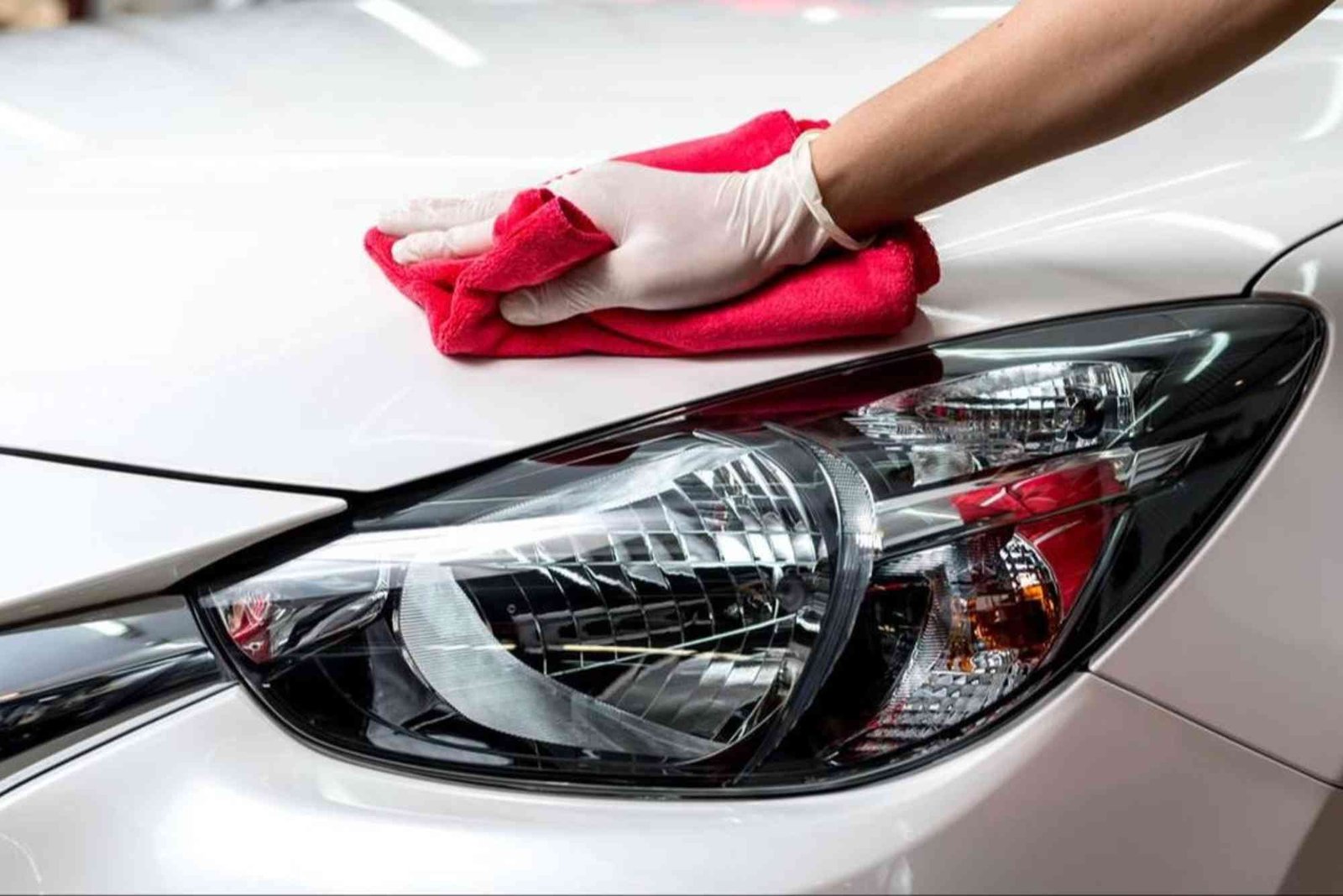
Maintaining a car’s glossy finish isn’t just about looks—it’s about protecting your investment. Over time, dirt, pollutants, and improper washing can leave your paint looking dull and lifeless. Following proper car washing tips is essential to preserve your vehicle’s shine, prevent scratches, and keep it looking showroom-ready. In this article, we’ll cover expert strategies to help your car retain its vibrant paint and professional finish.
Why Car Paint Becomes Dull
Environmental Factors
Exposure to sun, dust, rain, and pollution gradually breaks down the protective wax layer and oxidizes paint. Acid rain, bird droppings, and tree sap can also damage the surface if left untreated.
Improper Washing Techniques
Using harsh brushes, dirty cloths, or household detergents can scratch and dull the paint. Even frequent car washes with the wrong tools can harm the finish over time.
Age of the Vehicle
Older cars naturally experience paint oxidation and fading. Regular maintenance and correct washing can slow this process significantly.
Essential Car Washing Tips
Choosing the Right Washing Materials
Use Two-Bucket Method
One bucket should contain clean soapy water, and the other should hold fresh water for rinsing. This prevents dirt from being reintroduced to the paint surface.
Microfiber Towels and Wash Mitts
Avoid traditional sponges, which can trap debris and scratch the paint. High-quality microfiber towels and wash mitts provide a gentle touch while lifting dirt away effectively.

pH-Balanced Car Shampoo
Never use dish soap or household cleaners—they strip wax and damage paint. Invest in a car shampoo formulated to maintain your paint’s integrity.
Proper Washing Techniques
Rinse Before Washing
Rinse your vehicle thoroughly with water to remove loose dirt. This reduces the risk of scratching when you apply soap and scrub the surface.
Wash from Top to Bottom
Start at the roof and work downwards. The lower sections of the car hold more dirt, so washing top to bottom ensures grime doesn’t spread to cleaner areas.
Gentle Circular Motions
Avoid harsh scrubbing. Using gentle circular motions helps lift dirt without causing micro-scratches that dull paint over time.
Drying and Preventing Water Spots
Use a Clean Microfiber Towel
Pat dry or gently drag a microfiber towel over the surface. Avoid regular towels or air-drying, which can leave mineral deposits.
Dry in the Shade
Sunlight can cause water droplets to evaporate too quickly, leaving streaks and spots that harm the paint.
Consider a Leaf Blower
For high-end finishes, a leaf blower or compressed air can dry the car without touching the paint, reducing scratch risk further.
Protecting the Paint After Washing
Apply Wax or Sealant
Waxing every few months provides a protective layer that shields the paint from UV rays, acid rain, and pollutants.
Use Ceramic Coating
Ceramic coatings create a long-lasting, hydrophobic layer that resists dirt, chemicals, and minor scratches, keeping your paint vibrant for years.
Regular Maintenance
Even with proper washing, monthly touch-ups with spray wax or detailing sprays maintain gloss and provide additional protection.
Common Mistakes That Cause Dull Paint
Using Harsh Chemicals
Avoid household detergents or abrasive cleaners—they strip protective wax and accelerate paint oxidation.
Neglecting Regular Washes
Accumulated dirt, bird droppings, and road salt are highly corrosive. Frequent washing prevents long-term damage.
Improper Drying
Letting your car air-dry can lead to water spots and mineral stains that slowly dull paint. Always use a clean microfiber towel or air blower.
Advanced Tips for Enthusiasts
Clay Bar Treatment
Clay bars remove microscopic contaminants embedded in the paint. This step, done 1–2 times per year, restores smoothness and shine.
Polishing
Polishing eliminates minor scratches and swirls. Pair this with waxing for a mirror-like finish. Avoid over-polishing, which can thin paint over time.
Garage Storage
Whenever possible, park indoors or use a high-quality car cover. Sunlight and environmental pollutants accelerate paint fading.
FAQs
How often should I wash my car to prevent dull paint?
Ideally, wash your car every 1–2 weeks. Frequent washing prevents dirt buildup and minimizes scratches.
Can I use dish soap on my car?
No. Dish soap strips protective wax and accelerates paint fading. Use a pH-balanced car shampoo instead.
Does hand washing protect paint better than automated car washes?
Yes. Hand washing with proper techniques is gentler and reduces the risk of swirl marks and scratches.
How long does wax protection last?
Quality wax lasts 2–3 months, while sealants and ceramic coatings can last up to a year or more, depending on conditions.
What is the best drying method?
Use clean microfiber towels or a leaf blower. Dry in the shade to avoid water spots and streaks.
Maintaining a car’s glossy paint requires more than just occasional washing. By following these proper car washing tips, using the right materials, and protecting your finish with wax or coatings, you can prevent dull paint, scratches, and oxidation. Remember, consistent care is the key to keeping your vehicle looking brand-new, preserving both its aesthetic appeal and resale value.
How to Fix the Clunking Noise in a Car When Driving Over Speed Bumps – If your car makes a clunking noise over speed bumps, it’s often due to worn suspension components, loose bolts, or damaged bushings. Inspect the shocks, struts, and control arms, tighten any loose parts, and replace worn components to restore smooth, quiet driving.