Introduction
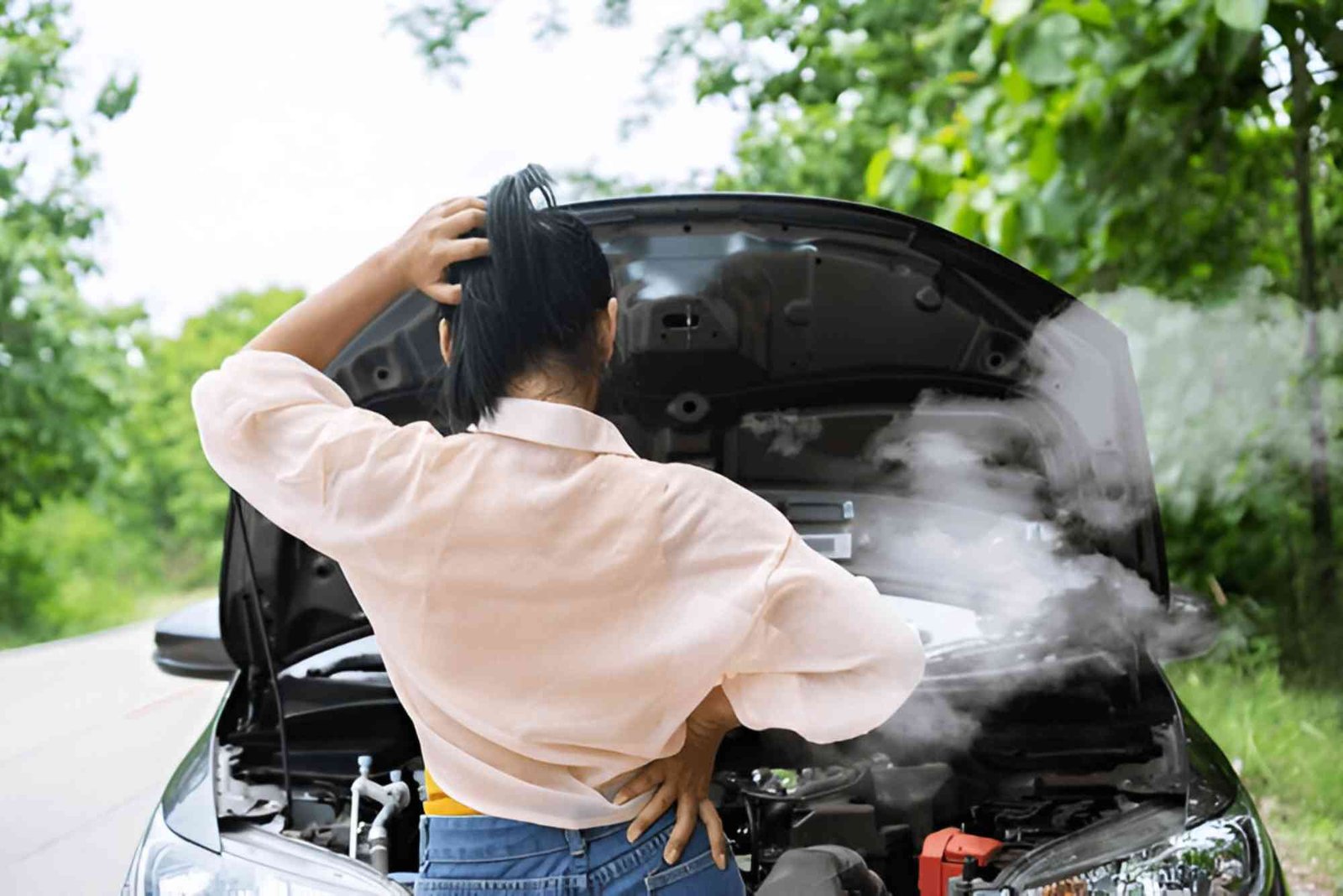
Motorcycle riders know the freedom of the open road—but being stuck in slow-moving traffic with a scorching engine is no rider’s idea of fun. How to deal with a motorcycle engine that heats up quickly in traffic isn’t just a technical question; it’s a comfort, performance, and safety concern for every rider.
In this expert guide, we’ll explore why engines heat up, how to prevent overheating in traffic jams, improvements you can make, and simple maintenance tips that help your bike run cooler and longer. Whether you ride daily in the city or weekend trails with steep climbs, these strategies will help you manage engine heat like a pro.
Understanding Why Motorcycle Engines Overheat
Before diving into solutions, you need to understand what causes engine heat to spike—especially in stop‑and‑go traffic.
What Happens in Traffic
When you’re cruising at highway speeds, air flows freely around your bike and through the radiator (on modern bikes), helping cool the engine. But in traffic:
- Airflow decreases significantly.
- The engine works harder with repeated acceleration and braking.
- Heat has fewer places to dissipate.
This combination raises engine temperatures quickly—sometimes into the danger zone.
Common Causes of Rapid Engine Heat in Traffic
Here are the most frequent reasons your motorcycle engine heats up in heavy traffic:

Poor Airflow Around the Engine
Even bikes with good cooling systems depend on air moving across engine fins or radiators. When traffic slows down, that cooling airflow drops drastically.
Low Coolant Levels (Liquid‑Cooled Bikes)
If your bike uses liquid cooling and the coolant is old, low, or leaking, the engine won’t be cooled effectively.
Dirty or Blocked Radiator
Dust, bugs, and debris can block airflow through the radiator or oil cooler, reducing cooling efficiency.
Incorrect Idle Speed
If your engine idles too high or too low, it can affect how the cooling system functions, stressing the bike in traffic.
Worn or Faulty Cooling Fan
If your bike has an electric cooling fan and it doesn’t turn on or runs slowly, heat will build up fast when you aren’t moving.
Thick or Old Engine Oil
Oil lubricates AND helps cool your engine. Old or improper oil increases friction and internal heat.
How to Deal with a Motorcycle Engine That Heats Up Quickly in Traffic
Now that we know why your engine gets hot in traffic, let’s look at real solutions you can apply today.
Riding Techniques to Reduce Heat
Changing how you ride in traffic can make a noticeable difference.
Use Higher Gears When Possible
Riding in too low a gear increases engine RPMs, which generates more heat. Shift to a higher gear when traffic allows—even if speed is slow—to reduce engine load.
Avoid Frequent Throttle Blips
Rapid throttle changes make the engine work harder and heat up faster. Smooth acceleration and braking reduce strain and engine temperature.
Keep Moving a Bit
If it’s safe and legal, inch forward slightly from time to time so fresh air reaches the engine. Just don’t weave dangerously or block intersections.
Maintenance and Tune‑Up Tips
A well‑maintained bike runs cooler and more efficiently.
Check and Change Coolant Regularly
For liquid‑cooled models, check the coolant level and quality. Old coolant can lose effectiveness, so follow your owner manual on the service schedule.
Clean the Radiator and Air Ducts
Dust and road grime can block airflow through your radiator. Use low‑pressure water or compressed air (from the inside out) to clean fins gently.
Check the Cooling Fan Operation
Turn your bike on and let it idle to see if the cooling fan kicks in at the right temperature. If not, inspect:
- Fan motor
- Fan relay
- Wiring connections
A malfunctioning fan is a common overheating cause.
Replace Engine Oil With the Right Grade
Using oil that’s too thick can keep heat inside the engine. Make sure you’re using the manufacturer’s recommended viscosity and change oil at regular intervals.
Inspect Hoses and Thermostat
Old hoses or a stuck thermostat can reduce coolant flow. Replace cracked hoses, and if the thermostat won’t open at the right temperature, it needs replacing.
Upgrades and Modifications That Help
If you regularly ride in heavy traffic or hot climates, some performance upgrades pay off.
Larger or High‑Flow Radiators
A bigger radiator with more surface area dissipates heat better. Just make sure it fits your bike and is compatible with the cooling system.
Electric Fans With Adjustable Temps
Aftermarket cooling fans can be set to kick in at lower temperatures, helping keep your engine cooler before things get critical.
Oil Coolers
Adding an oil cooler increases heat rejection from engine oil, helping lower internal engine temps in slow traffic or long hill climbs.
Heat‑Shielding and Fairing Adjustments
Panels or shields that redirect airflow toward the engine and away from hot spots can help cooling efficiency.
Smart Riding Habits in Hot Weather
Riding in hot climates multiplies the overheating challenge.
Ride During Cooler Times of Day
Avoid peak midday heat when possible.
Hydrate and Take Frequent Breaks
Your bike isn’t the only thing heating up—you need to stay alert and cool.
Monitor Engine Temps More Closely
If your bike has a digital gauge, check it when you slow down. If it rises above normal, pull over in a shaded area and let the engine cool before continuing.
Safety Systems and Sensors to Watch
Modern motorcycles often have built‑in systems to warn you before overheating becomes damaging.
Engine Temperature Gauges
Check your gauge regularly. If it’s creeping toward the red zone, reduce load or shut off the engine in a safe place.
Warning Lights
Don’t ignore warning lights. They often trigger before permanent engine damage starts.
Overheat Protection Cut‑Offs
Some bikes will automatically reduce power or shut down to protect the engine. Understanding how your bike behaves helps you diagnose the root cause faster.
What to Do When Your Engine Starts Overheating
Even with precautions, engines can still get too hot. Here’s what to do:
Pull Over Safely
Find a spot off the road, turn off the engine, and let it cool naturally. Never pour cold water on a hot engine—thermal shock can warp metal parts, crack heads, or damage gaskets.
Check Coolant Levels
Once cool, check your radiator and overflow reservoir. If low, top up with the correct mix of coolant and water. If coolant is missing, look for leaks.
Inspect for Visible Problems
Check hoses, radiators, fans, and oil level. If you see leaks, bulging hoses, or no fan operation, don’t ride until fixed.
Call for Assistance if Needed
If overheating continues despite basic checks, have your bike towed to a trusted mechanic for diagnosis.
Understanding how to deal with a motorcycle engine that heats up quickly in traffic can save your engine, enhance performance, and improve riding comfort. By combining smart riding habits, regular maintenance, cooling system upgrades, and awareness of warning signs, you’ll keep your motorcycle running cooler—even in slow traffic and hot weather.
Riding should be enjoyable—not stressful because of high engine temps. Start with basic maintenance and adjust your traffic techniques. If you’re still struggling, don’t hesitate to consult an experienced motorcycle mechanic.
FAQs
Why does my motorcycle engine overheat in traffic but not on the highway?
Motorcycles rely on airflow for cooling. Highway speeds deliver more air to the engine and radiator, which helps heat dissipate. In slow traffic, the lack of airflow and frequent acceleration raises engine temperature. Also, cooling fans may not be enough if they’re worn or the cooling system is compromised.
How hot is too hot for a motorcycle engine?
Most motorcycles have an optimal operating temperature indicated on the gauge. If the temperature needle moves into the red zone or an overheat warning appears, it’s too hot. Continued operation at these temperatures can damage internal engine parts.
Can I ride my motorcycle if it overheats once?
A single mild overheating event isn’t usually catastrophic if the engine is allowed to cool before riding again. However, frequent overheating indicates a deeper issue—like coolant loss, blocked airflow, worn fans, or poor oil quality—that needs diagnosing and fixing to prevent long‑term damage.
How often should I change my coolant?
The recommended coolant change interval varies by motorcycle make and model, but a general guideline is every 2 years or according to your owner’s manual. Fresh coolant maintains proper heat transfer and prevents corrosion within the cooling system.
Does engine oil help cool the motorcycle engine?
Yes—engine oil reduces friction, carries heat away from internal components, and helps maintain smooth operation. Using the correct oil grade and changing it on schedule are key to preventing excess engine heat.
How to Check the Condition of a Car Engine Before Buying a Used Car – Before purchasing a used car, it’s crucial to inspect the engine carefully. Check for oil leaks, unusual noises, and worn belts. Look at the coolant and oil levels, and test drive to notice performance issues. A professional inspection can help avoid costly surprises later.