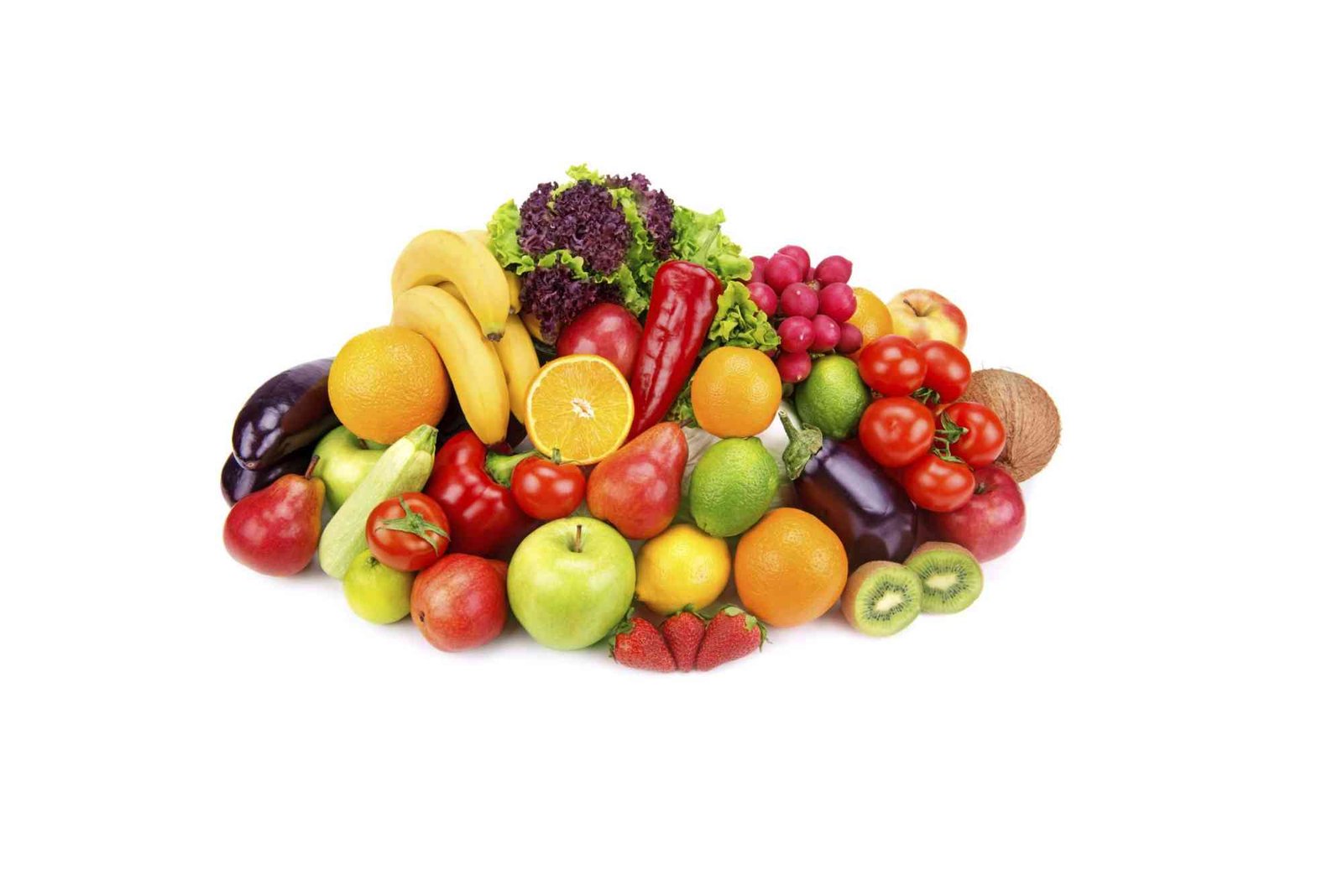
Choosing the right produce can transform your meals and your health. If you have ever wondered how to choose fresh and nutritious vegetables, you are not alone. Many shoppers struggle to tell the difference between truly fresh produce and vegetables that only look good on the surface. The good news is that with a few practical tips, you can confidently select vegetables that are rich in nutrients, full of flavor, and worth your money. In this guide, you will learn how to choose fresh and nutritious vegetables using simple, expert-backed methods that work whether you shop at a supermarket or a local market.
Why It Matters to Choose Fresh and Nutritious Vegetables
Fresh vegetables are more than just colorful additions to your plate. They are essential sources of vitamins, minerals, fiber, and antioxidants. However, vegetables begin to lose nutrients after harvest. Therefore, knowing how to choose fresh and nutritious vegetables helps you maximize both taste and health benefits.
When vegetables are fresh, they contain higher levels of vitamin C, folate, and other sensitive nutrients. Moreover, fresh produce has better texture and flavor, making healthy eating more enjoyable. As a result, you are more likely to maintain a balanced diet over time. In addition, fresh vegetables usually last longer in your refrigerator. This reduces food waste and saves money. For families trying to stretch a grocery budget, learning how to choose fresh and nutritious vegetables is a practical skill.
Visual Clues: What Fresh Vegetables Look Like
One of the first steps in understanding how to choose fresh and nutritious vegetables is learning to rely on your eyes. Visual inspection is often the quickest and most reliable method.
Check for Vibrant Color
Fresh vegetables have bright, natural colors. For example, spinach should be deep green, not yellowish. Carrots should appear rich orange, not pale. Color fading often indicates age or nutrient loss.
Look for Firm Texture
Gently press the vegetable. It should feel firm and crisp. Soft spots, wrinkles, or shriveled skin suggest dehydration or spoilage. For instance, cucumbers should feel solid, not rubbery.

Avoid Bruises and Dark Spots
Small blemishes are common, especially in organic produce. However, large bruises, mold, or dark patches often signal internal damage. Damaged areas can spread quickly, reducing shelf life.
By focusing on these visual clues, you improve your ability to choose fresh and nutritious vegetables consistently.
Touch and Smell: Hidden Indicators of Freshness
While appearance is important, touch and smell provide additional confirmation. These senses often reveal what the eyes cannot see.
Feel the Weight
Fresh vegetables usually feel heavy for their size. This indicates high water content and good hydration. For example, a fresh tomato feels heavier than a dry, older one.
Notice the Aroma
Some vegetables, such as herbs and leafy greens, have a mild, fresh scent. A sour or musty smell suggests spoilage. Trust your nose. It is a powerful tool when learning how to choose fresh and nutritious vegetables.
Check the Leaves and Stems
Leafy tops should look fresh and green. If the leaves are wilted or slimy, the vegetable is past its prime. For root vegetables, firm and intact stems often signal freshness.
Using touch and smell together ensures a more accurate assessment before purchase.
Seasonal Shopping for Better Nutrition
Seasonal vegetables are often fresher and more nutritious. They are harvested at peak ripeness and usually travel shorter distances.
When vegetables are in season, they taste better and cost less. For example, tomatoes in summer are sweeter and richer in antioxidants. In contrast, out-of-season produce may be picked early and stored for long periods.
Learning what grows locally in each season helps you choose fresh and nutritious vegetables naturally. It also supports local farmers and reduces environmental impact. If possible, visit farmers’ markets. You can ask vendors about harvest dates and farming practices. This direct communication builds trust and improves your shopping decisions.
Organic vs Conventional: What Should You Choose?
Many shoppers wonder whether organic vegetables are more nutritious. The answer is not always simple. However, freshness often matters more than production method.
Organic vegetables are grown without synthetic pesticides. This can reduce chemical exposure. However, conventional vegetables can still be highly nutritious if fresh.
Instead of focusing only on labels, prioritize how to choose fresh and nutritious vegetables using the tips in this guide. Wash all produce thoroughly before use. This practice reduces residues and bacteria. If your budget allows, consider buying organic versions of vegetables known to carry more pesticide residues. However, never avoid vegetables entirely because of cost. Eating more vegetables in any form is better than eating fewer.
Specific Tips for Common Vegetables
To truly master how to choose fresh and nutritious vegetables, it helps to know what to look for in specific types.
Leafy Greens
Choose crisp leaves with no yellowing. Avoid slimy or wet packaging. Store them in the refrigerator and use within a few days for maximum nutrition.
Root Vegetables
Select firm roots without cracks. Smaller carrots and beets are often sweeter and more tender. Avoid sprouting onions and potatoes.
Cruciferous Vegetables
For broccoli and cauliflower, look for tight, compact florets. Yellowing indicates age. The stems should feel firm and not woody.
Tomatoes and Peppers
Tomatoes should have smooth skin and a slight give when pressed. Peppers should be shiny and firm, without wrinkles.
These targeted tips make it easier to choose fresh and nutritious vegetables across different categories.
Storage Tips to Preserve Nutrients
Choosing fresh produce is only half the battle. Proper storage maintains freshness and nutrition.
Keep leafy greens in breathable bags. Store root vegetables in a cool, dark place. Avoid washing produce before storing, as moisture can speed spoilage.
Use older vegetables first to prevent waste. Plan meals around what you already have. This approach ensures you enjoy vegetables at their nutritional peak. Freezing is also a smart option. If you cannot use vegetables in time, blanch and freeze them. This helps preserve vitamins and reduces waste.
Common Mistakes to Avoid
Even experienced shoppers make mistakes. Recognizing them helps you consistently choose fresh and nutritious vegetables. Do not rely solely on appearance. Some vegetables look perfect but lack flavor. Combine sight, touch, and smell for better results.
Avoid buying in bulk without a plan. Fresh vegetables have limited shelf life. Overbuying often leads to waste. Finally, do not ignore storage conditions at the store. If produce is displayed in warm or poorly ventilated areas, freshness may decline quickly.
Make Every Grocery Trip Smarter
Learning how to choose fresh and nutritious vegetables is a powerful step toward better health. By paying attention to color, texture, smell, and seasonality, you can confidently select produce that nourishes your body and delights your taste buds.
Moreover, smart storage and thoughtful planning help you preserve nutrients and reduce waste. Over time, these small habits create big health benefits.
Choosing the right cooking oil is essential for a healthy diet. Learn how to select oils that preserve nutrients and enhance flavor. From understanding smoke points to checking for quality and health benefits, this guide helps you make informed choices. Explore our tips on how to choose healthy cooking oil products for everyday use.
FAQs
How can you tell if vegetables are fresh?
Fresh vegetables have vibrant color, firm texture, and no foul odor. They should feel heavy for their size and free from major bruises or mold.
Are frozen vegetables as nutritious as fresh?
Frozen vegetables can be very nutritious. They are often frozen soon after harvest, which preserves nutrients. However, fresh vegetables are ideal when truly fresh.
How long do fresh vegetables last in the fridge?
Leafy greens usually last three to five days. Root vegetables can last one to two weeks. Proper storage extends shelf life.
Does washing vegetables remove nutrients?
Washing removes dirt and bacteria but does not significantly reduce nutrients. However, prolonged soaking may cause minor vitamin loss.
Is it better to buy local vegetables?
Local vegetables are often fresher because they travel shorter distances. Therefore, they may retain more nutrients and flavor.