Introduction
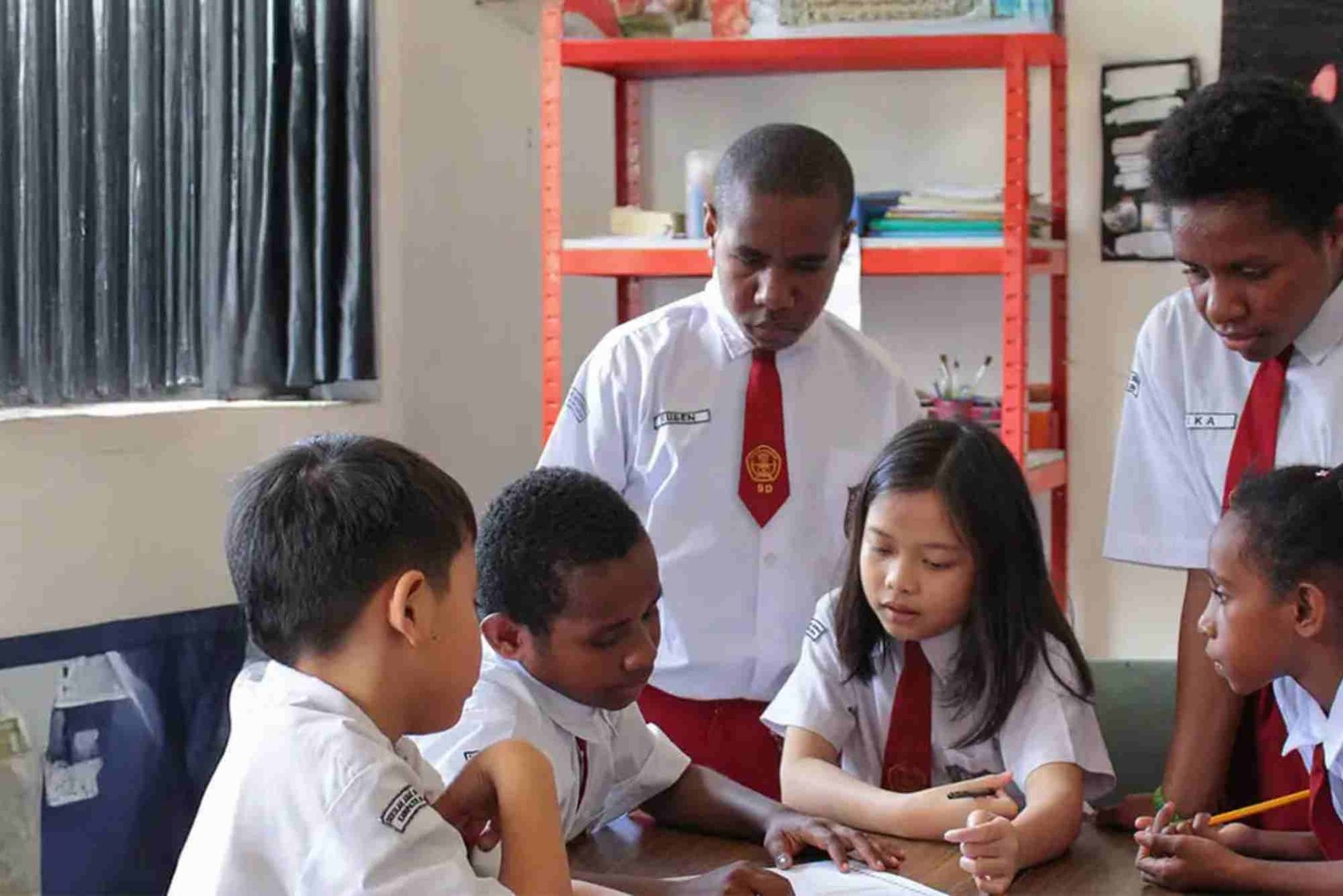
Education is the cornerstone of a thriving society. However, not all children and adults have the same opportunity to learn due to social, economic, or geographic barriers. Governments worldwide have recognized this gap and have introduced programs aimed at ensuring equal access to education. These initiatives not only focus on providing schools and teachers but also address systemic inequalities, financial constraints, and social barriers that prevent many from receiving a quality education.
This article explores the various government programs designed to promote equal educational opportunities, their impact, challenges, and how they continue to shape the future of learning.
Understanding the Need for Equal Access to Education
Education is a fundamental human right, yet disparities in access persist. According to UNESCO, millions of children worldwide still miss out on basic education due to poverty, disability, or regional instability. Government programs aim to bridge these gaps and ensure that every child, regardless of background, has the chance to learn and grow.
Economic Barriers
Families in low-income communities often struggle to afford school fees, uniforms, books, and transportation. Government programs, such as scholarships, stipends, and free schooling initiatives, directly address these financial hurdles.
Geographic Challenges
Children in remote or rural areas often lack nearby schools. Mobile schools, distance learning programs, and subsidized transportation are government strategies to ensure these students receive consistent education.
Social and Cultural Factors
Gender discrimination, language barriers, and cultural expectations can prevent children from attending school. Policies promoting inclusive curricula, female education initiatives, and bilingual education programs help overcome these social barriers.

Key Government Programs for Equal Access to Education
Governments implement a variety of programs tailored to meet the diverse needs of their populations. Below are some of the most significant approaches.
Universal Primary Education Programs
These programs focus on guaranteeing that every child completes primary education. By providing free textbooks, meals, and tuition, governments remove basic barriers to attendance. Examples include initiatives like India’s Sarva Shiksha Abhiyan and similar schemes in African nations.
Scholarship and Financial Aid Initiatives
Scholarships, grants, and conditional cash transfers provide financial support to students from disadvantaged backgrounds. Programs like the United States’ Pell Grants and Brazil’s Bolsa Família incentivize education and reduce dropout rates.
Inclusive Education for Children with Disabilities
Governments are increasingly implementing inclusive education programs to ensure children with disabilities receive equal learning opportunities. This includes teacher training, accessible classrooms, assistive technologies, and individualized education plans.
Digital Learning and Remote Education
Technology-driven programs have become critical, especially during global crises like the COVID-19 pandemic. Governments are investing in e-learning platforms, tablets, and online curricula to reach students in underserved areas, ensuring continuity of education.
Gender-Focused Initiatives
Programs targeting gender equality, such as scholarships for girls, safe transport to schools, and awareness campaigns, address the systemic barriers that prevent girls from completing their education. Countries like Afghanistan and Kenya have seen improvements in female enrollment due to such targeted programs.
Benefits of Government Programs for Equal Access
Socioeconomic Development
Educated citizens are more likely to participate in the workforce, contribute to economic growth, and break cycles of poverty. Equal access programs ensure that everyone can contribute to national development.
Reduction of Inequality
By providing education to marginalized communities, governments promote social mobility and reduce long-standing inequalities.
Improved Public Health and Civic Engagement
Education is linked to better health outcomes and increased civic participation. Programs that reach all students contribute to healthier, more informed societies.
Long-Term National Benefits
Countries with strong education access programs often see long-term gains in innovation, productivity, and global competitiveness.
Challenges in Implementing Equal Access Programs
Despite progress, governments face several hurdles in ensuring true educational equity.
Limited Funding
Many programs are constrained by budgetary limitations, which affect the quality of infrastructure, teacher training, and learning materials.
Teacher Shortages
Even when schools are available, a lack of qualified teachers, especially in rural areas, can hinder program effectiveness.
Cultural Resistance
In some regions, societal norms and resistance to change slow down the adoption of inclusive education initiatives.
Monitoring and Evaluation
Ensuring that programs reach their target populations and produce measurable results requires robust monitoring systems, which are often underdeveloped.
How Communities Can Support Government Programs
Government programs are most effective when communities actively participate. Local engagement, parental involvement, and community-based monitoring help strengthen the impact of educational initiatives. Programs that collaborate with NGOs, local leaders, and private organizations often achieve better outcomes.
Equal access to education is more than a policy goal—it is a societal imperative. Government programs play a crucial role in bridging gaps, empowering individuals, and fostering inclusive growth. While challenges remain, progress is evident, and continued investment in equitable education is essential for a prosperous future.
FAQs
What is a government program for equal access to education?
It is an initiative by governments to ensure that all individuals, regardless of socioeconomic, geographic, or social barriers, have the opportunity to access quality education.
How do government programs help low-income families?
Programs may provide free tuition, scholarships, school meals, and transportation subsidies to reduce the financial burden of education.
Are these programs effective in rural areas?
Yes, when combined with mobile schools, digital learning, and local community support, government programs can significantly increase educational access in remote regions.
How do governments promote gender equality in education?
Through targeted scholarships for girls, campaigns for female enrollment, safe transport options, and inclusive curricula that challenge gender biases.
Can technology improve access to education?
Absolutely. E-learning platforms, online classes, and digital resources allow students in underserved areas to continue learning even when physical schools are inaccessible.
This comprehensive approach ensures that governments are not only providing education but actively dismantling the barriers that prevent equal learning opportunities.
The Government Program for Social Protection aims to ensure the well-being of citizens by providing financial aid, healthcare access, and social services. These programs support vulnerable groups, reduce poverty, and promote equality, helping communities thrive and build a stronger, more secure society for everyone.